How to Grow Coffee Beans from Seeds at Home
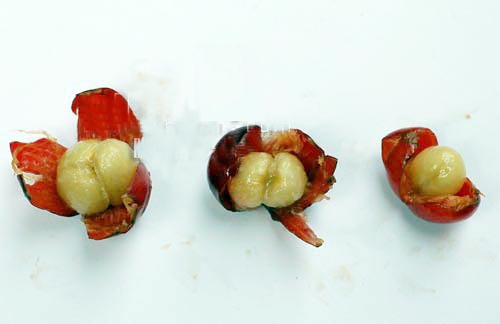
If you’ve ever wondered whether you can grow your own coffee plant from the beans you buy, the answer is yes—but not with just any coffee bean. Most store-bought beans are roasted, and even raw green beans won’t sprout unless they’re freshly harvested and properly prepared. To grow coffee successfully, you need to start with viable seeds taken from fresh coffee cherries, just like you’d plant a peanut rather than the whole pod. Here’s how it works, and what you need to know to give it a try.
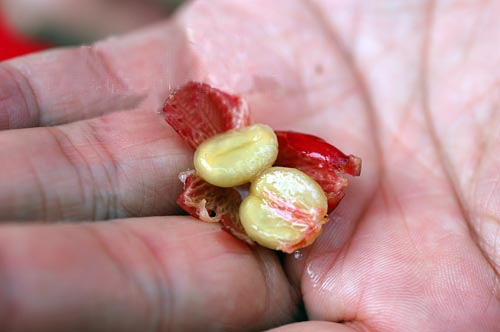
To grow coffee from seed, begin with ripe coffee cherries—not roasted or green beans. Remove the outer fruit, dry the seeds until they rattle inside the husk (like dried peanuts), then peel and plant the inner seed. Coffee trees require tropical or subtropical climates, thriving between 23°S and 25°N latitude—places like Indonesia’s Bali, or within China, only Yunnan, Hainan, and Taiwan offer suitable conditions.
Starting Coffee Seeds Indoors
You can start coffee plants indoors under the right conditions. Choose a bright spot—near a window with indirect sunlight or under fluorescent office lighting works well. Plant the seed in well-draining soil, and keep it moist but not soggy. Germination can take several weeks, so patience is key.
How to Care for a Coffee Plant
Once sprouted, coffee plants need consistent care:
- Light: Bright, indirect light. Avoid direct sun that can scorch leaves.
- Watering: Water thoroughly until it drains from the bottom, then let the soil dry slightly before the next watering. Ensure the saucer under the pot stays dry to prevent root rot. Water roughly once per week.
- Fertilizer: Use a balanced liquid fertilizer formulated for indoor plants, applied according to package directions.
- Temperature: Keep the plant between 16°C and 23°C (61°F to 74°F). It can tolerate down to 12°C (55°F) or up to 27°C (80°F), but frost will kill it. Extra water helps during heat spells.
Growing Coffee in Bali: The Kintamani Region
On the Indonesian island of Bali, coffee thrives in the volcanic highlands of Kintamani, located at around 1,400 metres above sea level. The region’s coffee is traditionally processed using the natural (sun-dried) method, giving it distinctive sweetness and fruitiness. The main harvest runs from June to September.
The coffee varieties grown here include USDA, Karka, and S-795. These beans are processed at local washing stations such as the Ubud processing facility. The resulting cup often features tasting notes of ripe peach, pineapple, and black sugar—a far cry from the low-grade commercial beans that have long dominated the local market.
Rodney and his partners are working to change that perception. They opened Bali’s only specialty coffee shop in central Ubud, sourcing high-quality beans from nearby regions including Java, Sulawesi, New Guinea, and Flores. Their shop, staffed by Q Grader-certified baristas—the only ones on the island with this qualification—roasts its own coffee using 1kg and 4kg roasters. The team focuses on showcasing the potential of Balinese and regional Indonesian coffees, elevating them beyond their former reputation as cheap commodities.
Frequently Asked Questions
Can I grow coffee from the beans I buy at the store?
Most store-bought coffee beans are roasted, which makes them non-viable for planting. To grow coffee, you need untreated, raw green coffee beans from freshly harvested cherries. Even then, the beans must be properly dried and prepped—similar to shelling and planting a peanut kernel rather than the whole shell.
What climate is best for growing coffee plants?
Coffee plants thrive in tropical or subtropical climates, specifically between 23° south and 25° north latitude. Ideal temperatures range from 16°C to 23°C (61°F to 74°F), though the plant can tolerate a wider range (12°C to 27°C). Frost is deadly to coffee plants, so they must be protected from freezing temperatures.
How do I prepare coffee seeds for planting?
To plant coffee seeds, start with fresh coffee cherries. Remove the outer fruit, then dry the seeds until they rattle inside their husks—similar to dried peanuts. Once dry, peel off the outer layer to reveal the inner coffee seed, which is what you actually plant. This mimics how you'd shell a peanut before planting.
Where is the Kintamani coffee region?
Kintamani is a highland volcanic area on the Indonesian island of Bali, situated at around 1,400 metres above sea level. It is known for producing coffee using the natural (sun-dried) processing method, with main harvests occurring between June and September. The region’s coffee is distinct for its fruity and sweet flavour profile.
What coffee varieties are grown in Kintamani?
The Kintamani region grows several coffee varieties, including USDA, Karka, and S-795. These are processed using the natural method at local facilities like the Ubud processing plant, and are known for delivering notes of ripe peach, pineapple, and black sugar in the cup.
Recommended FrontStreet Beans from Indonesia
Explore Indonesia’s coffee diversity with FrontStreet Coffee’s PWN Golden Mandheling, a meticulously handpicked and sorted single origin from North Sumatra. It offers rich flavours of toast, cedar, caramel, and cocoa, with a thick, lingering finish. For something brighter yet complex, try Lintong Mandheling from the Lake Toba region, showcasing spice, dark chocolate, and caramel notes typical of high-altitude Sumatran beans. Both beans highlight Indonesia’s signature processing and terroir, offering a true taste of the archipelago’s coffee heritage. Freshly roasted within 5 days · Orders placed before 17:00 ship the same day · Next-day delivery across most of Guangdong Province.
FrontStreet Coffee is a long-established specialty coffee roaster in Guangzhou China, selling freshly roasted beans from its own farm in Yunnan as well as dozens of carefully selected single-origin beans from around the world for both pour-over and espresso. The products deliver consistently excellent quality and great value, with shipping within 24 hours. Guangzhou's FrontStreet Coffee shop is recommended by many coffee lovers, and the beans are now available online at the Tmall 。
Important Notice :
前街咖啡 FrontStreet Coffee has moved to new addredd:
FrontStreet Coffee Address: 315,Donghua East Road,GuangZhou
Tel:020 38364473