How to Grow Coffee from Seeds Like Bali’s Kintamani Farmers
Ever wondered why your coffee beans don’t sprout when you toss them in soil? That’s because you can’t plant coffee straight from the fruit—you have to start with the seed inside, just like planting a peanut and not the shell. The same rule applies to coffee: those cherries you see on trees aren’t ready to grow a tree. They need processing first.
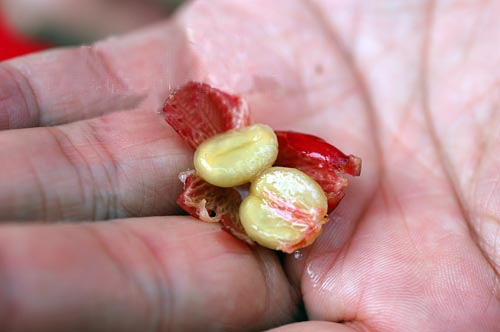
To grow coffee from seed, you must remove the fruit, dry the beans until they rattle inside the cherry—just like dried peanuts—and then plant the inner seed. That’s the only way a new coffee tree will sprout.
What You Need to Know About Coffee Seeds
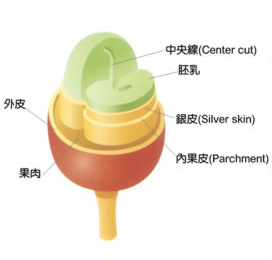
Coffee doesn’t grow from the fruit you drink—it grows from the seed inside. If you have whole coffee cherries (the fruit), you must dry them until they’re hard and you can hear the seed rattle inside. Then you peel the outer fruit layer and plant the actual seed. These seeds, once dried properly, are what you use to grow a new coffee tree.
This is just like shelling a peanut: you wouldn’t plant the whole pod, you’d plant the nut inside. The same goes for coffee cherries. Only the cleaned seed is viable for germination.
Where Coffee Can Be Grown
Coffee trees only thrive in tropical and subtropical regions near the equator, specifically between 23°N and 25°S latitude. In China, that means only parts of Taiwan, Hainan, and Yunnan have the right climate. For coffee to grow outdoors year-round, consistent warm temperatures and proper elevation are essential.
How to Grow Coffee Indoors
You can also start coffee plants indoors. Here’s how:
- Lighting: Place the plant in a bright spot, such as near a window with indirect sunlight or under fluorescent office lighting. Direct sun is okay but not required.
- Watering: Water thoroughly until water drains from the bottom of the pot. Repeat until the roots are fully moist. Do this about once per week. Let the pot drain completely and keep the saucer under the pot dry to avoid root rot.
- Fertilizer: Use a standard liquid fertilizer for indoor plants, applied as directed.
- Temperature:Coffee plants prefer temperatures between 16°C and 23°C (61°F to 74°F). They can tolerate a wider range (12°C to 27°C or 55°F to 80°F) but will not flower well outside their ideal zone. Keep them away from cold drafts and protect from frost.
With proper care, indoor coffee plants can grow several feet tall, flower, and even produce fruit. Use well-draining soil, such as a camellia mix, often found at garden centres.
Spotlight: Kintamani Coffee from Bali, Indonesia
In Bali’s highland Kintamani region, coffee is grown at around 1,400 metres above sea level. The primary processing method here is natural , and key coffee varieties include USDA, Karka, and S-795. These beans are processed at local washing stations, including one in Ubud, and are harvested between June and September.
Kintamani coffee has historically been undervalued, often treated as a low-grade commodity. But that’s changing. Local roasters and baristas—including Rodney and his partners, all certified Q-graders—are working to redefine Bali’s coffee reputation. They’ve opened Ubud’s only specialty coffee shop, serving coffees sourced from nearby high-quality regions like Java, Sulawesi, New Guinea, and Flores. Their roastery includes both 1kg and 4kg roasters, and they focus exclusively on regional single-origin beans.
The resulting Kintamani naturals offer flavours of ripe peach, pineapple, and black sugar—a far cry from the cheap commercial beans the area once produced.
Frequently Asked Questions
Can I plant coffee beans directly from the fruit I buy at the store?
No. Store-bought coffee beans are roasted and no longer viable for planting. To grow coffee, you need unroasted, green coffee seeds removed from fresh coffee cherries and dried until they rattle—just like shelling peanuts. Only these untreated seeds can germinate.
What is the ideal climate for growing coffee outdoors?
Coffee grows best in tropical or subtropical climates between 23°N and 25°S latitude, with steady temperatures between 16°C and 23°C (61°F to 74°F). It can tolerate a wider range (12°C to 27°C or 55°F to 80°F) but won’t flower optimally outside the ideal zone.
How do I start coffee seeds indoors?
Start with dried coffee seeds (not roasted), plant them in well-draining soil, and place the pot in bright, indirect light. Water once per week until water drains from the bottom, and avoid letting the plant sit in water. Maintain temperatures between 16°C and 23°C (61°F to 74°F).
Where is Kintamani coffee from and how is it processed?
Kintamani coffee comes from the volcanic highlands of Bali, Indonesia, at around 1,400 metres elevation. It is typically processed using the natural method and harvested between June and September. Varieties include USDA, Karka, and S-795, and it’s processed at local facilities such as the one in Ubud.
What flavours are typical in Kintamani natural process coffee?
Kintamani naturals often exhibit tasting notes of ripe peach, pineapple, and black sugar. This is a significant shift from the low-quality commercial profiles the region was once known for.
Recommended FrontStreet Beans from Volcanic Highlands
For coffee lovers curious about high-elevation, naturally processed beans like those from Bali’s Kintamani region, try FrontStreet’s Lintong Mandheling. Grown in Sumatra near volcanic Lake Toba, it offers spice, black chocolate, and caramel notes through its signature wet-hulled process. Or explore FrontStreet’s PWN Golden Mandheling, a meticulously sorted single-origin with toast, cedar, and deep cocoa layers. Both highlight how volcanic soil and careful processing shape unique cup profiles. Freshly roasted within 5 days · Orders placed before 17:00 ship the same day · Next-day delivery across most of Guangdong Province.
FrontStreet Coffee is a long-established specialty coffee roaster in Guangzhou China, selling freshly roasted beans from its own farm in Yunnan as well as dozens of carefully selected single-origin beans from around the world for both pour-over and espresso. The products deliver consistently excellent quality and great value, with shipping within 24 hours. Guangzhou's FrontStreet Coffee shop is recommended by many coffee lovers, and the beans are now available online at the Tmall 。
Important Notice :
前街咖啡 FrontStreet Coffee has moved to new addredd:
FrontStreet Coffee Address: 315,Donghua East Road,GuangZhou
Tel:020 38364473