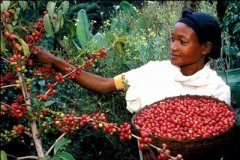
Where Coffee Grows: Ideal Conditions & Global Origins
Ever wondered why your favorite single-origin pour-over tastes wildly different from one region to another? It’s not just processing or roast level — it starts with where the coffee tree grows. The unique interplay of climate, elevation, soil, and sunlight shapes everything from acidity to sweetness. Let’s break down exactly what makes a region suitable for growing high-quality coffee and why certain places produce legendary beans.
The coffee tree, native to Ethiopia, thrives between 25° north and south of the equator — the 'Coffee Belt' — but ideal growing conditions are far more specific. You need temperatures between 15–25°C, 1500–2000mm of rain annually timed to the flowering cycle, rich volcanic soil, and elevations of 500–2000m for the best results. That’s why some mountains produce world-renowned coffees while others don’t.
What Is a Coffee Tree, Really?
Coffee trees are evergreen plants from the Rubiaceae family, specifically the Coffea subgenus. What we call a ‘coffee bean’ is actually the seed inside the fruit (called a cherry), not a true bean. These seeds only earn the name because of their shape. The tree is native to Ethiopia, where it has grown wild for centuries, and its cultivated descendants now thrive in specific global environments tailored to their needs.
Why Does Latitude Matter for Coffee Growing?
Coffee only grows well in tropical and subtropical zones, specifically between 25 degrees north and 25 degrees south latitude — the area known as the ‘Coffee Belt.’ Within this belt, however, not all land is equal. Microclimates, elevation, and soil quality play massive roles in determining whether a region can produce high-grade beans. Simply being in the right band on the map isn’t enough without the right supporting conditions.
What Climate Do Coffee Trees Need?
Ideal coffee-growing conditions include:
- Temperature: Steady warmth between 15–25°C. Too hot or cold disrupts growth and ripening.
- Rainfall: 1500–2000mm annually, timed to match the coffee plant’s flowering and fruiting cycles.
- Soil: Well-draining, fertile soil rich in organic matter — volcanic soils are especially prized.
- Sunlight: Sun is essential, but too much direct light stunts growth. Many farms plant shade trees like bananas or mangoes to diffuse harsh rays.
- Altitude: 500–2000m above sea level, with the sweet spot often between 800–1200m. Higher altitudes typically slow ripening, increasing sugar development and complexity.
For example, Jamaica’s famed Blue Mountain coffee thrives at 800–1200m, contributing to its smooth, balanced profile. Elevation isn’t just a number — it directly affects cup quality.
How Does Elevation Affect Coffee Flavor?
Higher elevations usually mean cooler temperatures, which slow the coffee cherry’s maturation. This extended growth period allows the beans to develop more complex sugars and acids. That’s why beans grown at 1200m+ often have brighter acidity, greater sweetness, and more nuanced flavors compared to those grown at lower altitudes. While low-elevation beans can still be good, they tend to be milder and less distinctive.
What Role Does Soil Play in Coffee Quality?
Volcanic soils are ideal for coffee because they’re rich in nutrients, well-draining, and often packed with minerals that support healthy root systems and cherry development. Good drainage prevents waterlogging, which can rot roots and ruin crops. Fertile, balanced soils help the tree absorb what it needs to produce high-quality fruit — and ultimately, great-tasting coffee.
Does Sunlight Help or Hurt Coffee Plants?
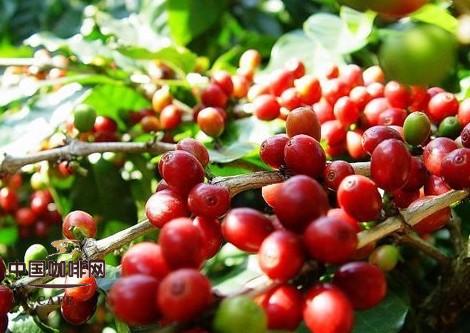
Sunlight is crucial for photosynthesis and fruit development, but too much direct sunlight can overheat the tree and reduce yields or bean quality. To manage this, many coffee farms plant tall, leafy shade trees such as bananas, mangoes, or legumes. These trees filter sunlight, regulate temperature, and sometimes even fix nitrogen in the soil, creating a more stable microclimate for coffee trees.
Frequently Asked Questions
What is the ideal temperature range for growing coffee?
Coffee trees grow best in temperatures between 15–25°C. Consistent warmth within this range supports steady growth and proper cherry development, while temperatures outside it can stress the tree and harm yield or quality.
How much rainfall does a coffee plant need?
Coffee plants require approximately 1500–2000mm of rainfall per year. The rain should be well-timed to align with the plant’s flowering and fruit development stages to support healthy growth and cherry maturation.
Why do higher altitudes produce better coffee?
Higher altitudes usually mean cooler temperatures, which slow the ripening process. This extended maturation allows coffee cherries to develop more sugars and complex acids, resulting in brighter acidity, richer sweetness, and more nuanced flavors in the roasted beans.
What kind of soil is best for coffee trees?
The best soil for coffee is well-draining, fertile, and often volcanic. Volcanic soils are rich in minerals and organic matter, which promote strong root systems and help the tree produce high-quality cherries with complex flavors.
Do coffee trees need shade?
Yes, many coffee farms use shade trees like bananas, mangoes, or legumes to protect coffee trees from intense sunlight. Shade helps regulate temperature, improves microclimate stability, and can enhance soil fertility through leaf litter and nitrogen fixation.
Where is coffee originally from?
Coffee originates from Ethiopia, where the Coffea plant grows natively. The coffee bean — actually the seed of the coffee cherry — was discovered there and later spread globally under cultivation.
Recommended FrontStreet Beans for Coffee Origin Exploration
Explore coffee’s global diversity with FrontStreet’s Ethiopia Huakui, a bright, fruity natural process coffee showcasing Ethiopia’s origin signature with notes of strawberry, citrus, and cream. For classic Latin American balance, try Brazil Queen Manor Yellow Bourbon — a sweet, creamy profile with peanut, caramel, and soft acidity. Or dive into high-altitude excellence with Jamaica Blue Mountain No.1, famed for its smooth, chocolatey richness with notes of nuts and stone fruit. Freshly roasted within 5 days · Orders placed before 17:00 ship the same day · Next-day delivery across most of Guangdong Province.
FrontStreet Coffee is a long-established specialty coffee roaster in Guangzhou China, selling freshly roasted beans from its own farm in Yunnan as well as dozens of carefully selected single-origin beans from around the world for both pour-over and espresso. The products deliver consistently excellent quality and great value, with shipping within 24 hours. Guangzhou's FrontStreet Coffee shop is recommended by many coffee lovers, and the beans are now available online at the Tmall 。
Important Notice :
前街咖啡 FrontStreet Coffee has moved to new addredd:
FrontStreet Coffee Address: 315,Donghua East Road,GuangZhou
Tel:020 38364473