What Is Mandheling Coffee? Indonesia’s Sumatran Specialty Bean
If you’ve ever sipped a cup of Indonesian coffee and noticed a heavy body, low acidity, and earthy or spicy undertones, you’ve likely tasted Mandheling. But what makes this coffee so distinctive? And why do coffee lovers around the world seek it out despite—or because of—its unusual profile? Let’s explore the origins, processing, and unique characteristics of this legendary bean.
Mandheling coffee comes from Indonesia’s Sumatra island, primarily grown in the high-altitude regions around Lake Toba. The two best-known types are Lintong Mandheling and DP One Mandheling, both prized for their full body, spicy-chocolate notes, and low acidity. The rare 'aged' version, called 'Aged Mandheling' or '', rests in cellar-like conditions for three years, boosting richness and spice tones while lowering acidity further.
Where Is Mandheling Coffee Grown?
Mandheling is not a coffee variety but a trade name for high-quality arabica grown in northern Sumatra. Though 90% of Indonesia’s coffee is robusta, the 10% arabica includes world-renowned beans from Sumatra, particularly the regions of Aceh’s Gayo Highlands and Lake Toba’s Lintong and Diari areas. These highland zones sit between 1,100 and 1,600 metres above sea level, where volcanic soils and cool temperatures support slow maturation and complex flavour development.
Lintong specifically refers to small farms located southwest of Lake Toba, on undulating clay plateaus covered with ferns. Most of these are tiny, family-owned plots that grow coffee without shade or chemical inputs. The broader Mandheling classification also includes nearby Diari and other areas around the lake under similar growing conditions.
What Makes Mandheling Coffee Taste Different?
The signature taste of Mandheling coffee is its full body paired with low acidity. Rather than bright citrus or berry notes common in African coffees, Mandheling offers a smooth, sometimes syrupy mouthfeel. Flavour notes often include herbs, spices, dark chocolate, caramel, and sometimes a faint earthy or woody quality. Acidity is present but mild—more like a gentle floral or fruity tang rather than sharp citrus.
The “classic” Mandheling profile also includes a touch of sweetness amid bitterness, which appeals to fans of darker roasts. Over the years, it gained fame as one of the world’s most full-bodied coffees—even rivaling Jamaican Blue Mountain—before being eclipsed by other single origins.
What Is Aged or '' Mandheling?
One unique variation is the 'aged' or '' (diǎncáng) Mandheling, which is stored in controlled, cellar-like environments for around three years before export. This isn’t traditional ageing like wine, but a controlled process that mellows acidity, deepens body, and amplifies certain spice or nutty notes. The result is a less bright but richer cup, often with flavours resembling cinnamon, walnuts, or even dark chocolate. This style is sought after by drinkers who prefer a heavier, more complex brew.
Contrary to what the term 'aged' might suggest, these beans aren’t stale. They are specially handled to develop smoother, deeper profiles while retaining freshness. The extended rest period reduces perceived acidity but increases overall richness and length in the cup.
How Is Sumatran Coffee Processed?
Most Mandheling coffee is processed using the wet hulling method (also called Giling Basah), unique to Indonesia. In this method, coffee cherries are depulped and partially dried to around 30–50% moisture, then the parchment is removed while the beans are still moist. This early hulling, combined with Sumatra’s high humidity, results in the classic deep blue-green colour of Sumatran beans and contributes to their heavy body and earthy flavours.
The wet hulling process also impacts the bean’s density and how it roasts. These beans often require adjusted roast profiles to balance their inherent heaviness and bring out their spicy or chocolatey notes.
Notable Mandheling Coffee Brands and Varieties
Among commercial and specialty roasters, the PWN Golden Mandheling stands out. Produced by Indonesia’s state-owned PWN Coffee Company (established 1957), this grade is made from the top 1% of Sumatran arabica beans. After sorting by machine and multiple rounds of hand selection, only uniformly sized, defect-free beans remain. The result is a coffee with notes of toasted bread, pine, caramel, and cocoa—rich, layered, and sweet on the finish.
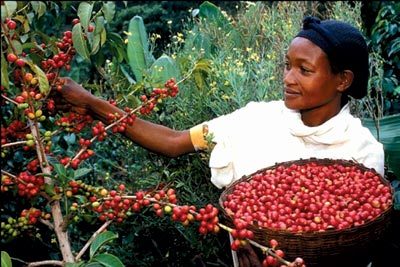
Other well-known market designations include DP One Mandheling, which features a long aftertaste and wild, forest-floor earthiness, and regular Mandheling, which encompasses a broader range of beans from the Lake Toba region under similar growing conditions.
Frequently Asked Questions
What is Mandheling coffee?
Mandheling is a trade name for high-quality arabica coffee grown in northern Sumatra, Indonesia. It is not a coffee variety but a designation for beans sourced from regions like Lintong and Diari, near Lake Toba, and is known for its full body, low acidity, and flavours of spice, herbs, and dark chocolate.
Where is Mandheling coffee from?
Mandheling coffee comes from the island of Sumatra in Indonesia, mainly from high-altitude regions around Lake Toba, including Lintong and Diari. The coffee is grown at elevations between 1,100 and 1,600 metres.
What does Mandheling coffee taste like?
Mandheling coffee typically has a heavy body, low acidity, and flavours of dark chocolate, herbs, spices, caramel, and sometimes a slight earthiness. Acidity, when present, is mild and fruity or floral rather than sharp.
What is aged Mandheling coffee?
Aged or '' Mandheling is coffee stored in controlled conditions for around three years before export. This process reduces acidity, enhances richness, and develops deeper spice, nut, or chocolate notes, resulting in a smoother, more complex cup.
How is Sumatran coffee processed?
Sumatran coffee, including Mandheling, is usually processed using the wet hulling (Giling Basah) method. This involves partial drying before removing the parchment, leading to the beans’ signature deep colour and contributing to their body and earthy flavour profile.
What is PWN Golden Mandheling?
PWN Golden Mandheling is a premium-grade Sumatran coffee produced by Indonesia’s PWN Coffee Company. It is made from the top 1% of beans, meticulously sorted by machine and hand, and offers notes of toast, pine, caramel, and cocoa with a rich, sweet finish.
Recommended FrontStreet Beans for Mandheling Fans
Try FrontStreet Coffee’s Lintong Mandheling for a classic entry point: it brings spice, black chocolate, and caramel with a sweet finish. For a more refined cup, their PWN Golden Mandheling offers intense notes of toast, pine, caramel, and cocoa with remarkable balance and a lasting sugary aftertaste. Both showcase the signature heavy body and low acidity of Sumatran coffee. Freshly roasted within 5 days · Orders placed before 17:00 ship the same day · Next-day delivery across most of Guangdong Province.
FrontStreet Coffee is a long-established specialty coffee roaster in Guangzhou China, selling freshly roasted beans from its own farm in Yunnan as well as dozens of carefully selected single-origin beans from around the world for both pour-over and espresso. The products deliver consistently excellent quality and great value, with shipping within 24 hours. Guangzhou's FrontStreet Coffee shop is recommended by many coffee lovers, and the beans are now available online at the Tmall 。
Important Notice :
前街咖啡 FrontStreet Coffee has moved to new addredd:
FrontStreet Coffee Address: 315,Donghua East Road,GuangZhou
Tel:020 38364473