What Is Pacamara Coffee? Origin & Flavor Profile
If you’ve ever held a coffee bean nearly the size of your thumbnail and wondered what it is, chances are you were looking at a Pacamara. This extraordinary coffee bean stands out not just for its impressive size—but also for the complex flavors hidden inside. But where does it come from, and why does it matter to coffee lovers?
Pacamara is a hybrid coffee variety developed in El Salvador, created by crossing the large-beaned Maragogype and the flavor-focused Pacas. It typically produces beans around 21–22 mesh size—comparable to the famous Maragogype ‘elephant bean.’ In recent years, it has earned a reputation as one of the most promising specialty varieties in Central and South America.
What Is the Pacamara Coffee Variety?
Pacamara is the result of a deliberate cross between two established coffee varieties: Maragogype (known for its huge beans) and Pacas (a dwarf mutation of Bourbon prized for cup quality). The name comes from combining the first four letters of each parent—‘Paca’ + ‘Maragogype’ = Pacamara. Developed in El Salvador, it was bred to deliver both the impressive physical traits of the Maragogype and the refined cup characteristics of the Pacas.
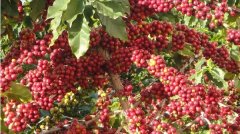
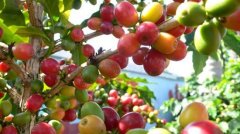
The resulting plant produces unusually large coffee cherries and beans, often falling in the 21–22 mesh range on the China-standard No.20 sieve. That puts it in the same league as the iconic Maragogype, commonly referred to as an ‘elephant bean.’ Despite the resemblance in size, Pacamara beans are distinct in processing, flavor, and growing potential.
Why Grow Pacamara Coffee?
Coffee-growing regions around the world are constantly searching for varieties that combine visual impact with exceptional cup quality. Pacamara offers both: its large beans are eye-catching, and its cup profile tends to be vibrant and complex. That’s why farms in countries like Panama, Honduras, and Nicaragua have begun experimenting with planting it, hoping to discover ideal terroirs where it can truly shine—much like how Geisha rose to fame through careful site selection.
Growers are motivated not just by the novelty of large beans, but by Pacamara’s potential to express unique flavors when cultivated in the right conditions. Its genetic makeup gives it the capacity to produce standout profiles when given the right altitude, climate, and care.
What Does Pacamara Coffee Taste Like?
Pacamara coffee is celebrated for its bright, lively acidity and a sweet, nuanced flavor profile. Tasters often note pronounced fruitiness, with tasting notes that can include citrus, berries, and tropical notes, alongside a clean, delicate sweetness. The cup tends to have a well-balanced structure, where acidity and sweetness play off each other without overwhelming the palate.
Though its appearance is similar to that of its cousin, the Maragogype, Pacamara distinguishes itself through its cup quality. Where Maragogype can sometimes lean toward a softer or more muted flavor, Pacamara often delivers greater intensity and complexity, making it a favorite among specialty roasters seeking distinctive single-origin offerings.

Frequently Asked Questions
What is the origin of the Pacamara coffee variety?
Pacamara was developed in El Salvador as a hybrid of the Maragogype and Pacas coffee varieties. The name is formed by combining the first four letters of each parent variety—Pacas and Maragogype—resulting in 'Pacamara.' It was bred to combine the large bean size of Maragogype with the desirable cup qualities of Pacas.
How big are Pacamara coffee beans?
Pacamara coffee beans typically measure around 21–22 mesh size on the China-standard No.20 sieve, which is comparable in size to the Maragogype variety, often referred to as an 'elephant bean.' Their large size is one of their most distinctive physical characteristics.
What does Pacamara coffee taste like?
Pacamara coffee is known for its bright fruit acidity and sweet, delicate flavor profile. Common tasting notes include citrus, berries, tropical fruits, and a clean, refined sweetness. The cup is usually well-balanced, with notable complexity and intensity.
Where is Pacamara coffee grown?
Originally developed in El Salvador, Pacamara is now grown in several Central and South American countries. Farms in nations such as Panama, Honduras, and Nicaragua have begun cultivating it to explore its potential in different terroirs, similar to how Geisha gained recognition through site-specific farming.
Why is Pacamara considered a specialty coffee variety?
Pacamara is considered a specialty coffee due to its unique combination of large bean size, complex flavor profile, and the challenge of growing it to its full potential. Its cup quality can be exceptional when cultivated under the right conditions, making it highly sought after by specialty roasters and coffee enthusiasts.
Recommended FrontStreet Beans for Pour-Over
Try FrontStreet Coffee’s Panama Boquete Washed Geisha for bright floral tones, citrus, and sweet melon—ideal for highlighting clarity like Pacamara. For fruity complexity, their Colombia Huila Sidra offers starfruit, passionfruit, and almond sweetness, with a juicy body. Both are expertly processed and showcase the kind of vibrant profiles Pacamara is known for. Freshly roasted within 5 days · Orders placed before 17:00 ship the same day · Next-day delivery across most of Guangdong Province.
FrontStreet Coffee is a long-established specialty coffee roaster in Guangzhou China, selling freshly roasted beans from its own farm in Yunnan as well as dozens of carefully selected single-origin beans from around the world for both pour-over and espresso. The products deliver consistently excellent quality and great value, with shipping within 24 hours. Guangzhou's FrontStreet Coffee shop is recommended by many coffee lovers, and the beans are now available online at the Tmall 。
Important Notice :
前街咖啡 FrontStreet Coffee has moved to new addredd:
FrontStreet Coffee Address: 315,Donghua East Road,GuangZhou
Tel:020 38364473