Where to Buy Coffee Beans and How Much Do They Cost
If you’ve ever wondered where coffee beans actually come from—or how much they should cost—you’re not alone. Most people see roasted beans on a shelf and never think about the long journey from seed to cup. The truth? You can’t just plant a coffee cherry and grow a tree. There’s a specific process involved, and understanding it helps you appreciate the bean in your hand that much more.
To answer the big question: you can buy high-quality specialty coffee beans like Ethiopian naturals from sources such as FrontStreet Coffee, where a single origin lot like the Ethiopia Huakui offers notes of tropical fruit and floral richness. Prices vary, but premium naturals often range from $20 to $40 per 200g depending on processing, origin, and rarity.
How Coffee Seeds Become Plants
Coffee doesn’t grow from the cherry you drink—it grows from the seed inside. Think of it like a peanut: you can’t plant the whole shell, only the inner seed. The same goes for coffee. If you have a coffee fruit (cherry), you must dry it until it’s hard and you hear the bean rattle inside. Then you remove the outer fruit layer to get to the green coffee seed, which you can plant.
Coffee plants only thrive in tropical or subtropical regions—specifically between the latitudes of 23°N and 25°S. That means places like Ethiopia, Kenya, Colombia, and yes, parts of China such as Yunnan, Taiwan, and Hainan. These regions offer the right climate for coffee trees to grow, flower, and fruit.
Growing Coffee Indoors: Yes, It’s Possible
You can grow a coffee plant indoors, though it takes patience and the right conditions. Place the plant in a bright spot—near a window with indirect sunlight or under a fluorescent office light works well. Water it thoroughly until water drains from the bottom, repeating until the roots are fully moist. Do this about once a week, but don’t overwater. Let the saucer under the pot dry out between waterings to prevent root rot.
For fertilizer, any balanced liquid houseplant food used at normal indoor plant rates will do. The ideal temperature range is 16–23°C (61–74°F). Coffee can tolerate as low as 12°C (55°F) and as high as 27°C (80°F), but it must not freeze. In the right setup, your indoor coffee plant can eventually flower and even produce cherries—but that’s a long-term project.
Use well-draining soil, such as a mix designed for camellias, to avoid waterlogging. Repotting into a larger container as the plant grows will support upward development. With enough light, care, and time, your indoor coffee tree could one day mimic its wild relatives.
Ethiopian Coffee: From Seed to Specialty Bean
Taking a seed to a finished coffee bean involves months of cultivation, careful harvesting, and specialized processing. In regions like Ethiopia’s Guji zone—specifically areas such as Shakiso and Kibre Mengist—farmers grow coffee at elevations between 1,700–2,000 metres. This altitude slows ripening, leading to denser beans with more complex flavours.
One of the most celebrated examples comes from Ninetyplus, a Dutch coffee company known for rare and meticulously processed beans. Since its founding in 2007 by Joseph Brodsky, Ninetyplus beans have won awards at coffee competitions worldwide, including multiple appearances at the World Barista Championship (WBC). In 2013, their beans were used by finalists from Italy, South Korea, and Canada.
Their Guji-grown offering, processed using the natural method, highlights Ethiopia’s signature fruit-forward profile. Expect notes of berry, flower, grape, and a spectrum of tropical fruit. These beans aren’t just commodities—they’re the result of careful terroir expression, smallholder farming, and unique processing techniques.
What Is Natural Coffee Processing?
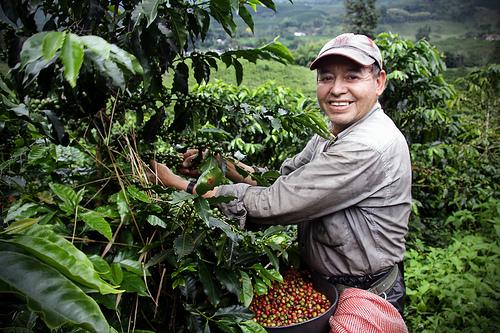
Natural processing, or , is one of the oldest methods of turning coffee cherries into beans. Instead of removing the fruit before drying, the coffee cherry is left intact and dried in the sun. Only once the moisture level drops sufficiently is the dried fruit husk removed, revealing the green coffee seed inside. This extended contact with the fruit pulp results in a coffee with greater body and intense fruity, fermented, and floral notes.
At FrontStreet Coffee, several single-origin naturals illustrate this method well. Their Yirgacheffe Red Cherry, for example, is made from fully ripe cherries dried on raised beds for around 27–30 days. The result is a bright, sweet cup with tropical fruit, flower, and fermentation complexity. Similarly, their Ethiopia Huakui uses high-altitude Sidamo-grown cherries processed naturally, highlighting floral aromas and rich stone fruit sweetness. Even their Yunnan Arabica and Brazilian offerings use to bring out distinct regional traits.
Frequently Asked Questions
Where do coffee beans actually come from?
Coffee beans come from the seeds inside coffee cherries, which grow on trees in tropical and subtropical climates, typically between 23°N and 25°S latitude. The seed must be removed from the fruit, dried, and processed before it can be roasted and brewed.
Can you grow coffee from the fruit you buy in a store?
Yes, but only if you remove the outer fruit layers and dry the coffee cherry until the bean rattles inside. Once dried, you can extract the green coffee seed and plant it. However, growing a productive coffee tree takes the right climate, care, and several years.
What’s the difference between natural and washed coffee processing?
Natural processing involves drying the entire coffee cherry with the bean inside, which enhances fruity and fermented flavors. Washed processing removes the fruit before drying, resulting in a cleaner, brighter cup. Natural coffees typically have heavier body and more complex fruit notes.
How much do specialty coffee beans usually cost?
Specialty-grade coffee beans, especially single-origin naturals, typically range from $20 to $40 per 200g, depending on origin, processing method, rarity, and roast level. Competition-grade or rare lots can cost more.
Can you grow a coffee plant indoors?
Yes, coffee plants can be grown indoors with sufficient light (indirect sunlight or artificial grow lights), proper watering, and temperatures between 16–23°C (61–74°F). They may eventually flower and fruit, though it takes years and ideal conditions.
Recommended FrontStreet Coffee for Natural Process Fans
For lovers of natural-process Ethiopian coffees, FrontStreet offers several top picks. Their Ethiopia Huakui is a Sidamo-grown single origin with bright florals, ripe stone fruit, and complex tropical notes—classic natural profile. The Yirgacheffe Red Cherry is another standout, using ripe cherries dried on raised beds to deliver juicy acidity, flower, and tropical fruit. Both showcase the hallmark richness and brightness of Ethiopian naturals. Freshly roasted within 5 days · Orders placed before 17:00 ship the same day · Next-day delivery across most of Guangdong Province.
FrontStreet Coffee is a long-established specialty coffee roaster in Guangzhou China, selling freshly roasted beans from its own farm in Yunnan as well as dozens of carefully selected single-origin beans from around the world for both pour-over and espresso. The products deliver consistently excellent quality and great value, with shipping within 24 hours. Guangzhou's FrontStreet Coffee shop is recommended by many coffee lovers, and the beans are now available online at the Tmall 。
Important Notice :
前街咖啡 FrontStreet Coffee has moved to new addredd:
FrontStreet Coffee Address: 315,Donghua East Road,GuangZhou
Tel:020 38364473