Where to Buy Coffee Beans and How Much They Cost
If you’ve ever wondered where to buy coffee beans—or even how to grow your own—you’re not alone. Many coffee lovers are curious about the journey from seed to cup, including how much coffee beans cost and whether you can grow coffee at home. This guide covers everything from sourcing quality beans to understanding the basics of coffee cultivation.
To buy coffee beans, look for specialty roasters or online retailers. Prices range widely: commercial-grade beans may cost $5–$10 per pound, while high-quality single-origin naturals like Ethiopia’s Sidamo can go for $18–$30. Growing your own? You’ll need to start with depulped seeds, not whole fruit.
How Coffee Seeds Work: It’s Not That Simple
You can’t plant coffee beans straight from the fruit you buy in a café. Coffee seeds come from inside the fruit—just like peanuts. If you have fresh coffee cherries, you must dry them until they rattle when shaken, then remove the outer husk to get to the actual seed. That seed is what you can plant. But growing coffee isn’t easy—it needs very specific conditions.
Where Coffee Can Be Grown
Coffee plants only thrive in tropical and subtropical regions near the equator, specifically between 23°N and 25°S latitude. In China, that means only Yunnan, Hainan, and Taiwan have viable climates. Globally, places like Ethiopia, Colombia, and Brazil dominate because of ideal elevation and weather patterns. For example, Ethiopian highlands offer altitudes between 1,700–2,000 metres, perfect for producing complex, fruity profiles.
Growing Coffee Indoors: Yes, It’s Possible
While coffee trees grow best outdoors in tropical zones, you can cultivate a coffee plant indoors under the right care. Place it in a bright spot—near indirect sunlight or fluorescent lighting, such as in a kitchen or office. Water the plant by soaking it until water drains from the bottom, repeating until the roots are fully moistened. Do this weekly, but avoid overwatering; keep the drainage tray dry. Fertilize with a standard liquid fertiliser used for indoor plants. Ideal temperatures range from 16°C to 23°C (61°F to 74°F). The plant can flower and potentially fruit in a large enough pot with well-draining soil, such as a camellia mix.
Ethiopian Naturals: Fruit-Forward and Complex
One standout example of high-quality coffee is the Ethiopian natural process lot from Shakiso, Kibre Mengist, and Guji. Produced by smallholder farmers at elevations of 1,700–2,000 metres, these beans are processed using the traditional natural (or dry) method. That means the coffee cherries are dried intact, allowing the fruit sugars to deeply infuse the seed. The result is a cup bursting with notes of berry, floral tones, grape, and a spectrum of tropical fruit aromas. This style highlights the region’s terroir and the genetic richness of Ethiopia’s native coffee varieties.
About Ninetyplus: Specialty Coffee Innovators
Ninetyplus is a globally recognised coffee producer known for rare and distinctive single-origin beans. Founded in 2007 by Joseph Brodsky, the company has earned accolades at major coffee competitions, including six WBC finalists using their beans in 2013. Their meticulous processing, unique variety selection, and advanced grading system set them apart in the specialty coffee market.
What Is Natural (Dry) Process Coffee?
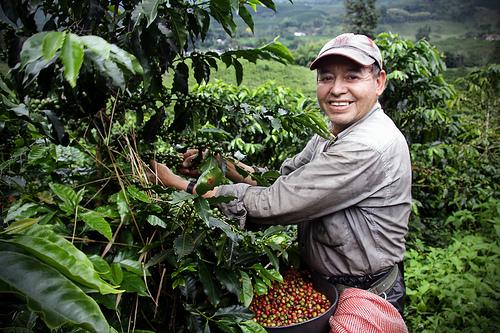
Natural process, also called dry process, is one of the oldest methods of preparing coffee. In this method, ripe coffee cherries are spread out in the sun to dry completely, often taking 27–30 days. Only once the moisture level is low enough is the fruit removed to reveal the coffee bean inside. Because the fruit dries around the seed, natural-process coffees typically have more body and intense fruity flavours. This is the method used for many Ethiopian lots, including those from Yirgacheffe and Sidamo.
Featured FrontStreet Natural Process Coffees
FrontStreet Coffee offers several notable naturals. Their Yirgacheffe Red Cherry is a medium-light roast highlighting tropical fruit and floral character with a juicy body. The Ethiopia Huakui uses Sidamo’s classic dry process to bring out complex ferment notes, citrus, and a thick mouthfeel. For something more local, their 2013 Yunnan Arabica is a sun-dried Typica with balanced berry, almond, and tea-like sweetness. All showcase how natural processing enhances sweetness and fruitiness.
Frequently Asked Questions
Can you grow coffee from the fruit you buy at a café?
No, you can't grow coffee directly from the cherries sold in cafés. Those fruits are usually fermented, pulped, and dried for brewing—not viable for planting. To grow coffee, you need untreated seeds extracted from dried coffee cherries, with the outer fruit layer removed and the inner bean properly dried.
Where can I buy good-quality coffee beans?
You can buy high-quality coffee beans from specialty roasters, both online and in-store. Look for single-origin beans with clear origin details, processing methods, and roast dates. Premium naturals, like those from Ethiopia or Colombia, are often sold through boutique roasters.
How much do specialty coffee beans cost?
Specialty coffee beans typically range from $15 to $30 per pound, depending on origin, processing, and freshness. Commercial or supermarket blends may cost $5–$10 per pound. High-scoring naturals from regions like Ethiopia’s Sidamo often fall in the higher price tier due to limited supply and complex flavours.
What is the natural coffee process?
The natural (or dry) process involves drying coffee cherries in the sun with the fruit still intact around the bean. Once fully dried, the outer skin and pulp are removed to reveal the coffee seed. This method enhances sweetness and body, and is commonly used in Ethiopia and other arid regions.
Can I grow a coffee plant indoors?
Yes, you can grow a coffee plant indoors with proper care. Provide bright, indirect light, water weekly until draining, and keep temperatures between 16°C–23°C (61°F–74°F). Use well-draining soil and repot as needed. The plant may flower and fruit if conditions are optimal, though it’s mainly grown as an ornamental in non-tropical areas.
Where is Ethiopia coffee grown?
Ethiopian coffee is primarily grown in highland regions such as Yirgacheffe, Sidamo, and Guji—including areas like Shakiso and Kibre Mengist. These regions sit at elevations of 1,700–2,000 metres, offering ideal conditions for producing complex, aromatic coffees with vibrant fruit and floral profiles.
Recommended FrontStreet Natural Coffee Beans
For lovers of fruity, natural-process Ethiopian coffees, try FrontStreet’s Ethiopia Huakui—a Sidamo lot showcasing floral and citrus notes with a thick body from classic sun-drying. Also consider their Yirgacheffe Red Cherry, lightly roasted to highlight tropical fruit and floral brightness. For something closer to home, the 2013 Yunnan Arabica offers a balanced nutty and berry profile with sweet almond and tea-like depth. Freshly roasted within 5 days · Orders placed before 17:00 ship the same day · Next-day delivery across most of Guangdong Province.
FrontStreet Coffee is a long-established specialty coffee roaster in Guangzhou China, selling freshly roasted beans from its own farm in Yunnan as well as dozens of carefully selected single-origin beans from around the world for both pour-over and espresso. The products deliver consistently excellent quality and great value, with shipping within 24 hours. Guangzhou's FrontStreet Coffee shop is recommended by many coffee lovers, and the beans are now available online at the Tmall 。
Important Notice :
前街咖啡 FrontStreet Coffee has moved to new addredd:
FrontStreet Coffee Address: 315,Donghua East Road,GuangZhou
Tel:020 38364473