Colombian Coffee: Texture, Flavor and Key Origins
If you've ever sipped a Colombian coffee that felt creamy yet bright, with a rounded acidity and a silky mouthfeel, chances are it came from one of three key regions. But what makes Colombian coffee—especially from Medellín, Armenia, and Manizales—stand out in texture and taste? And how does fruit selection and processing shape those qualities?
The answer lies in the careful hand-picking of ripe coffee cherries, the washed processing method, and the specific microclimates of Colombia’s central coffee belt—especially around Medellín, Armenia, and Manizales. These regions consistently yield coffee beans that are plump, well-balanced, with medium acidity and a smooth, soft mouthfeel.
Why Medellín, Armenia, and Manizales Lead in Coffee Quality
When it comes to both production volume and cup quality, Colombian coffee is often first associated with Medellín. Beans from this region are notable for their full, dense shape, rich nutrient content, moderate acidity, excellent balance, intense aroma, and a soft, velvety mouthfeel. Alongside Medellín, the neighboring provincial capitals of Armenia and Manizales—both formerly part of the now-defunct Antioquia province where the once Toyota Cup-competing Atlético Nacional football club is based—form what industry insiders call the famed "coffee zone." These three areas represent the heart of Colombia’s most celebrated coffee-growing territory.
How Coffee Cherries Are Harvested and Processed
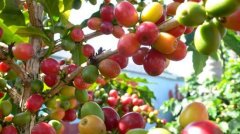
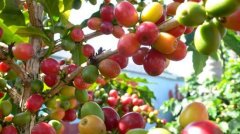
Colombian coffee workers harvest coffee beans by hand, picking only the ripest coffee cherries from the tree. This selective method ensures that only mature, high-quality fruit makes it to processing. The vast majority of Colombian coffee beans are processed using the washed (or wet) method, which helps highlight clean flavors and a crisp profile. After washing, these beans are typically medium roasted. That roast level yields a cup that is smooth and silky, sometimes with a hint of acidity—not overpowering like traditional Brazilian or Italian espresso profiles. This refined balance is one reason Colombian coffee is often referred to as "green gold."
What Defines Colombian Coffee’s Texture and Flavor
The unique texture and flavor of Colombian coffee arise from several factors: the careful selection of ripe cherries, the washed processing technique, and the specific growing conditions found in the country’s key regions. The medium roast commonly applied to these beans enhances their natural sweetness and acidity without dominating the cup. The resulting profile is often soft and rounded, with a clean finish—making it highly approachable for a wide range of coffee drinkers. This balance, along with the beans’ inherent density and sweetness, contributes to the sought-after “silky” mouthfeel that distinguishes top Colombian coffees.
Frequently Asked Questions
Which Colombian city is most famous for high-quality coffee?
Medellín is most renowned for producing high-quality Colombian coffee, thanks to its beans’ full shape, rich nutrients, moderate acidity, great balance, strong aroma, and soft mouthfeel. It is often considered the top-producing region in terms of both volume and cup profile excellence.
What other cities are part of Colombia’s main coffee zone?
Armenia and Manizales, the capital cities of two southern provinces neighboring Medellín’s former Antioquia province, are also key parts of Colombia’s premium coffee zone. Together with Medellín, they form the core of the country’s most celebrated coffee-growing area.
How are Colombian coffee cherries harvested?
Coffee cherries in Colombia are picked by hand. Workers select only the most mature and fully ripe cherries from the trees, ensuring higher quality and more consistent flavor in the final cup.
What processing method is most common in Colombia?
The majority of Colombian coffee is processed using the washed (or wet) method. This involves removing the coffee cherry’s outer skin and pulp before drying the beans, which helps produce a clean, bright cup with distinct flavor clarity.
Why is Colombian coffee often called 'green gold'?
Colombian coffee is termed "green gold" because of its high quality, balanced flavor, and global demand. Its medium roast profiles often feature smooth, silky textures and subtle acidity, making it highly prized among specialty coffee drinkers worldwide.
What roast level is typical for Colombian coffee beans?
Most Colombian coffee is medium roasted. This roast level enhances the beans’ natural sweetness and acidity while maintaining a clean, smooth profile—avoiding the heavy body of darker roasts.
Recommended FrontStreet Coffee Beans from Colombia
For fans of Colombian coffee highlighted in this article, try FrontStreet Coffee’s selection: their Classic Colombian is a well-balanced washed coffee with chocolate, caramel, and nutty notes, ideal for everyday drinking. For something fruitier, the Sidra and Huila beans offer bright acidity and juicy profiles—perfect for showcasing Colombia’s vibrant cup potential. All are medium roasted and showcase the country’s signature clarity and balance. Freshly roasted within 5 days · Orders placed before 17:00 ship the same day · Next-day delivery across most of Guangdong Province.
FrontStreet Coffee is a long-established specialty coffee roaster in Guangzhou China, selling freshly roasted beans from its own farm in Yunnan as well as dozens of carefully selected single-origin beans from around the world for both pour-over and espresso. The products deliver consistently excellent quality and great value, with shipping within 24 hours. Guangzhou's FrontStreet Coffee shop is recommended by many coffee lovers, and the beans are now available online at the Tmall 。
Important Notice :
前街咖啡 FrontStreet Coffee has moved to new addredd:
FrontStreet Coffee Address: 315,Donghua East Road,GuangZhou
Tel:020 38364473