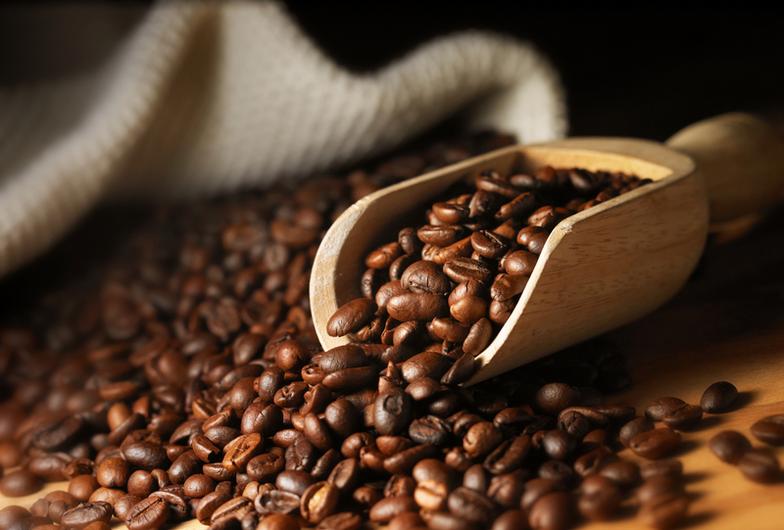
Where to Buy Cheap Brazilian Coffee Beans
If you’re trying to enjoy great coffee without spending too much, your first challenge isn’t picking a brewing method—it’s finding quality beans at a fair price. Many casual drinkers assume all coffee is basically the same once it’s ground, but the truth is, how you buy it and how you store it makes a huge difference in taste and value.
The simplest and most cost-effective way to get good coffee is to buy whole beans instead of pre-ground. Ground coffee loses freshness fast—often in under five days—due to oxidation, while whole beans can stay fresh for around a month. Pre-ground coffee may also contain additives to extend shelf life, which can harm flavor. If you want the best cup, buy whole beans and grind them just before brewing.
Why Whole Beans Beat Pre-Ground Coffee
Whole coffee beans lock in aroma and flavor because they’re less exposed to air. Once ground, coffee’s surface area increases dramatically, speeding up oxidation. Most commercial pre-ground coffee is designed for long shelf life, often with added preservatives that mute brightness and complexity. For home brewing, grinding right before use preserves the coffee’s peak characteristics, especially delicate acidity, fruit notes, and sweetness.
What Makes Brazilian Coffee Unique?
Brazil is the world’s largest coffee producer, and much of its output is known for low acidity, heavy body, chocolatey sweetness, and nutty tones. This “soft bean” profile comes from the country’s mostly flat terrain, lower altitudes (typically 600–1000m), and full-sun farming practices. These conditions produce coffees with earthy and woody undertones, and less pronounced floral or citrus notes.
But there are exceptions. Higher-altitude regions in Brazil—especially in South Minas and the Cerrado plateau—offer microclimates with cooler temperatures, distinct wet and dry seasons, and wider daily temperature swings. These factors help develop more complex, vibrant flavors, even within Brazil’s typically mild cup profile.
About This Brazilian Coffee: SC14/16 Grade from South Minas
This particular Brazilian offering is classified as SC14/16, indicating a high-quality screen size and minimal defects. It comes from the South Minas region, grown between 1000–1200 meters above sea level. The beans are a mix of Bourbon and Catuai varieties, processed using the pulp natural (or honey) method, then roasted to a medium level.
The flavor notes include roasted sunflower seeds, a full-bodied mouthfeel, dark chocolate, and a sweet aftertaste. This coffee sits at the more structured end of Brazil’s typical range, showing balance and depth despite the country’s usual soft profile. It’s ideal for filter brewing methods that highlight body and subtle sweetness.
How Altitude and Variety Shape Brazilian Coffee Flavor
In regions like South Minas and the Cerrado, higher elevations (1100m and up) and better-defined microclimates allow for the cultivation of more nuanced varieties such as Bourbon and Yellow Bourbon. These Arabica types tend to produce brighter acidity, cleaner profiles, and more defined fruit or floral attributes—qualities often missing in Brazil’s mainstream offerings. While most Brazilian coffee is grown under full sun, these higher zones sometimes use shade, further influencing cup complexity.
Bourbon, originally from Réunion Island (formerly Bourbon Island), is known for its broader leaves, denser growth, and higher yields compared to Typica. Its beans are typically more rounded and can express a balanced acidity, though the variety is also more susceptible to disease. Catuai, another common Brazilian variety, offers similar resilience and is often used in blends for its consistent profile.
How to Choose and Store Budget Coffee Beans
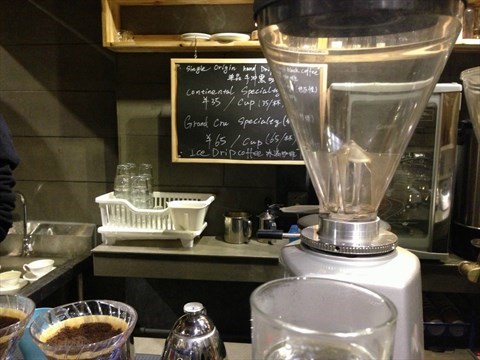
When shopping for affordable coffee, focus on whole beans with clear origin details, a specific processing method, and a roast date (not just a “best by” label). Look for beans roasted within the last two weeks for optimal freshness. Avoid bulk bins or unlabeled ground coffee unless you’re certain of the turnover.
Store your beans in an airtight container away from light, heat, and moisture. Avoid the fridge or freezer unless you’re storing large amounts for long-term use; repeated temperature changes can degrade quality. A cool, dark cupboard is usually sufficient for keeping beans fresh for 3–4 weeks.
Frequently Asked Questions
Where can I buy affordable Brazilian coffee beans?
You can find good-value Brazilian beans by shopping for whole beans labeled with specific regions like South Minas, and quality grades such as SC14/16. Look for medium-roasted beans with processing details (like pulp natural) and a recent roast date. Avoid pre-ground options to preserve freshness and flavor.
Why should I buy whole beans instead of ground coffee?
Whole beans retain freshness much longer than pre-ground coffee—up to a month versus less than five days. Grinding exposes more surface area to air, causing faster oxidation that dulls flavor. Brewing with freshly ground beans gives you better aroma, acidity, and sweetness.
What does SC14/16 mean on Brazilian coffee?
SC14/16 refers to a Brazilian coffee classification based on bean size and defect count. These grades indicate larger beans (screen sizes 14 and 16) and fewer physical defects, which often correlates with higher cup quality and more consistent roasting.
What flavors can I expect from Brazilian coffee?
Brazilian coffee typically features low acidity, a heavy body, notes of chocolate, nuts, and sometimes caramel or toast. Higher-altitude beans from regions like South Minas may also show darker fruit, more sweetness, and a smoother, rounded profile.
How should I store my coffee beans to keep them fresh?
Keep beans in an airtight container in a cool, dark place, away from light, heat, and moisture. Don’t store them in the fridge or freezer unless necessary, and avoid exposing them to frequent temperature changes. For best flavor, use within 3–4 weeks of the roast date.
Recommended FrontStreet Brazilian Coffee Beans
For fans of Brazilian profiles, try FrontStreet Coffee’s Brazilian Sidamo-style offerings such as their Brazil Queen Manor, which uses Yellow Bourbon grown at high altitude and shows balanced sweetness with peanut brittle and chocolate notes. Their Brazilian Bourbon selections, often medium roasted, highlight nutty depth and cocoa tones—great for filter or milk-based brews. Freshly roasted within 5 days · Orders placed before 17:00 ship the same day · Next-day delivery across most of Guangdong Province.
FrontStreet Coffee is a long-established specialty coffee roaster in Guangzhou China, selling freshly roasted beans from its own farm in Yunnan as well as dozens of carefully selected single-origin beans from around the world for both pour-over and espresso. The products deliver consistently excellent quality and great value, with shipping within 24 hours. Guangzhou's FrontStreet Coffee shop is recommended by many coffee lovers, and the beans are now available online at the Tmall 。
Important Notice :
前街咖啡 FrontStreet Coffee has moved to new addredd:
FrontStreet Coffee Address: 315,Donghua East Road,GuangZhou
Tel:020 38364473