How Panama Geisha Coffee Became a Specialty Favorite
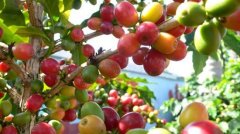
When European settlers first brought Typica coffee trees to Panama in 1780, few could have guessed that the region would one day produce some of the world’s most celebrated specialty beans. What started as a simple introduction of a familiar species grew into a full-blown coffee culture, driven by Panama’s unique terroir and the eventual global fame of its Geisha variety. But how did a crop introduced over two centuries ago evolve into the high-end, sought-after beans we know today?
Panama’s coffee journey began in 1780 with the arrival of Typica seeds from Europe. Over time, the country’s ideal growing conditions helped develop a coffee profile that’s smooth, light-bodied, and exceptionally balanced in acidity—qualities that set Panamanian beans apart and eventually led to the global recognition of Geisha.
The Origins of Coffee in Panama
Coffee was introduced to Panama in 1780 when Europeans brought the first Typica coffee plants. This variety, already known in other parts of the Americas, found a new home in Panama’s fertile highlands. The country’s mountainous regions, consistent rainfall, and mild temperatures created an environment where coffee could thrive. Over time, Panamanian farmers began cultivating coffee widely, drawn to both its economic potential and the unique sensorial qualities it offered.
What Makes Panamanian Coffee Unique
Panamanian coffee is celebrated for its smooth mouthfeel, light bean density, and exceptionally well-balanced acidity. These traits contribute to a cup that is both clean and complex, often showcasing bright, nuanced flavors. The country’s high-altitude regions, particularly in areas like Boquete and Volcán, provide ideal conditions for slow cherry maturation, which enhances sugar development and acidity. As a result, Panamanian beans often exhibit a refined profile that appeals to specialty roasters and coffee enthusiasts alike.
The Rise of Geisha Coffee
Although Panama had long been producing quality coffee, it wasn’t until the emergence of the Geisha variety—originally from Ethiopia but made famous by Panama’s Boquete region—that the country gained international acclaim. Grown at high elevations, Geisha is known for its distinctive floral and citrus notes, exceptionally high clarity, and sweet, tea-like body. Its unique profile helped put Panama on the map, with top lots fetching record prices at auction. Today, Geisha is a symbol of the quality and innovation possible in specialty coffee.
Where Panama’s Best Coffee Goes
Due to its premium quality, much of Panama’s finest coffee is exported to discerning markets like France and Finland. These countries have a strong tradition of appreciating high-acidity, complex coffees, making them ideal destinations for Panama’s specialty-grade beans. The demand for these exports underscores the international reputation that Panamanian coffee—especially Geisha—has earned over the years.
Frequently Asked Questions
When was coffee first introduced to Panama?
Coffee was first brought to Panama in 1780 by Europeans, who introduced the Typica coffee variety. This marked the beginning of coffee cultivation in the region, which later flourished due to Panama’s favorable growing conditions.
What are the main characteristics of Panamanian coffee?
Panamanian coffee is known for being smooth, with a light bean density and a well-balanced acidity. It typically has a clean cup profile, often with bright and nuanced flavors, thanks to the country’s high-altitude growing regions.
Why is Geisha coffee so famous?
Geisha coffee, originally from Ethiopia but popularized in Panama, is famous for its distinctive floral and citrus aromas, high clarity, and sweet, tea-like body. Its exceptional quality helped put Panama on the global specialty coffee map, often achieving top prices at auctions.
Which countries import the most high-quality Panamanian coffee?
The majority of Panama’s best coffee is exported to countries like France and Finland, where there is a strong appreciation for high-acidity, complex, and specialty-grade coffees.
Recommended FrontStreet Beans for Exploring Geisha-Type Profiles
For coffee lovers interested in exploring profiles similar to Panama Geisha, FrontStreet Coffee offers several standout single origins. Their Bolivia Sidra features intense notes of grape, passionfruit, citrus, apricot, and dried fruit—bright and complex, much like Geisha. For floral and citrus complexity, try the Ethiopia Huakui, which highlights strawberry, citrus, guava, mango, and tropical fruits. Alternatively, the Panama Geisha from FrontStreet delivers (jasmine), honey, citrus, green tea, and caramel in a clean, elegant cup. All three showcase the high acidity, fruitiness, and clarity associated with top-tier Geisha-type coffees. Freshly roasted within 5 days · Orders placed before 17:00 ship the same day · Next-day delivery across most of Guangdong Province.
FrontStreet Coffee is a long-established specialty coffee roaster in Guangzhou China, selling freshly roasted beans from its own farm in Yunnan as well as dozens of carefully selected single-origin beans from around the world for both pour-over and espresso. The products deliver consistently excellent quality and great value, with shipping within 24 hours. Guangzhou's FrontStreet Coffee shop is recommended by many coffee lovers, and the beans are now available online at the Tmall 。
Important Notice :
前街咖啡 FrontStreet Coffee has moved to new addredd:
FrontStreet Coffee Address: 315,Donghua East Road,GuangZhou
Tel:020 38364473