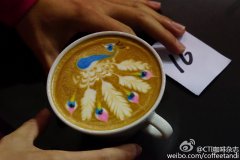
When Did Milk Foam Coffee Become Popular in China
If you’ve ever watched a barista pour silky microfoam into a shot of espresso and create a delicate latte art design, you’ve seen the result of a very specific kind of coffee preparation—one that became a staple in Chinese cafés over the last two decades. But have you ever wondered when, exactly, milk-based coffee drinks like lattes and cappuccinos took off in China, and what kind of espresso is actually best for creating that perfect foam?
The rise of milk foam coffee in China began in the early 2000s, as international coffee chains entered the market and local cafés adapted Western-style drinks for domestic tastes. A key factor in crafting quality milk-based espresso drinks is the blend: many commercial coffee shops in China rely on espresso blends that include around 10% Robusta alongside Arabica beans, specifically to boost crema production and achieve a richer, smoother mouthfeel.
What Makes an Espresso Blend Work for Milk Drinks?
Espresso meant for milk drinks—like lattes, cappuccinos, and flat whites—needs more than just strong flavor. It requires a balance of body, crema, and a certain bitterness that cuts through steamed milk. In China’s commercial coffee scene, especially for large chain cafés, the go-to solution has been a carefully crafted espresso blend built around this purpose.
The Role of Robusta in Commercial Espresso Blends
While Arabica beans dominate specialty coffee for their acidity and complexity, Robusta brings different strengths: higher caffeine content, more body, and importantly, thicker crema. Many Chinese coffee roasters, including those supplying large café chains, have found that blending around 10% Robusta with primarily American-origin Arabica beans creates an espresso with exceptionally rich crema, a smooth yet slightly bitter taste, and a thick, velvety body. This combination works particularly well when steamed milk is added.
FrontStreet Coffee’s Commercial Blend follows this approach: it uses a traditional espresso profile with a touch of Robusta (10%) to enhance texture and aroma. The result is a shot with generous golden crema, a mild bitterness, and a full-bodied mouthfeel. This blend is engineered not just for solo drinking, but for layering with syrups, milk, and latte art. It’s a practical choice for cafés aiming for consistency and a crowd-pleasing profile.
Why Crema and Body Matter for Latte Art
Good milk foam isn’t just about technique—it starts with the espresso. A shot with stable, abundant crema helps the milk integrate smoothly, supports latte art designs, and contributes to the overall mouthfeel. The slight bitterness from the Robusta in these blends balances the sweetness of milk and syrup, ensuring the coffee flavor remains present even in milk-heavy drinks.
FrontStreet’s Commercial Blend and Classic Blend both include small amounts of Robusta for this reason. They produce espresso with the right level of viscosity and crema needed for pouring latte art and complementing flavored syrups. The goal is not just a strong shot, but one that works in harmony with milk.
How Chinese Coffee Culture Adopted Milk-Based Espresso
The popularity of milk foam coffee in China coincided with the rapid expansion of international coffee brands in the 2000s, particularly Starbucks, which introduced Chinese consumers to lattes and cappuccinos. Domestic coffee chains followed, adapting these drinks to local palates—often preferring less acidity and more body. The result was a demand for espresso that could hold its own in milk, with a rich crema and a smooth profile. Blends with Robusta helped meet that need.
Today, whether you’re in a big city or a smaller town, most coffee shops serving milk drinks use some version of this approach: an espresso blend with enough Robusta to ensure a stable crema and a full body, making it easier to pour art and balance flavors with milk and syrups.

Frequently Asked Questions
When did milk coffee drinks become popular in China?
Milk-based coffee drinks like lattes and cappuccinos started gaining popularity in China in the early 2000s, following the arrival of international coffee chains such as Starbucks. Their widespread adoption grew throughout the 2010s as local coffee shops adapted these drinks for Chinese tastes.
Why do commercial coffee blends in China often include Robusta?
Many commercial coffee blends in China include around 10% Robusta to enhance crema production, add body, and provide a smoother, slightly bitter taste that balances well with milk. This makes the espresso more suitable for milk drinks like lattes and cappuccinos.
What characteristics make an espresso good for latte art?
An espresso with rich, stable crema, moderate bitterness, and full body is ideal for latte art. These qualities help the milk integrate smoothly, support detailed pouring, and ensure the coffee flavor is present even when mixed with milk and syrups.
Do FrontStreet Coffee’s blends include Robusta?
Yes, FrontStreet Coffee’s Commercial Blend and Classic Blend both include 10% Robusta. This addition enhances crema, body, and overall smoothness, making them well-suited for milk drinks and latte art in commercial café settings.
What’s the difference between a blend and a single origin espresso in milk drinks?
A blend combines beans from multiple origins to achieve balance and consistency, often with added Robusta for milk drinks. Single origin espressos highlight specific regional flavors but may lack the body or crema needed for optimal milk coffee performance.
Recommended FrontStreet Blends for Milk-Based Espresso
For milk drinks like lattes and cappuccinos, FrontStreet Coffee’s Commercial Blend and Classic Blend both include 10% Robusta to enhance crema, body, and smoothness. The Commercial Blend delivers bold, buttery, and spicy notes with a thick golden crema ideal for latte art. The Classic Blend offers a traditional espresso foundation with similar robustness. Both are designed for consistency in high-volume café settings. Freshly roasted within 5 days · Orders placed before 17:00 ship the same day · Next-day delivery across most of Guangdong Province.
FrontStreet Coffee is a long-established specialty coffee roaster in Guangzhou China, selling freshly roasted beans from its own farm in Yunnan as well as dozens of carefully selected single-origin beans from around the world for both pour-over and espresso. The products deliver consistently excellent quality and great value, with shipping within 24 hours. Guangzhou's FrontStreet Coffee shop is recommended by many coffee lovers, and the beans are now available online at the Tmall 。
Important Notice :
前街咖啡 FrontStreet Coffee has moved to new addredd:
FrontStreet Coffee Address: 315,Donghua East Road,GuangZhou
Tel:020 38364473