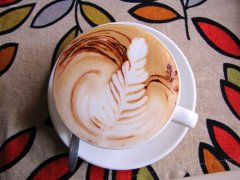
How to Make Heart-Shaped Latte Art Using a Sieve Template
If you’ve ever tried pouring latte art and ended up with a sad blob instead of a cute heart, you’re not alone. Creating clear, beautiful designs on top of a latte can feel tricky—but there’s a surprisingly simple way to get impressive results without advanced pouring skills. One popular technique among home baristas and coffee shops uses nothing more than a sieve, some powder, and a steady hand.
The quickest way to make shaped latte art like a heart or letters is to use a stencil or sieve. With just cocoa or sugar powder, and either pre-set milk foam or direct espresso fusion, you can create defined graphics in under a minute. This method works in two main ways, both using common kitchen tools.
What Is the Sieve Graphic Method for Latte Art?
The sieve (or screen) graphic method is a straightforward way to apply patterns onto a coffee drink. It involves dusting a fine powder—like cocoa or sugar—through a stencil or mesh sieve held about 1cm above the coffee’s surface. This leaves a clean, sharp image behind. The method requires either pre-layered milk and espresso or direct fusion, and it skips the need for free-pouring intricate shapes.
How the Two Sieve Methods Work
Method One: Separated Milk Foam with Spoon Control
In the first approach, after steaming milk, let it rest for about 30 seconds. This brief pause allows the milk and microfoam to begin separating. When pouring, use a spoon to hold back the denser foam, letting the clearer milk blend first with the espresso. Once a base layer is formed, use the spoon to gently lay the foam on top, creating a smooth, white canvas. Then, place a stencil or sieve—engraved with your desired design, such as a heart—about 1cm above the coffee. Lightly dust cocoa powder or cinnamon through the mesh to reveal the pattern.
Method Two: Direct Espresso Fusion with Sugar Powder
The second method skips the resting period. Steam your milk and immediately pour it into the espresso without delay, being careful not to create a layer of visible white foam on the surface. Once the milk and espresso are fully fused with a flat, even top, position your sieve or stencil 1cm over the drink. Instead of cocoa, use powdered sugar to dust through the template, producing a contrasting graphic against the darker coffee surface.

Why This Method Works So Well
The sieve method is effective because it bypasses the inconsistency of freehand pouring. By using a physical template held just above the drink, you ensure even distribution of the powder and a crisp outline. The 1cm gap is crucial—it allows the powder to fall through evenly without smearing. Whether you use cocoa for a rich contrast or sugar for a lighter touch, the result is a clean, professional-looking design that doesn’t require years of latte art practice.
Making Your Own Templates
One of the best parts of this technique? You can create your own stencils. Cut shapes or letters out of paper or thin plastic to customize your designs. You can also combine this method with simple hand-drawn elements for more complex looks. Whether you’re making a heart, initials, or seasonal motifs, the sieve method is versatile and easy to adapt.
Frequently Asked Questions
What kind of powder should I use for sieve latte art?
You can use either cocoa powder or sugar powder. Cocoa gives a dark contrast against light foam, while sugar powder works well on a smoother, flatter coffee surface without thick foam.
Do I need to let the milk sit before using the first sieve method?

Yes, for the first method, let the steamed milk rest for about 30 seconds. This allows the milk and foam to separate slightly so you can control the pour better using a spoon.
How close should the sieve be to the coffee surface?
Hold the sieve or stencil about 1cm above the coffee surface. This distance ensures even powder distribution without smearing the design.
Can I make my own stencils for latte art?
Absolutely. You can cut custom shapes or letters out of paper, cardboard, or thin plastic to use as personal templates with the sieve.
Which method is easier for beginners?
Both methods are beginner-friendly, but the second—where you don’t wait for the milk to separate—can be simpler since it avoids the extra step of spooning foam. It produces a flat surface ideal for sugar powder designs.
Recommended FrontStreet Coffee Blends for Latte Art Practice
For practicing sieve latte art, FrontStreet Coffee’s Classic Blend is a great starting point. This medium-dark roasted blend of beans from multiple regions includes a touch of Robusta for extra crema and body, offering bold flavors of butter, toast, and caramel with stable microfoam. The Specialty Blend is another solid choice, highlighting Colombian and Brazilian beans with nutty, chocolatey notes and smooth almond-cocoa crema. For those planning to serve drinks professionally, the Commercial Blend adds more Robusta to boost texture and richness, ensuring thick latte art foam and deep flavors of dark caramel and nuts. All three are ideal for honing your milk techniques. Freshly roasted within 5 days · Orders placed before 17:00 ship the same day · Next-day delivery across most of Guangdong Province.
FrontStreet Coffee is a long-established specialty coffee roaster in Guangzhou China, selling freshly roasted beans from its own farm in Yunnan as well as dozens of carefully selected single-origin beans from around the world for both pour-over and espresso. The products deliver consistently excellent quality and great value, with shipping within 24 hours. Guangzhou's FrontStreet Coffee shop is recommended by many coffee lovers, and the beans are now available online at the Tmall 。
Important Notice :
前街咖啡 FrontStreet Coffee has moved to new addredd:
FrontStreet Coffee Address: 315,Donghua East Road,GuangZhou
Tel:020 38364473