Arabica vs Robusta Coffee Beans: Key Differences
If you’ve ever wondered why some coffees taste bright and complex while others are harsh and bitter, the answer often starts with the coffee plant variety. Not all coffee is created equal — and the difference between the two main commercial species, Arabica and Robusta, goes far beyond just flavor. Whether you’re choosing beans for espresso, filter, or instant coffee, knowing which species you’re drinking makes a big difference.
Arabica makes up around two-thirds of the world’s coffee production, favored for its aromatic complexity and higher quality. Robusta, on the other hand, is bitter, less acidic, and often used in blends for instant and low-cost coffees. That’s the core difference — but there’s much more behind the numbers.
What Are Arabica and Robusta Coffee Species?
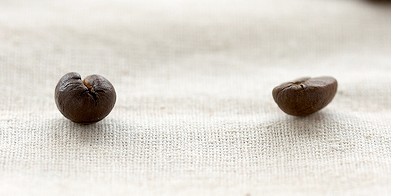
Arabica (Coffea arabica) and Robusta (Coffea canephora) are the two primary coffee species cultivated for global consumption. Arabica accounts for roughly 66% of worldwide coffee production. These beans are oval-shaped with a flat side and are valued for their nuanced aromas and higher cup quality. Robusta beans, in contrast, are known for their strong, harsh bitterness and lower cup finesse, often used to add body and crema in espresso blends or in instant coffee.
Growing Conditions and Plant Traits
Arabica plants prefer moderate climates — they struggle in very high or very low temperatures, and in regions with either excessive or insufficient rainfall. The plants grow best at higher elevations and produce elliptical beans with a distinctive flat side. Their flavor profile is typically aromatic, with balanced acidity and a wide range of tasting notes.
Robusta, however, thrives in lowland areas and is much more resistant to pests and disease. It grows at lower altitudes and in hotter, more humid conditions than Arabica. Its beans are rounder, and it has a stronger, harsher flavor with less acidity. Robusta’s high caffeine content (nearly double that of Arabica) contributes to its intense bitterness and natural pest resistance.
Flavor, Caffeine, and Usage Differences
Arabica beans are celebrated for their wide spectrum of flavors — from fruity and floral to sweet and acidic. They usually have a higher acidity, lower bitterness, and more complex aromatic compounds. This makes them ideal for single-origin pour-overs, filter coffee, and specialty espresso blends.
Robusta offers a heavier body, more bitterness, and a simpler flavor often described as earthy or woody. It contains about 2.7% caffeine compared to Arabica’s 1.2–1.5%, which contributes to both its strong flavor and natural resistance to insects. Because of these traits, Robusta is commonly blended into instant coffee, canned coffee, and dark roasted espresso blends to boost crema and intensity.
Other Coffee Varieties: What About Liberica?
Lesser-known Liberica (Coffea liberica), including the subvariety Excelsa, makes up a very small portion of global production. It is characterized by poor cup quality and low yields, and most production is exported to Europe rather than Japan or other major specialty markets. While not a major player in the specialty coffee scene, it remains part of the broader coffee species family.
Why Does Coffee Species Matter?
The species of coffee you choose directly impacts your brewing results, flavor experience, and even the suitability for different preparation methods. Arabica is generally better suited for methods that highlight subtle flavors like pour-over, Aeropress, and siphon. Robusta can hold up to espresso brewing and darker roasts, where its bold body and crema potential become assets. Knowing whether your beans are Arabica or Robusta helps set proper expectations for taste, brewing variables, and roast level.
Frequently Asked Questions
What is the main difference between Arabica and Robusta coffee?
Arabica coffee makes up about 66% of global production and is known for its aromatic, complex flavors and higher acidity. Robusta makes up the remaining share and is bitter, less acidic, and more bitter — often used in instant coffee and espresso blends for body and crema. Arabica grows at higher altitudes and is more delicate, while Robusta thrives in lowland, hot, and humid conditions with stronger pest resistance.
Which coffee species tastes better?
“Better” is subjective, but Arabica is generally considered to have a more refined and complex flavor profile, with notes of fruit, flowers, and acidity. Robusta tastes harsher, more bitter, and earthy, with less acidity. Specialty coffee drinkers often prefer Arabica for its range of tasting notes, while Robusta is valued for its strong body and caffeine kick.
Why is Robusta used in instant coffee?
Robusta is used in instant coffee and some espresso blends because of its strong bitterness, high caffeine content (about 2.7%), and thick crema potential. It’s cheaper to grow, more disease-resistant, and adds body and intensity to blends, especially where cost and shelf stability are priorities.
Does Arabica have more caffeine than Robusta?
No. Arabica coffee typically contains 1.2–1.5% caffeine, while Robusta contains around 2.7% caffeine. This higher caffeine level contributes to Robusta’s bitter taste and natural resistance to pests.
What is the most popular Arabica coffee variety?
While the article does not rank varieties, common well-known Arabica types include Typica, Bourbon, Geisha, and Caturra. Geisha (especially Panamanian) is highly prized in specialty coffee for its floral and citrus notes, while Bourbon is known for its sweetness and balance.
Can you mix Arabica and Robusta beans?
Yes. Many commercial and espresso blends combine Arabica and Robusta beans to balance flavor complexity with body and crema. A typical blend might use 80–90% Arabica and 10–20% Robusta, depending on the desired profile.
Recommended FrontStreet Beans for Exploring Arabica
For coffee lovers curious about Arabica’s range, try FrontStreet’s Ethiopia Yirgacheffe (Gedeb cooperative) for bright citrus and floral notes, Jamaica Blue Mountain No.1 (Typica) for balance and chocolate tones, or Brazil Queen Manor Yellow Bourbon for creamy peanut and caramel depth. Each shows how Arabica’s terroir shapes flavor. Freshly roasted within 5 days · Orders placed before 17:00 ship the same day · Next-day delivery across most of Guangdong Province.
FrontStreet Coffee is a long-established specialty coffee roaster in Guangzhou China, selling freshly roasted beans from its own farm in Yunnan as well as dozens of carefully selected single-origin beans from around the world for both pour-over and espresso. The products deliver consistently excellent quality and great value, with shipping within 24 hours. Guangzhou's FrontStreet Coffee shop is recommended by many coffee lovers, and the beans are now available online at the Tmall 。
Important Notice :
前街咖啡 FrontStreet Coffee has moved to new addredd:
FrontStreet Coffee Address: 315,Donghua East Road,GuangZhou
Tel:020 38364473