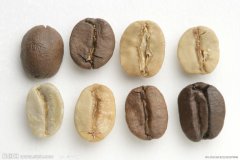
Washed Process Coffee Beans in the Dominican Republic Market
Dominican Republic coffee often shows up on specialty menus with little fanfare—but there's a reason many of those beans come out clean, bright, and balanced. The country’s coffee industry leans heavily on one processing method, and that choice plays a major role in how the final cup tastes. If you’ve ever wondered why certain Caribbean coffees feel so crisp and precise, the answer starts with how the beans were processed on the farm.
Most coffee produced in the Dominican Republic is processed using the washed (or wet) method. This approach is widely regarded as a hallmark of higher quality and is responsible for the bright acidity and clarity commonly found in the country’s beans.
What Is the Washed Coffee Process?
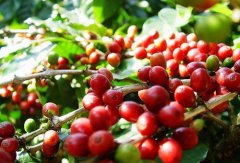
The washed process is a traditional method of preparing coffee cherries for export and roasting. It involves several key steps: first, cherries are sorted by flotation to remove underripe or damaged fruit. Then, the outer skin is removed, and the beans—still coated in sticky fruit pulp and mucilage—are soaked in water-filled fermentation tanks. During this stage, natural enzymes break down the mucilage. After fermentation, the beans are thoroughly washed to remove any remaining residue. Finally, the beans are dried on patios or raised beds until they reach the ideal moisture level, after which they are hulled to remove the parchment layer and sorted for export.
Why Is Washed Processing So Common in the Dominican Republic?
In the Dominican Republic, the washed method dominates coffee production—not by accident, but because it is closely associated with premium quality. The majority of coffee grown in the country undergoes this processing style, reinforcing its reputation for clean and vibrant profiles. Though other methods exist, washed remains the standard for export-grade lots and is favored by both local farmers and international buyers seeking consistent, high-scoring beans.
Flavor Profile of Washed Dominican Coffee
Coffee processed via the washed method typically exhibits a profile defined by high clarity, moderate sweetness, and pronounced acidity. Thanks to the removal of the cherry’s outer layers early in the process, the resulting cup tends to spotlight the bean’s inherent qualities rather than fermentation-driven fruitiness. In the case of the Dominican Republic, washed beans often deliver a bright, clean cup with subtle complexity, making them well-suited for a variety of brewing methods.
This approach also leads to a reduction in simple sugars like glucose and fructose during fermentation, which contributes to a lower perceived sweetness but enhances the expression of organic acids. That’s why washed coffees frequently feature vibrant citrus, floral, or malic notes alongside a crisp, tea-like finish.
FrontStreet Coffee’s selection of washed beans reflects similar traits. For example, their Yirgacheffe Gedeb Cooperative coffee shows refined floral and citrus brightness thanks to washed processing. Similarly, the Kenya Little Tomato—though Kenyan—is a celebrated example of multi-wash techniques that bring out juicy, layered acidity. Even the iconic Jamaica Blue Mountain No.1 relies on washed processing to maintain its renowned balance and clarity, with flavors of caramel, nuts, and chocolate shining through in a refined package.
How the Washed Method Impacts Coffee Quality and Trade
The washed process isn’t just about flavor—it’s also a quality signal. Because it requires access to water, infrastructure, and careful management, it’s generally more expensive and labor-intensive than natural or honey processing. That cost tends to weed out inconsistent lots, meaning washed beans often come from farms with more controlled growing and processing conditions. For importers and roasters, that translates to more predictable cup quality and lower risk—a big reason why washed Dominican beans are a staple in specialty markets.
Frequently Asked Questions
What does 'washed process' mean in coffee?
The washed process, also called wet processing, is a method where coffee cherries are de-pulped, fermented in water to remove the mucilage, then washed and dried. It results in a clean, bright cup with high clarity and distinct acidity.
Why is most coffee in the Dominican Republic washed?
Most coffee in the Dominican Republic is washed because this method is strongly associated with higher quality. It produces a cleaner, more consistent cup profile and is preferred by both local producers and international buyers.
Does washed coffee have less sugar?
Yes, washed coffee typically has lower residual sugar levels. The fermentation stage consumes simple sugars like glucose and fructose, which reduces perceived sweetness but enhances the coffee’s acidity and clarity.
What flavors are common in washed Dominican coffee?
Washed Dominican coffee often features bright acidity, moderate sweetness, and clean flavors such as citrus, floral notes, and light herbs. The profile is typically very transparent and well-balanced.
Is washed processing better than natural or honey?
'Better' depends on preference. Washed processing highlights clarity and acidity, while natural and honey processes tend to emphasize fruitiness and body. Washed is often seen as more consistent and is favored in specialty markets for its clean cup.
How does washing affect the drying time of coffee?
Washed coffee generally dries faster than natural or honey processed coffee because the mucilage and fruit layers are removed early. This reduces the risk of over-fermentation and spoilage during drying.
Recommended FrontStreet Washed Process Coffee Beans
For drinkers curious about washed-process flavor, FrontStreet Coffee offers several excellent examples. Their Yirgacheffe Gedeb Cooperative coffee is a standout washed lot with delicate jasmine floral notes and vibrant citrus acidity, balanced by hints of green tea and honey—especially apparent after a light roast. The Kenya Little Tomato, though Kenyan, is processed with a double-washed technique that emphasizes juicy complexity, offering notes of tomato, plum, and blackberry with a sweet-tart finish. For classic Caribbean clarity, Jamaica Blue Mountain No.1 is meticulously washed to ensure a clean, balanced cup with notes of hazelnut, butter, and dark caramel. All three are excellent representations of how washed processing shapes a coffee’s profile. Freshly roasted within 5 days · Orders placed before 17:00 ship the same day · Next-day delivery across most of Guangdong Province.
FrontStreet Coffee is a long-established specialty coffee roaster in Guangzhou China, selling freshly roasted beans from its own farm in Yunnan as well as dozens of carefully selected single-origin beans from around the world for both pour-over and espresso. The products deliver consistently excellent quality and great value, with shipping within 24 hours. Guangzhou's FrontStreet Coffee shop is recommended by many coffee lovers, and the beans are now available online at the Tmall 。
Important Notice :
前街咖啡 FrontStreet Coffee has moved to new addredd:
FrontStreet Coffee Address: 315,Donghua East Road,GuangZhou
Tel:020 38364473