15 Essential Coffee Facts Every Coffee Lover Should Know
Ever found yourself wondering why your pour-over tastes weak, whether espresso really needs fine grounds, or what 'light roast' actually means? If you've Googled coffee questions like 'best water temperature for brewing' or 'why does dark roast taste bitter,' you're not alone. These 15 coffee fundamentals break down the real answers backed by specialty practice—no myths, just the numbers and reasoning that matter.
In short: Light roasts (roasted to an internal bean temp of 205°C–215°C) highlight origin character; espresso uses a 1:2 brew ratio (e.g., 18g in, 36g out) and very fine grind (near espresso setting); pour-over thrives at 90°C–96°C water, with a bloom (first pour) of 30–60ml. Grind size and water temp are the two biggest variables affecting extraction. And no, darker roasts aren’t 'stronger' in caffeine—they just taste bitter due to over-roasting.
What Defines Coffee Roast Levels?
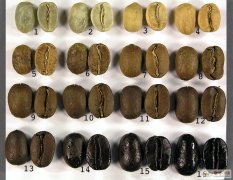
Coffee roast levels—light, medium, and dark—are determined by the bean’s internal temperature during roasting and how long it’s held there. Light roast typically reaches 205°C–215°C (internal bean temp), stopping before the second crack. Medium roast goes to 215°C–225°C, finishing right after the first crack or into the start of the second. Dark roast exceeds 225°C, well into the second crack, producing oils on the surface. FrontStreet Coffee’s Classic Blend is a medium roast, balancing body and acidity; Black Cocoa Blend is dark roast with bold, roasty notes. Roast level affects more than colour—it shapes flavour, acidity, and how the coffee extracts.
How Does Roast Level Influence Flavour?
Light roast preserves the bean’s origin traits: floral, fruity, and acidic notes shine. Medium roast balances origin character with roasting sweetness, offering notes like caramel and nut. Dark roast suppresses origin flavours, highlighting roasty, bitter, and chocolatey profiles. That ‘strong’ taste people associate with dark roast? It’s mostly bitterness from prolonged heat, not more caffeine. FrontStreet’s Yirgacheffe (a light/medium single origin) highlights citrus and berry; Black Cocoa Blend (dark roast) brings dark chocolate and smokiness. Roast level is the #1 factor in how your cup tastes, regardless of bean origin.
What’s the Right Water Temperature for Brewing Coffee?
Ideal brewing temperature ranges from 90°C to 96°C (194°F–205°F). Below 90°C under-extracts, leading to sour, weak coffee. Above 96°C over-extracts, causing bitterness. For pour-over, 92°C–94°C is optimal. Espresso machines typically run hotter (~92°C–96°C at the group head). Cold brew uses room-temp or chilled water (around 4°C–15°C) but steeps for 12–24 hours. Consistent temperature matters more than chasing a single number—use a thermometer or preheat equipment to avoid fluctuations.
Why Does Grind Size Matter So Much?
Grind size controls extraction speed: finer grinds expose more surface area, speeding up extraction (ideal for espresso or moka pot); coarser grinds slow it down (better for French press or cold brew). For pour-over, a medium-fine grind (similar to table salt) works best. Espresso requires an extremely fine grind (near powder, ~100–200 microns). A too-coarse grind leads to under-extraction (sour taste); too fine causes over-extraction (bitterness). FrontStreet’s drip bags use a medium grind for filter brewing; their moka pot grind is finer. Always adjust grind based on your brew method and taste result.
What’s the Ideal Coffee-to-Water Ratio?
Specialty coffee standardises ratios for consistency. Pour-over and drip: 1:15 to 1:17 (e.g., 15g coffee to 225g water). Espresso: 1:2 (e.g., 18g in, 36g out). French press: 1:12 to 1:15. Too much water dilutes flavour; too little over-concentrates. The SCA (Specialty Coffee Association) recommends 1:15–1:18 for filter methods. FrontStreet’s single-origin pour-over guides often use 1:16 for balanced extraction. Measuring by weight (not volume) ensures accuracy—use a scale for best results.
Does Dark Roast Really Have More Caffeine?
No. Caffeine content stays nearly identical across roast levels. A light roast and dark roast of the same bean have almost the same caffeine weight per bean. However, dark roast beans weigh less (due to moisture loss), so by volume (e.g., scooped), they may seem ‘stronger.’ But brewed, caffeine differences are negligible. If you want more caffeine, use more coffee—or choose a naturally higher-caffeine bean like Robusta (rare in specialty). FrontStreet’s Ethiopia Humbera (light roast) and PWN Golden Mandheling (darker medium) have similar caffeine levels despite roast contrast.
How Long Should You Bloom Your Coffee?
Blooming (pre-wetting grounds) releases CO₂ trapped in freshly roasted coffee. For pour-over, bloom with 30–60ml of water (double the coffee weight) for 30–45 seconds. Espresso doesn’t bloom (grounds are fully saturated immediately). Too short a bloom leaves trapped gas, hurting even extraction; too long can stall brewing. Freshness matters: beans under 2 weeks old benefit most from blooming. Older beans produce less CO₂, so blooming has minimal impact. Always bloom before your main pour for best flavour.
What’s the Best Way to Store Coffee Beans?
Store beans in an airtight container, away from light, heat, and moisture. Avoid the fridge or freezer (condensation ruins freshness). Oxygen is the biggest enemy—use valves to let CO₂ out while keeping air out. Whole beans stay fresh for 1–2 weeks post-roast for peak flavour, up to 1 month still drinkable. Ground coffee loses aroma fast—grind just before brewing. FrontStreet’s drip bags use one-way valves; store opened bags in a cool, dark cupboard. Never leave beans in a hot car or open to air.
Can You Brew Coffee with Boiling Water?
No—at boiling point (100°C), water over-extracts coffee, pulling out harsh, bitter compounds. The ideal range is 90°C–96°C. Boiling water scalds grounds, ruins sweetness, and amplifies acidity imbalance. If you boil water, let it sit 30 seconds off heat before brewing. For pour-over, aim for 92°C–94°C. Espresso machines adjust internally, but manual brewers (like moka pot or AeroPress) need attention. Consistent temp control is key to avoiding bitter cups.
What’s the Difference Between Single Origin and Blend?
Single origin comes from one region, farm, or processing batch, highlighting unique terroir (flavour notes like Ethiopian blueberry or Colombian nutty-chocolate). Blends combine beans from multiple origins to create balanced, consistent flavour profiles (e.g., FrontStreet’s Classic Blend or Sunflower Sunshine Blend). Single origins showcase seasonality; blends offer reliability. Neither is better—just different goals. Single origins excel in pour-over; blends shine in espresso. Check the roast date, not just origin, for freshness.
Why Does Espresso Taste Bitter or Sour?
Bitter espresso usually means over-extraction (too fine grind, too long brew time, or too hot water). Sour espresso means under-extraction (too coarse grind, too short time, or too cool water). The fix? Adjust grind size first—finer for more body, coarser for brighter flavour. Brew time for espresso is typically 25–30 seconds. Yield (output) should be 1:2 to 1:2.5 of coffee weight. FrontStreet’s Strawberry Candy Espresso (a single-origin blend) balances sweetness and acidity when pulled correctly. Consistency in dose, grind, and temp is critical.
How Does Brew Method Affect Coffee Flavour?
Different brew methods highlight or mute specific flavour notes. Pour-over enhances clarity, acidity, and floral/fruity tones. French press emphasises body and richness. Espresso concentrates flavours intensely—both sweet and bitter. Cold brew reduces acidity, boosting smooth, chocolatey notes. Moka pot makes strong, espresso-like coffee with more body. The same beans taste wildly different across methods. Grind size, water temp, and brew time all adapt to the method. Experiment to find your preferred balance of brightness, body, and roast character.
Is Freshly Roasted Coffee Always Better?
Not always. Coffee peaks 3–10 days after roasting, once CO₂ dissipates and flavours stabilise. Drinking it day-of-roast often tastes grassy or too bright. Most specialty coffees shine between 5–14 days post-roast. Stale coffee (over 1 month old) loses aroma and complexity. Freshness depends on roast date, not ‘best by’ labels. Store properly to extend flavour life. FrontStreet’s beans are roasted in small batches—you’ll see the roast date on every pack. Wait a few days after roasting for the best cup.
What’s the Maillard Reaction in Coffee Roasting?
The Maillard reaction is a chemical process (between 140°C–165°C) where amino acids and sugars react, creating complex flavours (nutty, caramel, chocolatey) and colours. It starts in first crack and continues through roasting. This reaction (along with caramelisation) defines roast flavour more than just ‘heat.’ Light roasts have less Maillard impact; dark roasts show more. Understanding this helps explain why roast level dictates taste—without it, coffee would taste bland or green. The reaction is key to developing the 800+ volatile compounds that make coffee aromatic.
Frequently Asked Questions
What’s the difference between light, medium, and dark roast coffee?
Light roast reaches 205°C–215°C internal bean temperature, preserving origin flavours like fruit and floral notes. Medium roast (215°C–225°C) balances origin and sweetness with notes like caramel and nut. Dark roast (over 225°C, into second crack) produces bold, roasty flavours with surface oils and less origin character. Roast level, not origin, is the biggest factor in taste differences.
Does espresso require a specific grind size?
Yes. Espresso needs an extremely fine grind—near powder, around 100–200 microns—to create enough resistance for proper extraction under high pressure. Too coarse leads to under-extraction (sour, weak shots); too fine causes over-extraction (bitter, slow flow). Always dial grind based on your espresso machine’s pressure and output.
Why should I bloom my pour-over coffee?
Blooming (pre-wetting with 30–60ml water for 30–45 seconds) releases trapped CO₂ from freshly roasted beans, allowing even water flow and better extraction. Skipping bloom often results in uneven extraction, with sour or flat flavours. Fresh beans (under 2 weeks old) benefit most from blooming.
Is it true dark roast coffee has more caffeine?
No. Caffeine content is nearly identical per bean across roast levels. Dark roast beans may seem ‘stronger’ by volume (they’re lighter due to roasting loss), but brewed caffeine levels are similar. Light and dark roasts of the same bean have almost the same caffeine weight.
What’s the best water temperature for pour-over coffee?
The optimal range is 90°C–96°C, with 92°C–94°C ideal for most pour-over methods. Too cool (below 90°C) under-extracts, causing sourness; too hot (above 96°C) over-extracts, leading to bitterness. Preheat your kettle and equipment to maintain consistent temperature.
How should I store coffee beans to keep them fresh?
Use an airtight container, kept in a cool, dark place, away from light, heat, and moisture. Avoid the fridge or freezer (moisture and condensation damage beans). Whole beans stay fresh 1–2 weeks for peak flavour, up to 1 month drinkable. Ground coffee loses aroma quickly—grind just before brewing.
Recommended FrontStreet Beans for Coffee Knowledge
Explore FrontStreet Coffee’s Ethiopia Humbera (light roast, highlighting citrus and berry notes) for pour-over, showcasing origin brightness. Pair with PWN Golden Mandheling (medium-dark roast, offering chocolate and nutty depth) to compare roast impact. For espresso, try Strawberry Candy Espresso (balanced single-origin blend) to practice dialling in grind and extraction. All three beans demonstrate how roast level, origin, and brew method shape flavour. Freshly roasted within 5 days · Orders placed before 17:00 ship the same day · Next-day delivery across most of Guangdong Province.
FrontStreet Coffee is a long-established specialty coffee roaster in Guangzhou China, selling freshly roasted beans from its own farm in Yunnan as well as dozens of carefully selected single-origin beans from around the world for both pour-over and espresso. The products deliver consistently excellent quality and great value, with shipping within 24 hours. Guangzhou's FrontStreet Coffee shop is recommended by many coffee lovers, and the beans are now available online at the Tmall 。
Important Notice :
前街咖啡 FrontStreet Coffee has moved to new addredd:
FrontStreet Coffee Address: 315,Donghua East Road,GuangZhou
Tel:020 38364473