How to Choose Coffee Beans: Size, Freshness & Origin Guide
Ever bought a bag of coffee beans only to find the flavor fell flat—or worse, wasn’t what you expected? Whether you’re new to home brewing or a seasoned enthusiast grinding your own beans, choosing the right coffee involves more than picking a pretty package. From bean size and roast level to origin and harvest date, every detail shapes your cup. Here’s how to navigate the choices with confidence.
The simplest way to start? Favor fresh, high-grade beans from known origins like Kenya AA—where larger beans (typically higher grade) often deliver more complex flavor, and freshly harvested beans (not aged or ‘aged’ intentionally) preserve brighter acidity and aroma. Look for detailed origin info, processing methods, and roast dates over vague branding.
Why Coffee Bean Size Matters
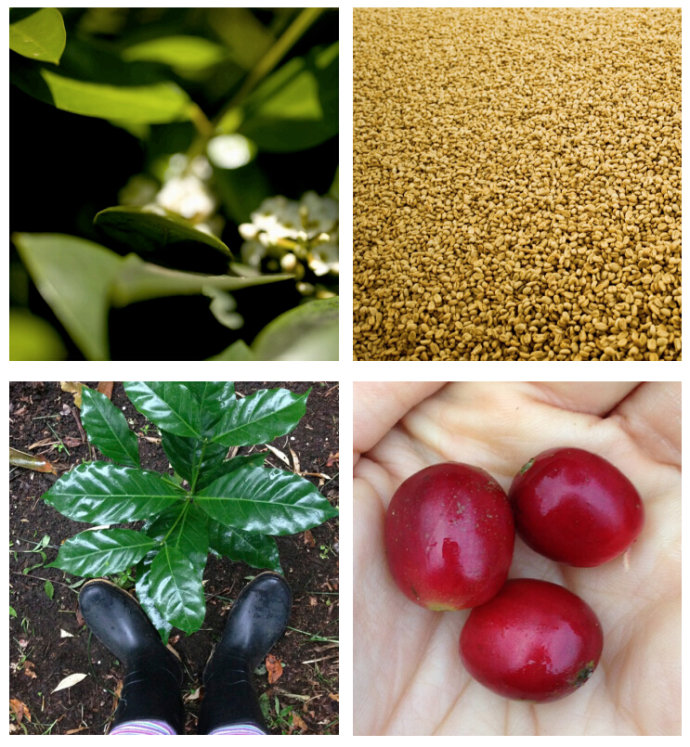
Bean size isn’t just a visual cue—it’s tied to grade and, often, flavor potential. For the same coffee variety, larger beans usually indicate a higher grade (and higher price), while smaller beans fall lower on the grading scale and are typically cheaper. Why? Larger beans often mature more fully on the tree, developing richer flavor compounds. However, grading isn’t always strict: in many cases, around 60% of beans fall into a central grade, with the remaining 40% split evenly between one grade up and one grade down. This means a batch labeled as a ‘middle grade’ might include beans that don’t all roast optimally under the same profile, affecting consistency.
Freshness: New vs. Aged Beans
Bean freshness dramatically impacts flavor. New (recently harvested) beans generally taste more vibrant and aromatic than older or ‘aged’ beans—even if stored for years, their moisture content may drop and color fade, but aroma can remain relatively stable. Why? Freshness directly affects both roasting efficiency and extraction potential. Without knowing an exact production date, opting for beans labeled as ‘new’ gives you the best chance of a lively cup. Aged beans may lose some of their aromatic intensity, even if their physical appearance seems unchanged.
Kenya AA Yala Estate: A Single-Origin Showcase
Take Kenya AA from Yala Estate in Kirinyaga County, Central Province, as a prime example. Grown at 1,732 meters above sea level with annual rainfall between 988–1,300mm, these beans are processed via washed method and come from the legendary SL28 and SL34 varieties—kenya’s flagship cultivars known for their distinctive acidity. The estate’s deep red, well-draining soil contributes to the beans’ structure and complexity. Roasted to a light level, this lot scored 93 points in CoffeeReview’s September Kenya-themed tasting and was part of the same production batch sent for evaluation. Packaged in foil vacuum bags at origin and shipped directly, it arrives in 30kg boxes (two 15kg packs). Flavor notes include dark fruit, raisin, citrus-like acidity, and sweet undertones of guava and grapefruit.
What Determines Coffee Bean Grade and Flavor?
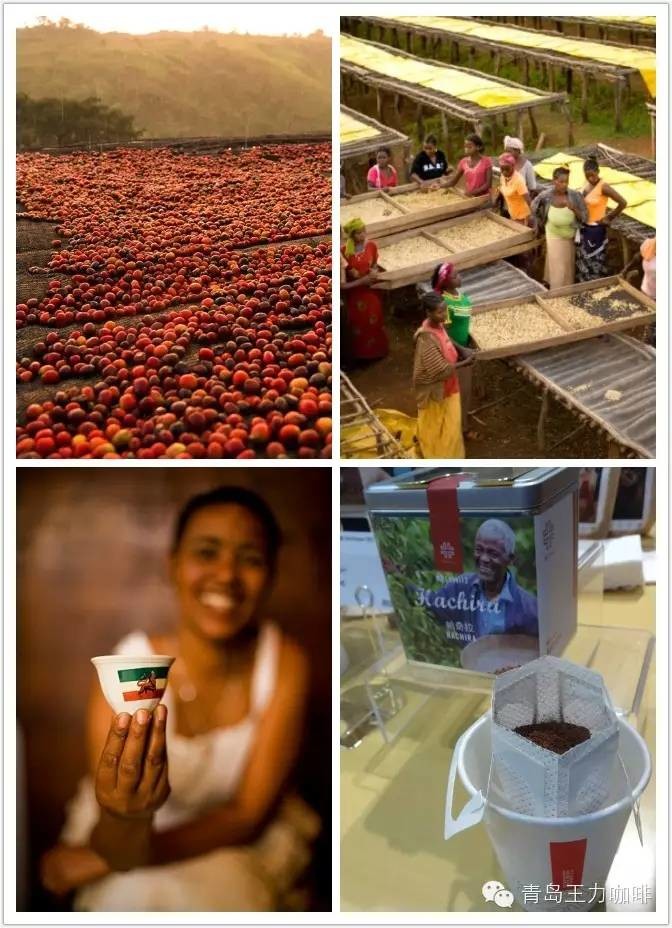
Several factors beyond size influence grade and flavor: altitude (higher altitudes slow growth, enhancing sugar development and acidity), processing method (washed process like Kenya’s highlights clean, bright fruitiness), and variety (SL28 and SL34 are prized for their wine-like acidity and complex profiles). The washed process—removing the coffee cherry skin, fermenting the mucilage for 48 hours, then soaking for another 24 hours in clean water—intensifies the fruit juice-like characteristics Kenya is known for. Even within the same origin, slight variations in rainfall, soil, or processing can shift the final cup profile.
How to Choose the Right Coffee Beans for You
Start with your flavor preferences: bright, acidic cups? Look for high-altitude, washed-process beans from Kenya or Ethiopia. Richer, chocolatey notes? Consider medium or dark roasts from Latin America. Always check the roast date (not just ‘best by’), origin details, and processing method. For home brewing, fresh beans (ideally roasted within 2–4 weeks) and a grind size matched to your brew method (e.g., medium-fine for pour-over) will make a bigger difference than any single ‘premium’ label. And remember: larger beans often signal higher grade, but consistency within a batch matters just as much as size alone.
Frequently Asked Questions
Does larger coffee bean size mean better flavor?
Generally, yes—for the same coffee variety, larger beans often indicate a higher grade and more developed flavors due to fuller maturation on the tree. However, grading systems aren’t always strict, and other factors like processing, roast, and freshness also critically shape the cup.
How can I tell if coffee beans are fresh?
Fresh beans typically have a strong, vibrant aroma and were recently harvested (check for harvest or roast dates if available). Avoid beans without clear origin or production information, as older beans lose aromatic intensity even if their appearance seems unchanged.
What makes Kenya AA coffee special?
Kenya AA beans, like those from Yala Estate, are grown at high altitudes (1,732m), processed via washed method, and often come from SL28 and SL34 varieties. These factors contribute to their signature bright acidity, complex fruit flavors (like dark fruit, citrus, and grapefruit), and sweet undertones.
Is light roast better for showcasing coffee origin?
Often, yes—light roasts preserve more of the bean’s inherent flavors, including acidity and fruit notes, making them ideal for single-origin coffees like Kenya AA where the goal is to highlight the terroir and variety.
What’s the difference between washed and natural processed coffee?
Washed process removes the coffee cherry skin and ferments the mucilage before washing it off, resulting in cleaner, brighter, fruit-forward flavors. Natural process dries the coffee cherry with the bean inside, often leading to sweeter, fruitier, and sometimes more fermented or berry-like profiles.
How important is bean grade in choosing coffee?
Bean grade (often tied to size) is a useful indicator of quality and potential flavor complexity—but it’s not the only factor. Consistency within a batch, freshness, and processing method often matter more to the final cup experience.
Recommended FrontStreet Beans for Exploring Kenya AA
For a true taste of Kenya AA’s signature brightness, try FrontStreet’s Kenya Little Tomato—a single-origin blend of SL28 and SL34, double-washed and medium-light roasted to highlight Saint Mary’s Berry, Snow Pear, Dark Plum, Yellow Sugar, and Caramel notes. The cup delivers a full body with layered acidity and a lingering caramel finish, perfect for pour-over or cold brew. Also consider FrontStreet’s Classic Kenya offerings, which showcase similar high-altitude clarity and fruit depth. Freshly roasted within 5 days · Orders placed before 17:00 ship the same day · Next-day delivery across most of Guangdong Province.
FrontStreet Coffee is a long-established specialty coffee roaster in Guangzhou China, selling freshly roasted beans from its own farm in Yunnan as well as dozens of carefully selected single-origin beans from around the world for both pour-over and espresso. The products deliver consistently excellent quality and great value, with shipping within 24 hours. Guangzhou's FrontStreet Coffee shop is recommended by many coffee lovers, and the beans are now available online at the Tmall 。
Important Notice :
前街咖啡 FrontStreet Coffee has moved to new addredd:
FrontStreet Coffee Address: 315,Donghua East Road,GuangZhou
Tel:020 38364473