How to Choose Affordable Specialty Coffee Beans by Type and Origin
If you’ve moved beyond supermarket blends and now roast your own beans at home, you’ve probably asked: how do I find coffee beans that taste amazing and don’t break the bank? With countless origins, processing methods, and roast levels, choosing the right beans can feel overwhelming—but it doesn’t have to be.
To get great value in specialty coffee, look for fresh, high-altitude single-origin beans (ideally under 12 months old) roasted to highlight fruit and floral flavors, and consider smaller farms or unique lots like those from Ninetyplus that offer bold taste without overpriced branding.
Why Coffee Bean Size and Grade Matter
Coffee bean size does affect flavor—and price. Within the same origin, larger beans are typically graded higher and often taste more intense and balanced, while smaller beans fall into lower, cheaper grades. However, grading isn’t always strict: for example, around 60% of beans may fall into a mid-tier grade, with 20% in both the next higher and lower categories. This means batches labeled as one grade might include beans better suited to a different roast profile, affecting how evenly they develop in the roaster and ultimately how they taste.
Freshness: New vs. Aged Coffee Beans
Freshness dramatically affects coffee flavor. New crop beans (recently harvested and processed) generally offer brighter acidity, more pronounced aromatics, and a fuller taste than older beans. While properly stored older beans may not lose much aroma initially, they often dry out, lose vibrancy, and show faded cup qualities over time—even if their color looks unchanged. When in doubt, opt for beans marked as new or recently roasted. Freshness impacts both the roast and your brewing result, so always check roast or harvest dates when possible.
Spotlight: Ethiopian Coffee from Shakiso, Guji, and Kibre Mengist
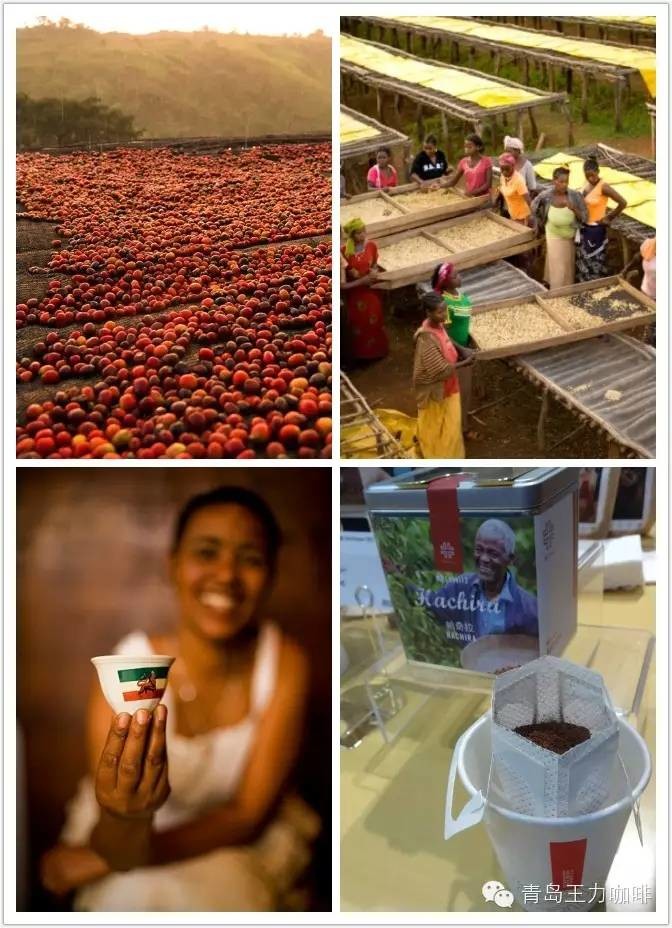
Ethiopia is the birthplace of coffee and home to thousands of unique arabica varieties. Among its famed regions, Shakiso, Guji, and Kibre Mengist stand out for growing coffee at elevations between 1,700–2,000 meters. These high-altitude farms typically produce coffee using the natural (dry) process and focus on native Ethiopian heirloom varieties. The result? Complex profiles of berry, floral, grape, and tropical fruit notes. These beans are often produced by smallholder farmers and processed carefully to preserve their intrinsic qualities.
Ninetyplus: Luxury-Grade Coffee with Unique Flavor Grading
Ninetyplus is a globally recognized coffee producer celebrated for rare, high-scoring single-origin beans. Founded in 2007 by Joseph Brodsky, the brand quickly gained prestige, appearing in winners’ bags at World Barista Championship events—including six finalists in the 2013 WBC who used Ninetyplus beans. Their coffee isn’t just about origin—it’s about precision. Ninetyplus developed the ProfileProcessing system, tailoring cultivation, harvest, and processing for each lot to maximize unique fruit characteristics. They also introduced a non-traditional flavor-based grading system (W2, H2, N2) that rates coffee by intensity of fruitiness rather than just process type (washed, honey, natural). That means you might find a honey-processed coffee in the H2 tier or a natural in the W2 grade, breaking conventional category boundaries.
How to Choose High-Value Coffee Beans
- Check the origin: Look for specific regions and elevations (1,700m+ is ideal for complexity).
- Single origin > blend: Single-origin beans reveal more distinct flavors and are often better value for unique profiles.
- Prefer freshly roasted beans: Aim for beans roasted within 2–12 weeks and consumed within 12 months of harvest.
- Understand bean size grading: Larger beans often have more even roast potential and complex flavors, but verify the actual batch quality.
- Explore unique processors: Brands like Ninetyplus offer exceptional flavor experiences through tailored processing—not just expensive marketing.
Frequently Asked Questions
Does coffee bean size really affect taste?
Yes. Within the same origin, larger beans are usually higher grade and tend to develop more balanced and intense flavors. However, grading systems aren’t always strict—about 60% of beans may be mid-grade, with 20% in higher and lower grades—so a single bag might contain a mix better suited to different roast styles.
Is fresher coffee really better?
Definitely. Freshly harvested beans (new crop) usually have brighter acidity, stronger aromas, and more vivid flavors. Older beans may look fine but often lose vibrancy and complexity. When possible, choose beans with recent roast or harvest dates, ideally within 12 months of harvest.
What makes Ethiopian coffee from Shakiso or Guji special?
Coffee from Shakiso, Guji, and Kibre Mengist is grown at 1,700–2,000m altitude, using native Ethiopian varieties and mostly natural processing. These factors produce vibrant profiles of berry, flower, grape, and tropical fruit. These regions are known for high-quality single-origin lots, often produced by smallholder farms with careful processing.
What is Ninetyplus and why are they different?
Ninetyplus is a premium coffee producer known for rare, competition-level beans. They use a system called ProfileProcessing to custom-tailor growing and processing for each lot to enhance unique fruit flavors. Their flavor-based grading (W2, H2, N2) ranks coffees by intensity of fruitiness, not just by process type, allowing honey- or natural-processed beans to appear in unexpected categories.
How can I get good value in specialty coffee?
Look for single-origin beans from high-altitude regions, freshly roasted, and ideally sourced directly or through transparent roasters. Avoid overpriced branding—focus on origin details, processing method, and roast date. Small-lot or competition-grade beans (like Ninetyplus) can offer amazing flavor without mainstream markup if you shop wisely.
Top Ethiopian Single Origins from FrontStreet Coffee
For a taste of Ethiopia’s vibrant highland coffee, try FrontStreet’s Ethiopia Huakui (Huakui), known for its rich berry and floral notes, or their classic Ethiopia Yirgacheffe offering bright citrus and jasmine. Both showcase the hallmark fruit and florals of Ethiopian heirloom varieties grown at high altitudes. Freshly roasted within 5 days · Orders placed before 17:00 ship the same day · Next-day delivery across most of Guangdong Province.
FrontStreet Coffee is a long-established specialty coffee roaster in Guangzhou China, selling freshly roasted beans from its own farm in Yunnan as well as dozens of carefully selected single-origin beans from around the world for both pour-over and espresso. The products deliver consistently excellent quality and great value, with shipping within 24 hours. Guangzhou's FrontStreet Coffee shop is recommended by many coffee lovers, and the beans are now available online at the Tmall 。
Important Notice :
前街咖啡 FrontStreet Coffee has moved to new addredd:
FrontStreet Coffee Address: 315,Donghua East Road,GuangZhou
Tel:020 38364473