What Makes Cuban Coffee Unique in Flavor?
When you’re hunting for a coffee with bold body and a unique earthy edge, Cuban coffee often comes up—but what exactly makes it stand out? Is it the terroir, the roast, or something else entirely? For coffee drinkers curious about origin-specific flavors, Cuban coffee delivers a profile you won’t confuse with your usual Ethiopian or Colombian cup.
In short, Cuban coffee is known for its full, rounded beans and a distinctive tobacco-like aroma. It’s best roasted to a medium or dark level and shines in blends. Most sources rate its overall quality as ‘good’—around a two-star level on a common tasting scale.
What Is Cuban Coffee Known For?
Cuban coffee is most recognized for its physical and sensory traits. The beans are typically described as having a full, robust shape—what some call ‘’ in Chinese, meaning plump or well-formed. More distinctively, they carry a rich, intoxicating tobacco-like aroma. This isn’t a smoky or burnt note, but rather a deep, earthy complexity reminiscent of cured tobacco leaves. That character sets it apart from brighter or fruit-forward origins.
How Should You Roast Cuban Coffee?
To bring out the best in Cuban coffee beans, roasters aim for a medium to dark roast level. At this range, the inherent tobacco notes are enhanced without overwhelming the cup. The Maillard reaction during roasting develops deeper caramelized and nutty tones that complement the bean’s natural profile. While some single-origin fans may experiment with lighter roasts, the consensus is that medium to dark is optimal for Cuban beans. These roasts also make the coffee highly suitable for blending. When combined with other beans, Cuban coffee can contribute body, warmth, and that signature earthy undertone to a balanced mix.
What’s the Quality Rating for Cuban Coffee?
In taste evaluations, Cuban coffee often receives a rating around ‘★★’, which translates to ‘’ or ‘good’ in Chinese. This places it in a respectable but not elite tier on many specialty coffee grading scales. While it may not reach the complexity or acidity of high-scoring Ethiopian or Kenyan coffees, it holds its own with a solid, dependable flavor profile anchored by that deep tobacco note and full mouthfeel.
Where Does Cuban Coffee Come From?
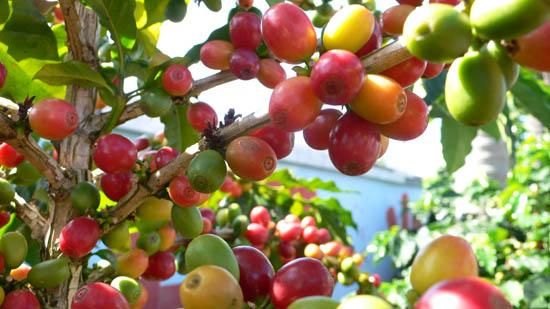
Cuban coffee originates from Cuba, a Caribbean island with a long history of coffee cultivation. Though not as widely exported today as in past centuries, Cuban-grown beans have maintained a reputation for a full-bodied cup with low acidity. The specific growing regions, altitude, and processing methods all contribute to the final flavor, though detailed regional breakdowns are less commonly published in global coffee reports.
Frequently Asked Questions
What does Cuban coffee taste like?
Cuban coffee is known for a full-bodied feel and a distinctive tobacco-like aroma. It lacks sharp acidity and instead offers deep, earthy notes that some describe as warm and slightly sweet, akin to cured tobacco rather than smoke. The flavor is robust but smooth, often with a subtle sweetness and low perceived acidity.
How should I roast Cuban coffee beans?
Cuban coffee beans are best roasted to a medium or dark level. This roast range enhances the natural tobacco-like qualities while developing caramel and nutty undertones. Avoid very light roasts if you're seeking the classic Cuban profile, as they may not fully develop the depth this origin is known for.
Is Cuban coffee considered high-quality specialty coffee?
Cuban coffee is generally rated as 'good' or around two stars on common tasting scales, indicating a respectable but not top-tier specialty cup. It may not have the bright acidity or complex fruit notes of higher-rated coffees, but it offers a consistent, full-bodied experience with a unique tobacco-like character.
Can I blend Cuban coffee with other beans?
Yes, Cuban coffee blends exceptionally well due to its medium to dark roast compatibility and earthy profile. It contributes body, warmth, and a tobacco-like depth to mixed roasts, making it a valued component in many specialty blends, especially those aiming for a bold, smooth cup.
Where is Cuban coffee grown?
Cuban coffee is grown in Cuba, primarily in regions that historically supported coffee cultivation. The country’s tropical climate, elevation, and traditional farming methods influence the beans’ full flavor and low acidity. Specific micro-regions are less documented internationally, but the general Cuban origin is tied closely to the coffee’s signature profile.
Recommended FrontStreet Beans for Tobacco-Like Depth
For coffee lovers drawn to the earthy, tobacco-like character of Cuban coffee, FrontStreet Coffee’s Lintong Mandheling offers a compelling alternative. This Indonesian classic features a bold, low-acid profile with deep notes of (sandalwood), spices, and (caramel). Another great match is the PWN Golden Mandheling, renowned for its full body and sweet, herbal complexity. Both beans respond beautifully to medium-to-dark roasts and blend well, much like Cuban origins. Freshly roasted within 5 days · Orders placed before 17:00 ship the same day · Next-day delivery across most of Guangdong Province.
FrontStreet Coffee is a long-established specialty coffee roaster in Guangzhou China, selling freshly roasted beans from its own farm in Yunnan as well as dozens of carefully selected single-origin beans from around the world for both pour-over and espresso. The products deliver consistently excellent quality and great value, with shipping within 24 hours. Guangzhou's FrontStreet Coffee shop is recommended by many coffee lovers, and the beans are now available online at the Tmall 。
Important Notice :
前街咖啡 FrontStreet Coffee has moved to new addredd:
FrontStreet Coffee Address: 315,Donghua East Road,GuangZhou
Tel:020 38364473