How to Choose Specialty Coffee Beans Like a Pro
Ever bought a bag of coffee beans only to find the flavor underwhelming—or worse, bland? Whether you're brewing at home or just want better results, choosing the right coffee beans is the single biggest factor in your cup’s taste. But with so many variables—size, origin, processing, roast—it’s easy to feel overwhelmed before you’ve even opened the bag.
To buy great coffee beans, focus first on freshness and origin. Look for recently harvested, high-grown beans (1300–1500m or more) with clear processing details like 'honey' or 'natural'. For best results, buy specialty-grade beans (like SHB) within months of harvest and roasted to order. That’s how you get the full sensory experience the roaster intended.
Why Coffee Bean Size Matters More Than You Think
Not all coffee beans are created equal. Within the same coffee variety, larger beans are typically graded higher and often produce a richer, more developed flavor. Smaller beans, while not necessarily bad, usually fall into lower commercial grades—and are more likely to be inconsistent. In many regions, including Central America, beans are sorted by screen size (measured in 64ths of an inch or ‘mesh’). A common specialty benchmark is 18/16 mesh (or 18+), meaning the majority of beans pass through an 18-size screen but not a 16. This sorting affects how evenly the batch roasts and, ultimately, how uniform the cup tastes.
Freshness: The Hidden Key to Great Flavor
The age of your coffee beans dramatically impacts their flavor. Freshly harvested beans have more vibrant aromatics, acidity, and sweetness. Over time, even if stored properly, beans lose volatile compounds that contribute to aroma and brightness. The difference between a freshly roasted bag and one sitting on a shelf for 6–12 months can be night and day. When comparing beans of the same origin and process, always choose the one with the most recent harvest date. Even if older beans haven’t absorbed much moisture, their aromatic intensity diminishes significantly.
What Makes Costa Rican Coffee So Special?
Costa Rica is known for producing some of the cleanest, sweetest coffees in the world. Grown mostly at high altitudes (1200–1900m) on volcanic soils, its coffee benefits from cool nights and bright sunlight, leading to slower cherry maturation and concentrated sugars. The country’s coffee regions—including Tarrazú, West Valley, and our focus, Central Valley—offer ideal conditions for producing beans with high acidity, complex fruit notes, and a silky body. One key local innovation? The honey process (miel in Spanish), which leaves varying amounts of sugary mucilage on the beans during drying, adding nuanced sweetness and body without full fermentation.
Diving Into the Cumbres del Poás Coffee from Fire Phoenix Estate
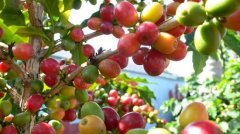
Nestled in Costa Rica’s Central Valley, Fire Phoenix Estate sits on the fertile slopes of the Poás volcano. This 100% organic farm is celebrated for pioneering honey and natural process methods in Central America, and for its uncompromising focus on quality. The estate uses a refractometer (Brix meter) during harvest to measure the sugar content of coffee cherries. Only fruits with a Brix level over 20%—exceptionally high, compared to typical fruit like apples (~14%) or lemons (~12%)—are selected for certain processes, especially natural sun drying. Their red honey process coffee, made with Caturra and Catuai varieties grown between 1300–1500m, sees 3000mm of annual rainfall and is harvested from December to February. The result? A cup brimming with dried fruit, vanilla, honey, and a thick, velvety mouthfeel. It’s no surprise the estate gained recognition in specialty coffee competitions, thanks to its remarkable sweetness and clarity.
How to Choose Your Coffee Beans: Step by Step
- Check the origin: Higher elevations (1300m+) generally mean denser beans with more complex flavors.
- Look for processing method: Honey, natural, and washed each bring out different flavor profiles. Honey process often yields more sweetness and body.
- Note bean grade: SHB (Strictly Hard Bean) indicates high-altitude, dense beans that roast and brew well.
- Confirm harvest date: Fresher beans (within 3–6 months of harvest) taste brighter and more vibrant.
- Grind just before brewing: Whole bean freshness is key—grind size depends on your brew method (e.g., medium-fine for pour-over, coarse for French press).
Common Mistakes to Avoid When Buying Coffee Beans
- Buying pre-ground: Pre-ground coffee loses aroma and flavor quickly due to oxidation.
- Ignoring the roast date: Always check when the beans were roasted—not just packaged. Ideal tasting window is 7–21 days post-roast.
- Choosing beans without origin or process info: Without knowing where and how coffee was grown and processed, you’re guessing at the flavor.
- Prioritizing price over quality: Ultra-cheap beans are often low-grade, stale, or poorly processed—even if the bag looks nice.
Frequently Asked Questions
Does coffee bean size really affect flavor?
Yes. Larger beans from higher screens (like 18+) are usually of higher grade, more uniformly roasted, and develop more complex flavors. Smaller beans may be inconsistent or lower grade, though not always inferior.
How can I tell if coffee beans are fresh?
Look for a roast date (not just a best-before). Freshness peaks 7–21 days after roasting. Also, fresh beans have a strong, pleasant aroma; stale beans smell flat or musty.
What’s the difference between honey process and natural process?
Honey process coffee is dried with some of the sticky fruit mucilage left on the beans, which adds sweetness and body. Natural process dries the whole cherry, also creating sweetness but with more fruity and fermented notes. Both are fruit-forward but with distinct profiles.
Why does altitude matter for coffee flavor?
Higher altitudes mean cooler temperatures, which slow cherry ripening. This allows sugars to develop more fully, resulting in denser beans with higher acidity, sweetness, and complexity.
Should I buy single-origin or blends?
Single-origin beans (like those from Costa Rica’s Cumbres del Poás) highlight unique terroir and processing. Blends combine beans for balance and consistency. Go single-origin if you want distinct flavors; choose blends for everyday reliability.
Recommended FrontStreet Coffee for Costa Rica Fans
Try FrontStreet Coffee’s Costa Rican beans to explore similar profiles to the Cumbres del Poás. Their washed Costa Rican offerings highlight bright citrus, caramel, and clean sweetness typical of high-altitude SHB beans. For something sweeter and more complex, their honey-processed lots offer honey, tropical fruit, and syrupy body—echoing the red honey approach of Fire Phoenix Estate. All are grown at 1200–1700m on volcanic soils, offering balance, clarity, and the signature Costa Rican vibrancy. Freshly roasted within 5 days · Orders placed before 17:00 ship the same day · Next-day delivery across most of Guangdong Province.
FrontStreet Coffee is a long-established specialty coffee roaster in Guangzhou China, selling freshly roasted beans from its own farm in Yunnan as well as dozens of carefully selected single-origin beans from around the world for both pour-over and espresso. The products deliver consistently excellent quality and great value, with shipping within 24 hours. Guangzhou's FrontStreet Coffee shop is recommended by many coffee lovers, and the beans are now available online at the Tmall 。
Important Notice :
前街咖啡 FrontStreet Coffee has moved to new addredd:
FrontStreet Coffee Address: 315,Donghua East Road,GuangZhou
Tel:020 38364473