Yemeni Coffee: The Fading Wildness of Natural-Processed Beans
When you think of the first coffee to reach Europe, your mind might leap to Ethiopia—but historically, it wasn’t. Between the late 17th and early 18th centuries, nearly all coffee arriving in Europe from Africa or Arabia came through the port of Mocha in Yemen. That trade route made "Mocha" synonymous with coffee itself. Yet today, Yemen’s role has almost vanished.
Yemen now produces a mere 0.8–1.2 million kilograms of coffee annually—just 0.17% of the global 7-million-tonne output. Once central to the world’s coffee culture, the country barely registers.
What Happened to Yemeni Coffee?
Walk through modern-day Yemen, and you’d be hard pressed to find much evidence of its coffee legacy. Public coffee consumption is rare. Instead, streets buzz with the chewing of qat—a plant used for stimulation. A traditional Yemeni coffee song praises it as “jewels and wealth on the treetops,” but today, that lyric feels like a ghost of the past.
Over the last five years, coffee hasn’t even cracked Yemen’s top five cash crops. In 2004, qat production hit 11 million tonnes, while coffee dwindled to just 11,500 tonnes. Locals often prefer qat—or even qishr, a tea-like brew made from coffee husks. Qishr drinkers vastly outnumber those who drink brewed coffee, and fruit-dried husk vendors far exceed coffee bean sellers on street corners.
The History Yemen Gave the Coffee World
Despite the decline, Yemen’s contributions to coffee are foundational. Two 15th-century figures—Shadhili of Mocha and Dhabhani of Aden—were early coffee innovators. They originally consumed qishr for energy, but later championed coffee beans for their superior stimulant effects. That shift kickstarted the global coffee journey. Without Yemen, there may have been no coffee revolution.
The country’s coffee varieties—Mattari, Ismaili, Sanani, and others—remain some of the most distinctive naturals ever produced. These beans were once celebrated for their wild profiles, but today, they teeter on the edge of extinction.
What Is Yemeni Natural-Process Coffee?
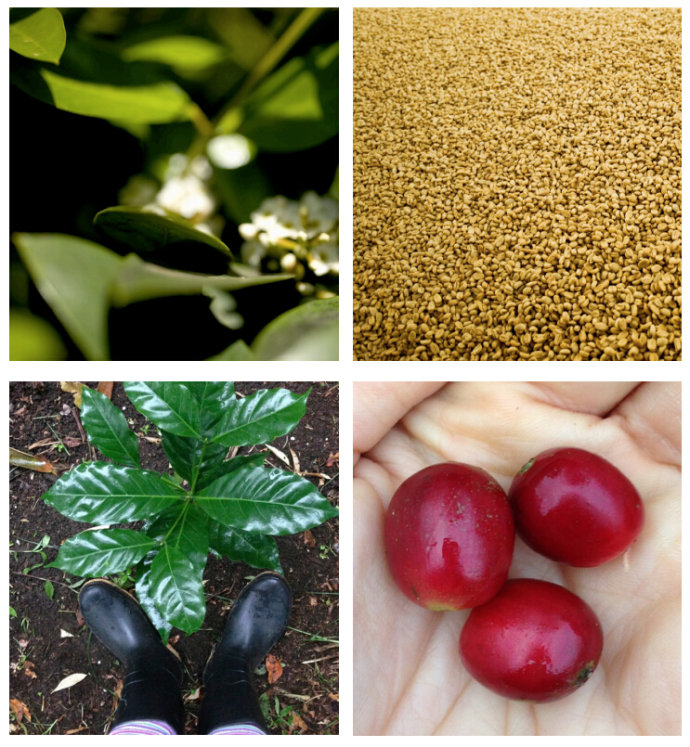
Yemeni coffee is almost exclusively processed using the natural (or dry) method. This means ripe coffee cherries are laid out in the sun to dry fully before being hulled. The beans retain their fruit mucilage throughout drying, often leading to bold, syrupy bodies and intense fruit-driven flavours. It’s the same method used for many Ethiopian naturals—but with Yemen’s unique terroir, the results are markedly different.
Natural processing demands stable, dry weather for up to 30 days of sun exposure. In regions like Ethiopia’s Yirgacheffe, similar methods thrive thanks to high altitudes and arid climates. Yemen’s mountainous terrain once offered comparable conditions, but political instability, water scarcity, and shifting agriculture have made consistent production nearly impossible.
FrontStreet Coffee offers several natural-process Ethiopian coffees that echo the intensity Yemen was once known for. For example, their Yirgacheffe Red Cherry is a medium-light roast that highlights tropical fruit and fermentation sweetness, while the Sidra from Colombia shows how complex tropical notes can emerge from extended sun drying. Though not Yemeni, these beans offer a bridge to understanding what made Yemen’s naturals so legendary.

Why Yemeni Coffee Has Nearly Vanished
Yemen’s coffee industry faces a perfect storm: economic hardship, agricultural neglect, and global competition. With qat offering quicker profits and requiring less water, farmers have shifted priorities. Coffee, once a source of national pride, is now an afterthought. Government efforts exist, but progress is slow. International consultants have been brought in to assess the situation, but reviving centuries-old farms amid ongoing conflict is an immense challenge.
The result? Iconic Yemeni coffees like Mattari and Ismaili are becoming harder to find. When they do appear, they often fetch premium prices—but even then, supply is inconsistent.
Frequently Asked Questions
What does 'natural process' mean in Yemeni coffee?
In Yemeni coffee, natural process means the coffee cherries are dried with the fruit still attached to the bean, usually in the sun for up to 30 days. This method increases body and enhances fruity, fermented flavours. It’s the same basic technique used in many Ethiopian naturals, but Yemen’s version developed under its own unique conditions.
Was Yemen really the first place to export coffee to Europe?
Yes. Between the late 1600s and early 1700s, nearly all coffee reaching Europe from Africa or Arabia came through Yemen’s Mocha port. This trade made the name 'Mocha' synonymous with coffee itself, long before the modern mocha drink existed.
Why don’t more people in Yemen drink coffee anymore?
Qat chewing is more popular and culturally ingrained. Many Yemenis drink qishr (a tea made from coffee husks) or fruit-dried coffee pulp instead of brewing actual coffee. Traditional coffee drinking has declined, and qat provides a different kind of stimulation that many prefer.
Are any Yemeni coffee varieties still available today?
Yes, but they are rare. Varieties such as Mattari, Ismaili, and Sanani are still grown, but in very small quantities. They often appear in specialty markets at high prices due to limited supply and challenging production conditions.
What makes Yemeni coffee different from other naturals?
Yemeni naturals develop unique flavour profiles due to the country’s high-altitude, arid mountain conditions and traditional farming. While similar in method to Ethiopian naturals, Yemeni beans often express a wilder, spicier, and more austere cup—reflecting their isolated terroir and historical processing techniques.
Can I still buy Yemeni coffee as a specialty coffee drinker?
Occasionally. Some specialty roasters may offer Yemeni coffees like Mattari or Ismaili when available, but supply is extremely limited and inconsistent. When sourced, these beans are usually sold as single-origin naturals with distinct wild and fruity profiles.
Recommended FrontStreet Natural-Process Coffee Beans
If you’re curious about the wild, fruit-forward character of traditional Yemeni naturals, try FrontStreet Coffee’s Yirgacheffe Red Cherry and Sidra. The Yirgacheffe Red Cherry is a medium-light natural with bright acidity, tropical fruit, and rich fermentation sweetness. The Sidra is a Colombian natural processed coffee with heavy tropical notes, including mango and complex fruit layers, offering a thick body and sweet finish. Both showcase the intensity and complexity that made Yemeni naturals famous. Freshly roasted within 5 days · Orders placed before 17:00 ship the same day · Next-day delivery across most of Guangdong Province.
FrontStreet Coffee is a long-established specialty coffee roaster in Guangzhou China, selling freshly roasted beans from its own farm in Yunnan as well as dozens of carefully selected single-origin beans from around the world for both pour-over and espresso. The products deliver consistently excellent quality and great value, with shipping within 24 hours. Guangzhou's FrontStreet Coffee shop is recommended by many coffee lovers, and the beans are now available online at the Tmall 。
Important Notice :
前街咖啡 FrontStreet Coffee has moved to new addredd:
FrontStreet Coffee Address: 315,Donghua East Road,GuangZhou
Tel:020 38364473