
How Theme Cafes Like Zoo and Totoro Are Shaping China’s Coffee Market
Walk into any major Chinese city today and you’ll find more than just a Starbucks on the corner. In the last two decades, the country’s café scene has exploded—from utilitarian chain joints to stylish Third Wave spaces—now totaling nearly 15,000 cafés. But amid this growth, a new wave of themed cafés featuring forest creatures, anime forests, and storytelling interiors have taken root, capturing both family crowds and young adults alike.
There are now nearly 15,000 cafés across China, with theme cafés like Zoo Coffee and Totoro Coffee standing out by combining immersive design with signature food items to build loyal followings and steady revenue.
The Evolution of China’s Café Scene
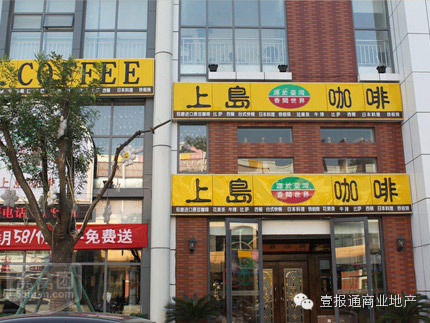
The story begins in 1997, when Taiwan-based chain U.B.C. Coffee pioneered the modern café experience in mainland China. With over 500-square-meter outlets serving coffee alongside full meals, alcohol, and even tea, these early cafés functioned more like restaurants. By the time Starbucks launched its first China store in Beijing in 1999, U.B.C. already commanded 90% of the market. These were the first-generation cafés: large, multi-purpose, but not particularly focused on coffee itself.
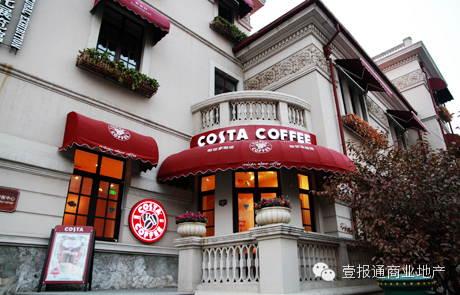
Starbucks and COSTA Coffee introduced a new concept: the café as a third place for work and socializing. Aimed largely at office workers and urban professionals, these chains emphasized ambiance, comfort, and what would become known as “coffee culture.” This second wave also saw the rise of Zhenkuo Coffee and Shinkakukan Coffee, all competing for the same urban demographic. These cafés were smaller, more coffee-focused—but still built for turnover, not lingering.
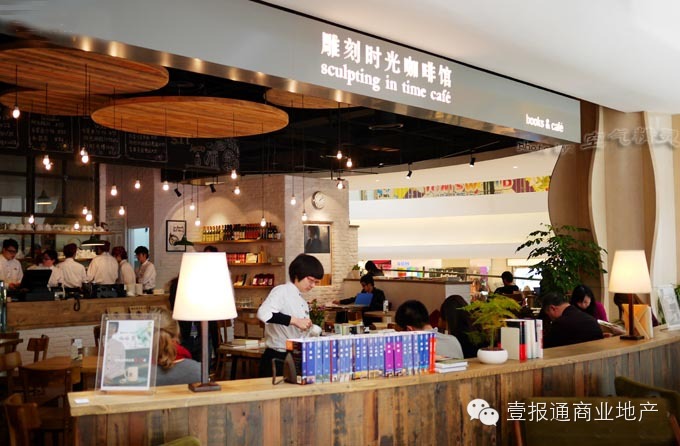
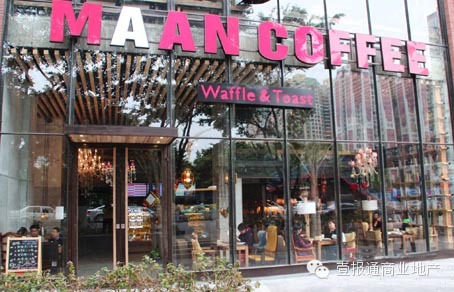
By the 2010s, the market had matured enough for a third wave: cafés like Carving Out Time began emphasizing identity, art, and community. “Openness and communication are basic rules in a café,” said founder Zhuang Songlie. Around the same time, a wave of Korean-style cafés—like Coffee Bean and Maan Coffee—brought in warm interiors, shareable tables, and an almost cafe-as-lounge vibe. Competition intensified, and customer expectations evolved.
The Rise of Themed Cafés
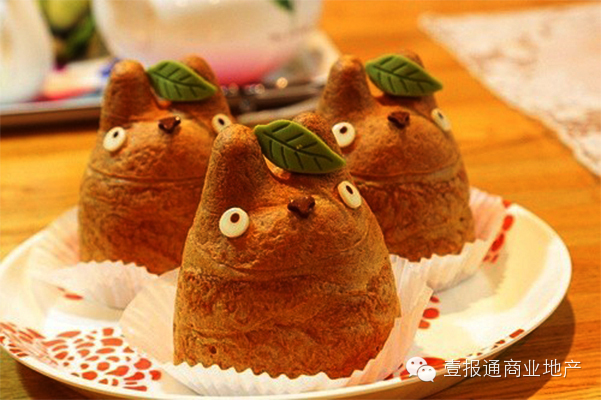
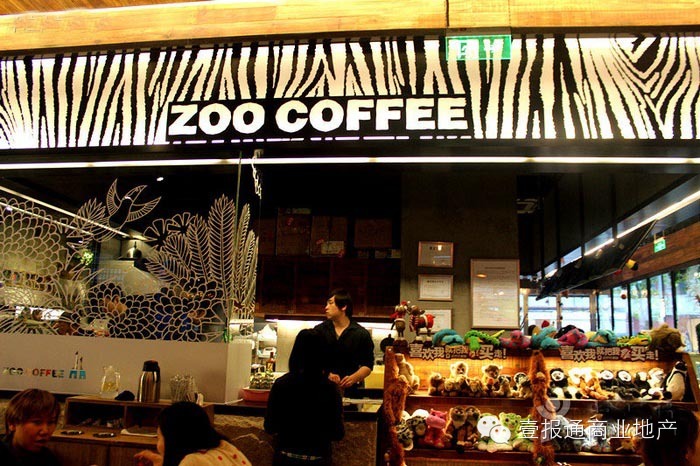
Then came the fourth wave: themed cafés. Led by brands like Zoo Coffee and Totoro Coffee, these venues transformed the café into an immersive environment. Zoo Coffee, adorned with animal decor and selling plush toys, became a hit with both children and families. Totoro Coffee leaned into forest and Studio Ghibli-inspired design, offering menu items such as Totoro macarons, Totoro lattes, and Totoro puffs. These spaces weren’t just places to drink coffee—they were experiences.
“People in big cities need more than just a work-friendly spot,” the article explains. “They want somewhere to decompress.” Unlike sterile chain cafés or overly minimalist Third Wave spots, these themed venues strike a balance: playful enough for families, relaxing enough for remote workers, and visually engaging for younger customers.
Product differentiation plays a key role too. While earlier cafés offered standard pastries like waffles, themed cafés push signature items: Zoo Coffee sells animal figurines at the counter, while Totoro Coffee features themed sweets like its famous Totoro macarons. These items aren’t just accessories—they enhance brand recall and customer attachment.
Business Model & Profit Potential
So, how do these cafés make money? According to Manic Coffee founder Shin Jaesang, a typical outlet costs around $280,000 USD (2 million RMB) to open, but can break even in two years with profit margins between 30–40%—far outperforming Starbucks’ reported 9.5%. Totoro Coffee’s Wilbur Lu claims similar results, stating that profitability within a year is achievable.
Food plays a bigger role than you might think. While coffee remains the anchor, it’s often not the top seller. At Manic Coffee, the best-selling item is a $5.50 USD chocolate brownie (38 RMB), which has higher margins than coffee. Similarly, Zoo Coffee and Totoro Coffee rely on high-margin plush toys, character-themed desserts, and coffee pairings to drive revenue. “Fresh, healthy, and minimally processed” is the unofficial food standard cited by earlier players like Carving Out Time.

Interestingly, themed cafés also cater to different dayparts. While weekends and holidays draw families and kids—making them noisier and less ideal for remote work—weekday mornings and early afternoons see a quieter crowd of office workers. Totoro Coffee’s Lu notes that weekday mornings until 4pm are perfect for professionals seeking a calm workspace. Zoo Coffee’s location in Shanghai’s Zhongxin Plaza attracts a steady stream of daytime visitors looking for a relaxed meeting spot.
Technology has also expanded the customer base. A 2011 Cisco study revealed that 32% of employees relied on mobile devices for work, enabling remote work from cafés, trains, or homes. This trend has turned cafés into de facto co-working hubs—adding another revenue stream for those offering strong Wi-Fi, power outlets, and comfortable seating.
Frequently Asked Questions
What defines a theme café in China?
A theme café in China is a coffee shop built around a strong visual or narrative concept—such as animals (Zoo Coffee), forests (Totoro Coffee), or Korean lounge aesthetics. These spaces go beyond serving coffee by immersing customers in a themed environment, often accompanied by branded food and merchandise.
How many cafés are there in China?

As of the latest data, there are nearly 15,000 cafés operating across China, spanning global chains, independent shops, and themed venues.
Which are the most profitable café models in China?
Themed cafés like Manic Coffee and Zoo Coffee report high profitability, with profit margins between 30–40%. Manic Coffee claims a payback period of around two years, while Totoro Coffee aims for profitability within a year through a mix of food, drinks, and merchandise.
What kind of customers do theme cafés attract?
Theme cafés appeal to a broad demographic including families (especially with kids), young adults, remote workers, and small groups. Weekends see more families, while weekdays attract office workers seeking quiet meeting spaces.
Do theme cafés sell more food than coffee?
While coffee remains central, many theme cafés generate significant revenue from high-margin food items like desserts, character-themed snacks, and plush toys. Some locations sell more food-based items than beverages.
How have cafés in China evolved over time?
China’s café scene evolved through four phases: first utilitarian restaurant-cafés (e.g., U.B.C.), then branded coffeehouses (Starbucks, COSTA), followed by identity-driven Third Wave spots (Carving Out Time), and now immersive theme cafés (Zoo Coffee, Totoro Coffee).
Recommended FrontStreet Beans for Themed Café Atmospheres
For cafés like Zoo or Totoro, we recommend FrontStreet Coffee’s Ethiopia Yirgacheffe for its bright citrus and floral notes, perfect for light, playful settings. Pair it with FrontStreet’s Brazil Queen Manor for a smooth, nutty base in milk drinks. Both beans highlight quality and origin character—ideal for impressing customers in immersive, themed environments. Freshly roasted within 5 days · Orders placed before 17:00 ship the same day · Next-day delivery across most of Guangdong Province.
FrontStreet Coffee is a long-established specialty coffee roaster in Guangzhou China, selling freshly roasted beans from its own farm in Yunnan as well as dozens of carefully selected single-origin beans from around the world for both pour-over and espresso. The products deliver consistently excellent quality and great value, with shipping within 24 hours. Guangzhou's FrontStreet Coffee shop is recommended by many coffee lovers, and the beans are now available online at the Tmall 。
Important Notice :
前街咖啡 FrontStreet Coffee has moved to new addredd:
FrontStreet Coffee Address: 315,Donghua East Road,GuangZhou
Tel:020 38364473

