How to Visually Identify Coffee Roast Levels Step-by-Step
Ever held a bag of freshly roasted coffee and wondered: is this a light, medium, or dark roast? Roast level isn’t just about color—it’s also about sound, smell, and timing. But relying on looks alone can mislead you, especially with certain beans like Sumatra or Kenyan coffees that roast darker than expected. Here’s how pros really tell roast levels.
The fastest way to judge roast level is by watching the roast color, listening for the first and second cracks, and noting the roast aromas—but visual cues alone are limited. For accuracy, combine color (from light brown to nearly black), crack timing (first at ~401°F/205°C, second around 446°F/230°C), and fragrance shifts (grass to bread to toast to carbon).
Why Visual Roast Judgement Isn’t Enough Alone
Judging roast level by eye only works up to a point. Many factors affect bean color—like origin, processing method, and bean density. For example, a Sumatra roasted to second crack might look like a City roast, and some Kenyan or Saint Helena beans appear darker than they truly are. Natural-processed beans often roast unevenly, making color judgment unreliable. None of this affects cup quality—the real test is how the coffee tastes, not how it looks.
What Actually Determines Roast Quality
The goal of a “good” roast isn’t a specific color—it’s maximizing the coffee’s inherent traits, especially origin characteristics. City roast levels (around first crack) often highlight origin flavors better than darker roasts, which can mask terroir with “roast character.” Over-roasted coffee (approaching French or carbon roast) loses origin flavor entirely. Dark roasts create boldness, but at the cost of the coffee’s unique profile.
How to Track Roast Progression by Sight, Sound, and Smell
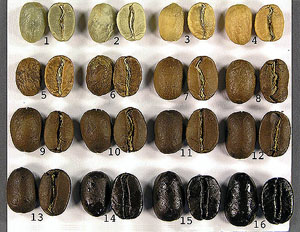
This guide uses a Probat 12kg roaster with sample rods, so temperatures are approximate for other machines. Time stamps are less important than temperature ranges and physical changes. Focus on: 1) roast color, 2) surface texture, 3) crack sounds, and 4) aroma shifts. Below is a step-by-step visual guide with exact temperatures.
1. Raw Green Bean – 0:00 – 75°F (23°C)
Unroasted beans. Mixed lot, colors vary.
2. Starting to Pale – 4:00 – 270°F (132°C)
Beans start losing green hue. No visible expansion yet.
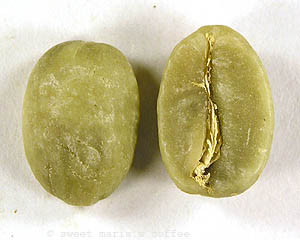
3. Early Yellowing – 6:00 – 327°F (164°C)
Moist grassy smell. No physical expansion; heat absorption phase.
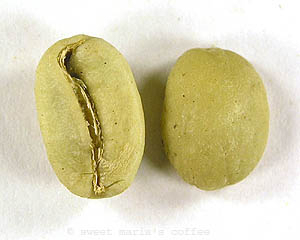
4. Brown-Yellow Stage – 6:30 – 345°F (174°C)
Beans turn yellow-brown. Marble patterns appear. Slight wheat-like aroma.

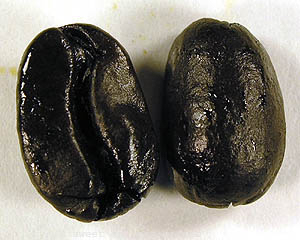
5. Light Brown – 8:00 – 370°F (188°C)
Nearing first crack. Some beans show slight expansion, silver skin starts flaking.

6. Brown – 9:00 – 393°F (200°C)
Near first crack. Rapid browning via Maillard and caramelization.

7. First Crack Begins – 9:20 – 401°F (205°C)
Popcorn-like cracking. Internal temp ~356°F. Distinct from second crack.
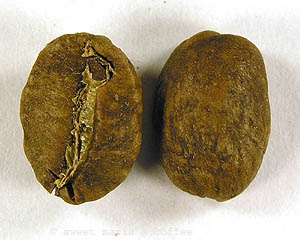
8. First Crack Ongoing – 10:00 – 415°F (213°C)
Beans expand, silver skin fully releases. Exothermic then endothermic phases.

9. First Crack Ends – 10:40 – 426°F (219°C)
City roast level. Surface smoother but with fine dark spots.
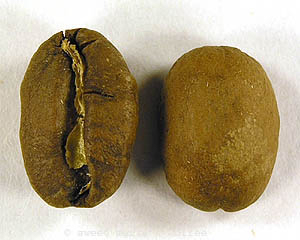
10. City+ – 11:05 – 435°F (224°C)
Between first and second crack. Short endothermic phase.

11. Light Full City – 11:30 – 444°F (229°C)
Near second crack. Fiber structure weakens.

12. Full City+ – 11:50 – 454°F (234.5°C)
Second crack begins. Darkening speeds up.
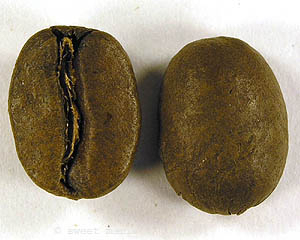
13. Vienna / Light French – 12:15 – 465°F (240.5°C)
Roast character emerges. Origin traits begin fading.
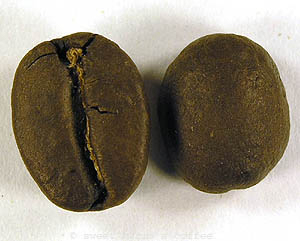
14. French Roast – 12:40 – 474°F (245.6°C)
Sugars heavily caramelize and burn. Smoke appears. Risky roast.
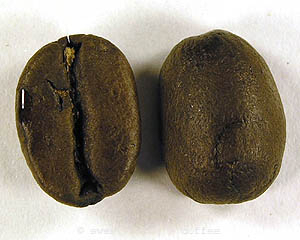
15. Italian / Carbon Roast – 13:00 – 486°F (252°C)
Nearly burned. Over 25% beans become ash.


16. Ignition Point – 13:30 – 497°F (258°C)
Beans near combustion. Only attempt with industrial equipment.
Frequently Asked Questions
What’s the easiest way to identify coffee roast level?
The easiest way is to observe the roast color, listen for the first and second cracks, and note the roast aroma. First crack starts around 401°F (205°C), and second crack begins near 446°F (230°C). Color ranges from light brown (City) to nearly black (French/Carbon). Combining these three indicators gives you the most accurate roast level assessment.
Does roast color alone determine roast level?
No. Roast color can be misleading due to bean density, origin, and processing method. For example, Sumatra may look like a City roast at second crack, and Kenyan beans often appear darker than they are. Always combine color with crack timing and aroma for accuracy.
What’s the difference between first and second crack?
First crack (around 401°F/205°C) is caused by moisture and CO₂ expanding inside the bean—it sounds like popcorn. Second crack (around 446°F/230°C) is the actual fracturing of the bean’s cellular structure, sounding more like rice crisps or wood burning. They are distinctly different in sound and temperature.
Is darker roast always stronger or better?
No. Darker roasts (like French or Italian) produce bold, smoky flavors but often mask the coffee’s origin characteristics. Many specialty coffee professionals prefer City to Full City roasts to highlight terroir and natural flavors instead of roast flavors.
Why do some beans look darker than they roast?
Natural processed beans, high-density beans, or certain origins like Kenya or Sumatra can appear darker due to uneven roasting or inherent bean traits. Color isn’t always a reliable indicator of roast level without additional cues like crack timing or smell.
FrontStreet Single Origins Ideal for Roast Analysis
Try FrontStreet’s Ethiopia Yirgacheffe for bright citrus and floral notes in a light roast, FrontStreet Colombia Huila for balanced caramel and nuts at City to City+ levels, and FrontStreet Sumatra Mandheling for earthy spice profiles often roasted to Full City or French. These beans showcase how origin character responds to different roast stages. Freshly roasted within 5 days · Orders placed before 17:00 ship the same day · Next-day delivery across most of Guangdong Province.
FrontStreet Coffee is a long-established specialty coffee roaster in Guangzhou China, selling freshly roasted beans from its own farm in Yunnan as well as dozens of carefully selected single-origin beans from around the world for both pour-over and espresso. The products deliver consistently excellent quality and great value, with shipping within 24 hours. Guangzhou's FrontStreet Coffee shop is recommended by many coffee lovers, and the beans are now available online at the Tmall 。
Important Notice :
前街咖啡 FrontStreet Coffee has moved to new addredd:
FrontStreet Coffee Address: 315,Donghua East Road,GuangZhou
Tel:020 38364473