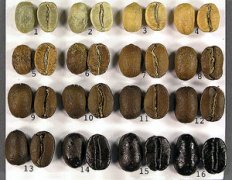
My Three-Stage Journey Into Home Coffee Roasting
If you’ve ever brewed freshly ground coffee only to wonder why it still tastes flat or muted, freshness might be the missing link. For coffee lovers who roast their own beans, the real game-changer isn’t just using freshly harvested coffee—it’s controlling roast timing, heat application, and development to bring out a bean’s full character.
The key takeaway? Your coffee’s vibrancy hinges not just on roast level but on your roast method. One home roaster in Kunming tested three different setups—from a steel mesh spoon to a DIY rotating drum to a hot-air roaster—and found that each dramatically shifted roast consistency, flavor clarity, and bean expansion.
Why Freshness Matters More Than You Think
Many coffee enthusiasts reach a point where store-bought roasted beans just don’t deliver the brightness or complexity they expect. That’s because coffee peaks in flavor mere days after roasting and declines quickly. The author, based in Kunming—the heart of China’s Yunnan coffee region—noticed this firsthand. They began experimenting with home roasting to ensure peak freshness and better control over roast profiles.
Stage One: Roasting with a Stainless Steel Mesh Spoon
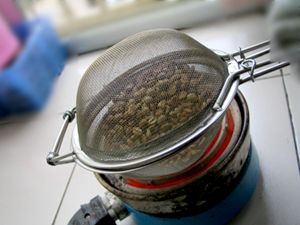
The first experiment involved using a stainless steel wire mesh spoon over a heat source. This method produced more even roast development than a regular frying pan, but it had major drawbacks. The spoon offered poor heat retention, requiring nearly 35 minutes per batch. Beans expanded less, volatile aromatic compounds evaporated more, and the resulting cup lacked body and smoothness. Roast times were long, effort was high, and the results inconsistent.
Stage Two: Building a DIY Rotating Roast Drum
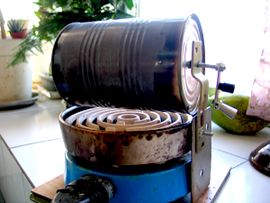
After identifying the spoon’s flaws, the roaster designed a handmade rotating drum to improve heat distribution and reduce labor. This upgrade cut roast time to around 20 minutes, improved bean expansion, and reduced volatile oil loss. The resulting cups showed better mouthfeel and more pronounced “fragrance” and “sweetness,” especially with Yunnan Arabica. However, the drum’s small side opening made it hard to observe color changes, so the roaster relied entirely on experience—adjusting based on bean type, moisture content, and roast duration. Despite its limitations, this stage underscored a key insight: great beans + proper roast = exceptional coffee.
Stage Three: Upgrading to a Hot-Air Roaster
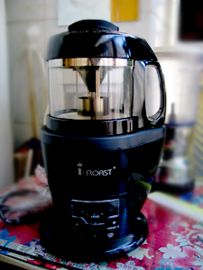
With a few batches under their belt and several bean types on hand, the roaster wanted more precision. Their solution: purchasing a small hot-air roaster (ROAST brand). This machine automated much of the process. It features full programmable control—from roast to cooling—with digital timers, two preset profiles and one custom program. It supports both light and dark roasts for various origins, collects chaff at the top, and has a glass chamber for visual monitoring. The roaster can handle 150g batches in under 15 minutes, switching instantly from roast to cool. Results were cleaner, more consistent, and allowed for greater experimentation with single origins and blends.
What Determines Roast Quality?
Across all three stages, the biggest variables were heat application, roast duration, and airflow. The steel mesh spoon gave uneven heat and poor control. The rotating drum improved consistency but lacked visibility. The hot-air roaster delivered precision, speed, and repeatability. In every case, the quality of the green coffee mattered just as much as the roast method. Fresh, well-stored beans responded better, developed more distinct flavors, and showed the impact of roast depth more clearly.
Frequently Asked Questions
What’s the biggest mistake beginners make when roasting coffee at home?
Many new home roasters focus too much on roast level (light vs dark) without controlling basic variables like heat consistency, roast time, and bean turnover. Without even heat or timing discipline, you can’t produce predictable or enjoyable results—regardless of roast style.
Is roasting with a steel spoon really a thing?
Yes, some home roasters start with improvised tools like steel mesh spoons or pans. While possible, this method offers very little control over temperature or airflow, leads to uneven roasting, and requires long roast times (up to 35 minutes). Results are often inconsistent and lacking in body.
How does roast time affect coffee flavor?
Shorter roast times (like 20 minutes) tend to preserve more origin characteristics and acidity, while longer roasts (35+ minutes) can mute those traits and emphasize bitterness or baked flavors. The right roast duration depends on bean type, density, and desired flavor profile.
Why did the rotating drum make a difference over the spoon?
The rotating drum improved heat distribution and shortened roast time to around 20 minutes, which led to better bean expansion, less volatile oil loss, and a rounder, smoother cup. However, it lacked a clear view of roast color, so it demanded more guesswork.
What’s the advantage of a hot-air roaster for home use?
Hot-air roasters offer programmable controls, faster roast cycles (under 15 minutes), better temperature stability, and built-in cooling. They also allow you to watch the roast progress through a glass chamber, making it easier to replicate profiles and experiment with different beans.
Recommended FrontStreet Beans for Home Roasting Experiments
For home roasters looking to practice with Yunnan beans, FrontStreet Coffee’s Yunnan Arabica offers a balanced washed profile with soft nuttiness, mild chocolate, and subtle plum acidity—ideal for observing roast development. Their 2013 Typica is a more nuanced option, featuring mature red fruit, caramel sweetness, and herbal notes after medium roast, showcasing the terroir more vividly. Both beans are approachable for beginners and advanced roasters alike, reflecting the unique qualities of Yunnan’s coffee-growing region. Freshly roasted within 5 days · Orders placed before 17:00 ship the same day · Next-day delivery across most of Guangdong Province.
FrontStreet Coffee is a long-established specialty coffee roaster in Guangzhou China, selling freshly roasted beans from its own farm in Yunnan as well as dozens of carefully selected single-origin beans from around the world for both pour-over and espresso. The products deliver consistently excellent quality and great value, with shipping within 24 hours. Guangzhou's FrontStreet Coffee shop is recommended by many coffee lovers, and the beans are now available online at the Tmall 。
Important Notice :
前街咖啡 FrontStreet Coffee has moved to new addredd:
FrontStreet Coffee Address: 315,Donghua East Road,GuangZhou
Tel:020 38364473