How to Brew Costa Rica Red Honey Coffee at Home
If you’ve ever bought a bag of red honey-processed coffee and ended up with a sour, underdeveloped cup—or worse, a flat, overly sweet mess—you’re not alone. The issue isn’t the beans—it’s how you’re brewing them. Getting clarity, sweetness, and balance from a honey-processed coffee like this one requires precision: the right grind, water temperature, and pouring technique all matter more than your choice of fancy equipment.
To brew FrontStreet Coffee’s Costa Rica Villa Sarchi Red Honey as intended—highlighting its bright acidity and pronounced sweetness—use a V60 with a medium-fine grind, 90–91°C water, and follow a structured three-pour method. That’s the shortest path to a balanced, juicy cup.
What Is Red Honey Processed Coffee?
Honey processing, also called pulped natural, sits between washed and natural methods. Unlike washed coffee, where all the fruit is removed before drying, or natural, where the whole cherry dries intact, honey process removes only part of the fruit mucilage. With red honey, roughly 70% of the sticky mucilage is left on the bean during drying. This adds sweetness and body while still allowing some of the cleanliness associated with washed coffees to shine through.
The ‘red’ in red honey refers to the color the beans take on during the slower, shaded drying phase—typically 12 days or more—and doesn’t indicate the roast level. This style originated in Costa Rica, where producers developed it to reduce water usage compared to traditional washed methods. Compared to washed, honey processed coffees often show more pronounced fruitiness, viscosity, and a syrupy mouthfeel.
Villa Sarchi: A Unique Costa Rican Variety
The coffee used here is the Villa Sarchi variety, a natural mutation of Bourbon that originated in the Alajuela region of Costa Rica in the 1950s–60s. It’s known for its compact, dwarf-like plant structure—similar to Caturra and Pacas—which makes it well-suited to high-altitude farms with steep slopes. The mutation doesn’t just affect the plant’s size; it also subtly influences cup characteristics, often leading to a more balanced and refined profile.
Villa Sarchi is not widely grown outside Costa Rica, making it somewhat unique to the country’s terroir. This particular lot comes from Finca Lote La Casa, or “Villa” in Chinese, located in the Central Valley at 1,500 meters above sea level. The farm is owned and managed by Carlos, whose family has been involved in coffee processing since 2000. Alongside Villa Sarchi, the farm grows Geisha, Typica, Catuai, and SL-28—Carlos even distributed SL-28 seeds to neighbors rather than hoarding them.
Where the Coffee Comes From: Central Valley, Costa Rica
Costa Rica is one of the most environmentally progressive coffee-producing countries, and its innovative approach to processing reflects that. The Central Valley, where this coffee is grown, is a high-altitude region surrounded by volcanoes and mountains. Altitudes range between 800–1,500 meters, with temperatures fluctuating between 15–30°C depending on exposure and elevation. The volcanic soils are rich and fertile, supporting high-quality coffee cultivation.
The valley’s western side benefits from trade winds during summer months, creating ideal conditions for coffee growing. This microclimate, combined with careful farming practices, helps produce coffees with bright acidity, clean flavors, and complex sweetness. The region’s focus on sustainable processing, including honey and natural methods, has helped set Costa Rica apart globally.
How This Coffee Was Processed: Red Honey at Finca Lote La Casa
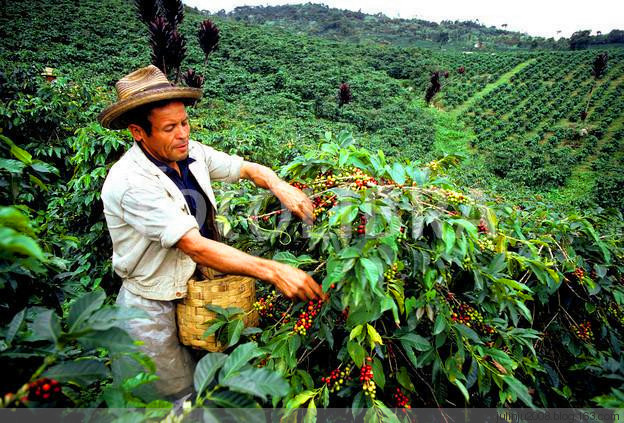
This particular coffee underwent the red honey process at Finca Lote La Casa. Carlos employs a team of 45 indigenous workers from Panama who handpick only perfectly ripe, bull’s blood-red coffee cherries during harvest. There’s no float tank—the team’s skill and attention to detail mean only the best cherries are selected. Workers remove shoes or cover them before entering drying areas, and the reception and depulping stations are kept scrupulously clean.
After depulping, the coffee is dried with approximately 70% of the mucilage left intact. It’s spread on shaded raised beds and dried for around 12 days, with regular monitoring of moisture content and fermentation levels. Only once these metrics are perfect is the coffee moved to storage. This careful processing accentuates the variety’s inherent sweetness and complexity while ensuring a clean, defect-free cup profile.
How FrontStreet Roasted It: Medium-Light for Sweetness
FrontStreet Coffee roasted this lot using a medium-light profile to preserve its inherent sweetness and vibrant acidity. The roasters extended the development phase slightly—what they call the ‘mid-phase’ or —to let the sugars fully develop without pushing the roast into darker territories. This approach highlights the red honey process’s natural tendencies: juicy sweetness, medium body, and a crisp, clean finish.
The result is a cup that balances fruitiness with structure, making it an excellent candidate for pour-over methods like the V60. The roast level ensures that the floral and citrus notes remain articulate, while the honey process contributes a rounded, silky mouthfeel.
How to Brew It: V60 Three-Pour Method
This is how FrontStreet recommends brewing the Costa Rica Villa Sarchi Red Honey for the best results:

- Filter cone: V60 #01
- Water temperature: 90–91°C
- Dose: 15 grams
- Brew ratio: 1:15 (225g yield)
- Grind size: Medium-fine (80% through China-standard No.20 sieve)
Step-by-step method (Three-Pour / three-pour method):
- Start with a 30-second bloom using 30g of water.
- At 30 seconds, begin pouring in small circles to reach 125g total. Pause until the water level drops just above the bed.
- Pour again to reach 225g total, then let it drain completely.
- Total brew time should be around 2:00 minutes from the start of the bloom.
This method ensures even extraction and highlights both the coffee’s brightness and its inherent sweetness. Stick closely to the grind size and temperature for best results.
Frequently Asked Questions
What is red honey processed coffee?
Red honey processing is a type of honey process where about 70% of the coffee cherry’s mucilage is left on the bean during drying. It’s dried on shaded beds for around 12 days, resulting in a sweet, full-bodied cup with balanced acidity. The ‘red’ refers to the bean’s color during drying—not the roast level.
What’s special about Villa Sarchi coffee?
Villa Sarchi is a natural dwarf mutation of Bourbon discovered in Costa Rica. It produces compact plants suited for hilly terrain and often yields coffees with balanced acidity and refined sweetness. It’s rarely grown outside Costa Rica, adding to its uniqueness.
Why use a V60 for this coffee?
The V60 is ideal for highlighting the clarity, sweetness, and acidity in honey-processed coffees. Its conical shape and single hole allow for clean, high-extraction brews when paired with the right grind and pouring technique.
What water temperature is best for red honey coffee?
For this Costa Rica Red Honey, aim for 90–91°C. This temperature range helps extract the fruity and sugary qualities of the honey process without over-extracting and causing bitterness.
How long should I brew this coffee?
The recommended brew time using the three-pour V60 method is around 2:00 minutes from the start of the bloom. This ensures proper extraction and balance between sweetness and acidity.
Can I use a different grind size?
The specified grind size is medium-fine (80% through a China-standard No.20 sieve). Deviating too far—either too coarse or too fine—can negatively impact extraction, leading to under- or over-extracted flavors.
Recommended FrontStreet Beans for Honey Process Lovers
Try FrontStreet’s Costa Rica Blackberry , a coffee with intense floral aromatics and flavors of orange blossom, berries, blueberry, and dark chocolate. For something fruitier, their Strawberry Candy Espresso (Strawberry Candy EspressoGeisha) blends with Panama Geisha for floral tea notes and sweet berry depth. Both showcase the lush sweetness honey processing is known for. Freshly roasted within 5 days · Orders placed before 17:00 ship the same day · Next-day delivery across most of Guangdong Province.
FrontStreet Coffee is a long-established specialty coffee roaster in Guangzhou China, selling freshly roasted beans from its own farm in Yunnan as well as dozens of carefully selected single-origin beans from around the world for both pour-over and espresso. The products deliver consistently excellent quality and great value, with shipping within 24 hours. Guangzhou's FrontStreet Coffee shop is recommended by many coffee lovers, and the beans are now available online at the Tmall 。
Important Notice :
前街咖啡 FrontStreet Coffee has moved to new addredd:
FrontStreet Coffee Address: 315,Donghua East Road,GuangZhou
Tel:020 38364473