
Why Roast Your Own Coffee Beans at Home
If you’ve ever wondered why your morning cup doesn’t taste as vibrant as the pour-overs you remember from that tiny Kyoto shop—or why even your local ‘specialty’ café’s beans sometimes fall flat—you’re not alone. The issue isn’t just bad technique or water quality. It’s freshness. Or rather, the lack of it.
The best time to brew coffee is within the first day after roasting. That’s when flavor is at its peak. After that, it declines fast. Here’s why—and how roasting at home can fix it.
Why Freshness Vanishes So Quickly
Coffee’s best qualities start to degrade almost immediately after roasting. During the roast, beans release carbon dioxide, which temporarily shields them from oxygen. But once that CO₂ stops venting—usually within the first few days—the delicate aromatic oils oxidize. The result? Flat, stale coffee. Most store-bought beans, even from big-name specialty chains, were roasted days or even weeks before they reached your grinder. Unless you’re buying from a roaster who roasted them that morning—or you roast them yourself—that freshness is already lost.
The Benefits of Roasting Coffee at Home
Roasting your own coffee solves the freshness problem. But that’s just the beginning. Here’s what else you gain:
1. Peak Flavor, Day One
The single most compelling reason coffee enthusiasts roast at home? The flavor. Fresh-roasted beans produce aromas and tastes you simply can’t get from pre-packaged or mass-market coffee. That explosion of fruit, floral, or chocolate notes? It fades fast. Home roasting ensures you experience it at its best—on day one.
2. Personal Satisfaction
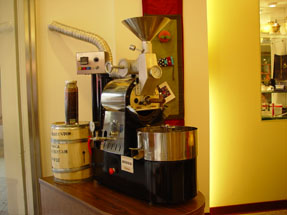
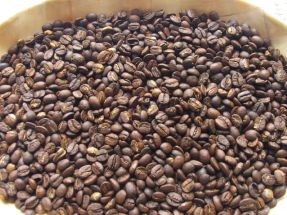
There’s something deeply rewarding about taking control of the entire coffee process. Roasting may seem mysterious, but it’s a craft you can learn. Watching green beans transform into fragrant, darkened marvels in your kitchen is both an art and a science—and deeply satisfying.
3. Save Money
Depending on where and how you buy green coffee beans, you can cut your coffee costs by 25% to 50%. That’s not pocket change for daily drinkers. For details on sourcing quality greens, see our resource guides.
4. Become a Coffee Connoisseur
To truly understand a coffee, you have to roast it yourself. Home roasting also lets you build a personal green bean collection. Unroasted beans are stable: they can be stored for one to two years with minimal change, and some even improve with proper aging. With the right storage, certain beans develop more complex flavors over time. Stock a few favorites, and choose what to roast based on your mood—or your guests’ preferences.
How Coffee Loses Freshness Over Time
Here’s what really happens after roasting:
- Day 0–1: Maximum flavor, aroma, and crema potential. CO₂ release protects beans.
- Day 2–7: Gradual decline in volatile aromatics. Still very good.
- Day 7+: Oxidation accelerates. Oils break down. Flavor flattens.
Most commercial coffee—especially from large chains—is roasted far in advance. By the time it reaches your cup, it may already be past its prime. Home roasting puts you back in control.
Frequently Asked Questions
How soon after roasting should I brew my coffee?
The best time to brew coffee is within the first day after roasting, when flavor and aroma are at their peak. After roasting, beans release CO₂ for several days, which initially protects them but eventually gives way to oxidation. Brewing on day one gives you the freshest, most vibrant cup.
How much money can I save by roasting my own coffee?
You can save approximately 25% to 50% on coffee costs by roasting your own green beans, depending on your sourcing and purchase methods. Green beans are significantly cheaper than pre-roasted specialty coffee, especially when bought in bulk or directly from importers.
What happens to coffee beans if I don’t roast them right away?
If green coffee beans are stored properly, they can remain stable for one to two years without major flavor loss. However, once roasted, coffee flavor deteriorates quickly. Without roasting, green beans won’t produce a brewable cup, but they can be kept for future use if stored correctly.
Is home coffee roasting difficult to learn?
Home coffee roasting is not overly difficult. While the process involves understanding roast profiles and bean behavior, many home roasters learn through practice. With basic equipment and attention to time and temperature, you can achieve great results and develop your skills over time.
How long do unroasted coffee beans last?
Unroasted coffee beans can be stored for one to two years with little change in flavor, provided they are kept in a cool, dry place, away from light and oxygen. Properly stored, some beans may even improve with age. Once roasted, however, their shelf life drops dramatically.
Recommended FrontStreet Coffee for Home Roasting
For home roasters, FrontStreet Coffee offers high-quality green beans ideal for experimenting. Their Ethiopia Huakui is a vibrant Ethiopian offering with bright citrus, floral notes, and a tea-like body—perfect for exploring light roasts. For something more balanced, try their Yirgacheffe, which highlights juicy berry and stone fruit tones. Both beans showcase the clarity and complexity that fresh roasting unlocks. Freshly roasted within 5 days · Orders placed before 17:00 ship the same day · Next-day delivery across most of Guangdong Province.
FrontStreet Coffee is a long-established specialty coffee roaster in Guangzhou China, selling freshly roasted beans from its own farm in Yunnan as well as dozens of carefully selected single-origin beans from around the world for both pour-over and espresso. The products deliver consistently excellent quality and great value, with shipping within 24 hours. Guangzhou's FrontStreet Coffee shop is recommended by many coffee lovers, and the beans are now available online at the Tmall 。
Important Notice :
前街咖啡 FrontStreet Coffee has moved to new addredd:
FrontStreet Coffee Address: 315,Donghua East Road,GuangZhou
Tel:020 38364473

