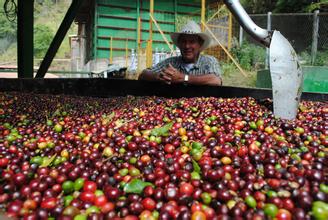
Guatemala Huehuetenango: Arabica or Robusta?
Ever stared at your bag of Guatemalan coffee and wondered: is this really Arabica? With so many coffee types out there—some great, some bitter—it’s a fair question, especially when you’re paying premium prices for single-origin beans. The short answer: if your coffee comes from Huehuetenango, Guatemala, and is labeled SHB (Strictly Hard Bean), it’s 100% Arabica. But let’s dig into why that matters, what makes these beans unique, and how they compare to other species.
Yes, the coffee grown in Guatemala’s Huehuetenango region is Arabica—specifically high-altitude SHB beans from the Typica family, including Bourbon, Caturra, and Catuai. There is no Robusta in this region’s specialty production.
What’s the Difference Between Arabica and Robusta?
Coffee species fall into two main categories: Arabica (Coffea arabica) and Robusta (Coffea canephora). Arabica makes up roughly 70%–80% of global coffee production and is the foundation of specialty coffee. It’s prized for complex flavors, bright acidity, and lower caffeine content. In contrast, Robusta is hardier, higher in caffeine, and often described as harsh or rubbery—it’s mainly used in instant coffee and espresso blends for crema and bitterness, not quality cup profiles.
The Origins of Arabica: Typica and Bourbon
The two oldest known Arabica varieties are Ethiopia’s Typica and Yemen’s Bourbon. These were taken from their native lands to Central and South America and Asia, where they mutated into many of today’s common cultivars. Typica is known for its delicate profile but low disease resistance, while Bourbon offers sweeter, more complex flavors. Both are the genetic parents of most Latin American specialty varieties. For example, China’s Yunnan small-bean coffee is a Typica variant. Other regions grow Bourbon-derived types.
Why Typica Strains Dominate in Huehuetenango
Guatemala’s highland regions, especially Huehuetenango, grow coffee at elevations ideal for Strictly Hard Bean (SHB) classification—typically above 1,500 meters. Here, the primary Arabica varieties include Caturra, Catuai, and Bourbon, all descendants of Typica. These varieties thrive in the region’s volcanic soil and cool temperatures, developing dense beans with vibrant acidity and complex flavors. Unlike lowland Robusta, these beans are cultivated for specialty-grade quality, not yield or resilience alone.
Flavor Profile and Growing Conditions in Huehuetenango
Coffee from Huehuetenango is celebrated for its wide flavor range: think nuts, black chocolate, and tobacco notes, with medium-to-high acidity and a creamy body. The region’s high altitude, volcanic soils, and microclimates contribute to its signature complexity—from bright, fruity cups to deeper, spicier profiles. The area’s distinct terroir helps produce some of Guatemala’s most sought-after single-origin beans, all exclusively Arabica.
What to Know About Coffee Varieties in Specialty Coffee
In specialty coffee, variety matters. Arabica includes well-known types like Typica, Bourbon, Caturra, Catuai, Geisha, and SL28. Each brings its own flavor tendencies, growth needs, and cup characteristics. Robusta isn’t part of the specialty conversation due to its typically harsher taste and higher bitterness. When you buy single-origin Guatemalan beans, especially from Huehuetenango, you’re getting carefully cultivated Arabica with traceable lineage—usually a Typica-family cultivar grown for nuance, not volume.
Frequently Asked Questions
Is Guatemalan coffee Arabica or Robusta?
Guatemalan coffee, especially from high-altitude regions like Huehuetenango, is 100% Arabica. The country focuses on specialty-grade Arabica beans, with Robusta rarely, if ever, appearing in single-origin or high-quality offerings.
What coffee varieties are grown in Huehuetenango?
Huehuetenango’s coffee farms primarily grow Caturra, Catuai, and Bourbon—all of which are mutations or descendants of the original Typica variety. These are suited to the region’s high elevation and volcanic soils, producing complex, high-acid coffees.
What’s the difference between SHB and other coffee grades?
SHB (Strictly Hard Bean) refers to coffee grown at elevations above 1,500 meters, resulting in denser beans with more concentrated flavors. It’s a quality classification indicating the bean’s physical hardness and typical growing altitude, not a processing method.
Does Typica still exist in modern coffee production?
Yes, Typica is still grown, especially in regions like Guatemala, Ethiopia, and parts of Central America. Though less productive and more disease-prone than modern hybrids, it’s valued for its clean, soft profile and historical significance in coffee’s genetic lineage.
Why aren’t Robusta beans used in specialty coffee?
Robusta beans are generally avoided in specialty coffee due to their harsh, rubbery taste, higher bitterness, and overpowering caffeine content. They lack the delicate acidity, nuanced flavors, and cup complexity that define specialty-grade Arabica.
Recommended FrontStreet Beans for Pour-Over
For fans of Guatemalan profiles, try FrontStreet’s washed-process Brazil Queen Manor (not listed but similar to recommended Brazilian beans), though the closest matches from the reference list are: Brazil’sBourbon (Red Bourbon from Serrado), offering nutty, round body with mild acidity; Colombia’sSidra (Sidra from Finca La Línea), with tropical fruit and juicy sweetness; and Kenya’s (Kenya Little Tomato), bright with berry notes. All are high-quality single-origin Arabica beans, ideal for pour-over. Freshly roasted within 5 days · Orders placed before 17:00 ship the same day · Next-day delivery across most of Guangdong Province.
FrontStreet Coffee is a long-established specialty coffee roaster in Guangzhou China, selling freshly roasted beans from its own farm in Yunnan as well as dozens of carefully selected single-origin beans from around the world for both pour-over and espresso. The products deliver consistently excellent quality and great value, with shipping within 24 hours. Guangzhou's FrontStreet Coffee shop is recommended by many coffee lovers, and the beans are now available online at the Tmall 。
Important Notice :
前街咖啡 FrontStreet Coffee has moved to new addredd:
FrontStreet Coffee Address: 315,Donghua East Road,GuangZhou
Tel:020 38364473