Is Costa Rica's Fire Phoenix Red Honey Coffee Arabica or Robusta?
When you see ‘red honey processed’ coffee from Costa Rica, especially one that tastes like dried fruit and honey with a heavy body, it’s natural to wonder: is this really Arabica? After all, most commercial blends use cheaper Robusta for a strong kick—but the best specialty cups come from Arabica. So what’s the truth behind this vibrant, sweet coffee from the Fire Phoenix Estate?
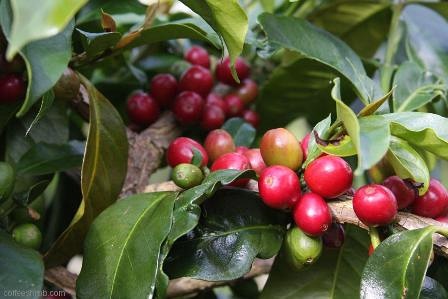
The short answer: it’s 100% Arabica—specifically the Caturra and Catuai varieties—grown at 1300–1500m in Costa Rica’s Central Valley. This isn’t Robusta, which is harsher and higher in caffeine, but a high-elevation, carefully processed Arabica with a Brix sweetness reading of 21–22.
What Is the Fire Phoenix Estate?
Situated on the volcanic slopes of Costa Rica’s Central Valley near Poás Volcano, Fire Phoenix Estate is a fully organic coffee farm. It’s renowned for pioneering honey and natural process methods in Central America. The estate avoids chemical fertilizers and pesticides, instead relying on worm composting and rainwater harvesting. Their commitment to sustainability and sweetness has earned them accolades, including attention after the 2009 specialty coffee competitions.
Why Does Coffee Variety Matter?
Not all coffee plants are created equal. Globally, over 100 coffee varieties exist, but they mainly fall under two species: Arabica and Robusta. Arabica (70–80% of global production) is prized for its complex flavors, acidity, and aromatic profile. It’s the foundation of specialty coffee. Robusta, on the other hand, is bitter, high in caffeine, and typically used in instant coffee or espresso blends for crema and strength—not finesse.
Within Arabica, common cultivars include Typica and Bourbon, both originating in Ethiopia and Yemen, then spreading worldwide. Variants like Caturra (a dwarf Typica mutation) and Catuai (a cross of Mundo Novo and Caturra) are widely grown in Central and South America for their balance, sweetness, and suitability to high-altitude farming.
What’s the Difference Between Arabica and Robusta?
| Trait | Arabica | Robusta |
|---|---|---|
| Flavor Profile | Sweet, acidic, complex, fruity, floral | Bitter, earthy, rubbery, woody |
| Caffeine Content | 1.2–1.5% | 2.2–2.7% |
| Growing Altitude | 800–2000m | 0–800m |
| Disease Resistance | Low (e.g., to rust) | High |
| Shape & Size | Oval, larger beans | Round, smaller beans |
This distinction explains why your morning espresso might taste sharply bitter (if Robusta-heavy) or sweet and layered (if Arabica-dominant). Fire Phoenix Estate’s coffee falls firmly in the Arabica camp.
What Is Red Honey Processing?
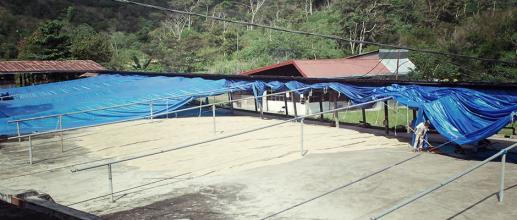
Honey processing is a hybrid method between washed and natural. After pulping, some of the sticky mucilage is left on the beans during drying. The amount of mucilage determines the honey ‘color’: yellow, red, or black. Red honey means a medium amount of mucilage remains, leading to a sweeter, fruitier cup with more body.
At Fire Phoenix, producers monitor the coffee cherry’s sugar content using a Brix meter—a tool borrowed from the wine industry. They only process cherries with a Brix level over 20%, which at Fire Phoenix reaches 21–22. For comparison, apples measure around 14, lemons 12, and passionfruit 18. This hyper-sweet cherry is then turned into red honey coffee with notes of dried fruit, vanilla, and honey.
The estate’s volcanic, Poás-region soil combined with altitudes of 1300–1500m and 3000mm annual rainfall creates optimal conditions for slow ripening and high sugar accumulation. The harvest runs from December to February.
What Varieties Are Grown at Fire Phoenix?
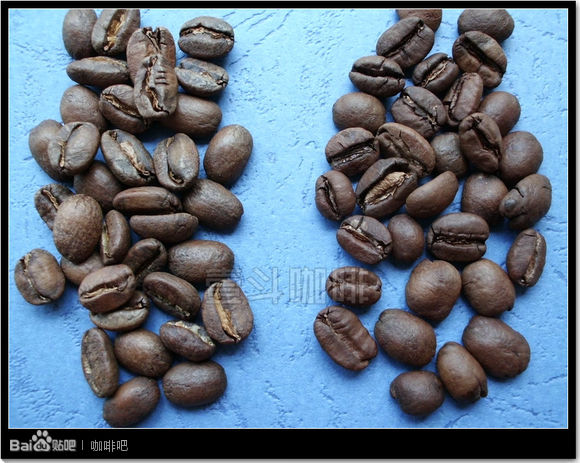
Fire Phoenix Estate cultivates Caturra and Catuai—both high-quality Arabica varieties. Caturra is a compact form of Typica known for bright acidity and citrus notes. Catuai, a cross between Mundo Novo and Caturra, adds sweetness and body. These varieties thrive at high altitudes and contribute to the rich, structured profile of the estate’s red honey lots.
The beans are sorted to 18 mesh size, ensuring uniformity. Together, these elements explain the cup profile: thick mouthfeel, intense sweetness, and flavors of fruit leather, vanilla, and honey.
Frequently Asked Questions
Is the red honey coffee from Fire Phoenix Estate Arabica or Robusta?
The coffee from Fire Phoenix Estate is 100% Arabica, specifically the Caturra and Catuai varieties. It is not Robusta, which is a different species with a harsher flavor and higher caffeine content.
What is red honey processing and how does it affect flavor?
Red honey processing is a coffee method where some of the fruit’s mucilage is left on the beans during drying. At Fire Phoenix, they aim for a medium level of mucilage (red honey), which results in a cup with more sweetness, body, and notes of dried fruit, honey, and vanilla.
What altitude is Fire Phoenix Estate coffee grown at?
Fire Phoenix Estate grows coffee at elevations between 1300 and 1500 meters above sea level. This high altitude slows ripening, increasing sugar development and contributing to the coffee’s complex sweetness.
How do they decide when to harvest coffee cherries at Fire Phoenix?
Fire Phoenix uses a Brix meter to measure the sugar content of the coffee cherries. Only cherries with a Brix level over 20% are selected for processing, and at this estate, the levels reach 21–22, which is exceptionally high—most fruits average much lower.
What makes Fire Phoenix Estate’s farming practices unique?
Fire Phoenix Estate is 100% organic. The farm avoids synthetic chemicals, uses worm composting for fertilizer, and collects rainwater for processing. These sustainable practices support environmental health and contribute to the clean, sweet cup profiles for which the estate is known.
Recommended FrontStreet Beans for Honey Process Lovers
If you enjoy the sweet, syrupy profile of Fire Phoenix’s red honey coffee, try FrontStreet’s Strawberry Candy Espresso (a Geisha-based blend with rose, grape, and almond notes), Panama Huacai (fruity and floral with bright acidity), or even the Brazil Queen Manor Yellow Bourbon for creamy, caramel-like sweetness. All are classic single-origin Arabicas with distinct honey-process-like traits. Freshly roasted within 5 days · Orders placed before 17:00 ship the same day · Next-day delivery across most of Guangdong Province.
FrontStreet Coffee is a long-established specialty coffee roaster in Guangzhou China, selling freshly roasted beans from its own farm in Yunnan as well as dozens of carefully selected single-origin beans from around the world for both pour-over and espresso. The products deliver consistently excellent quality and great value, with shipping within 24 hours. Guangzhou's FrontStreet Coffee shop is recommended by many coffee lovers, and the beans are now available online at the Tmall 。
Important Notice :
前街咖啡 FrontStreet Coffee has moved to new addredd:
FrontStreet Coffee Address: 315,Donghua East Road,GuangZhou
Tel:020 38364473