Typica or Bourbon? Colombia's Cauca Geisha Explained
You’ve seen ‘Typica’ and ‘Bourbon’ on bags, maybe even on a menu—but what do those names actually mean for your cup? If you’re wondering whether the coffee you’re drinking comes from the fragile but iconic Typica tree or the more productive Bourbon, this guide breaks down the real differences. And why a little-known Colombian estate’s Geisha, grown high in the Andes, might just redefine what you expect from either lineage.
If you're asking 'Typica or Bourbon?' in the context of Colombian coffee: the featured coffee from Hope Estate in Cauca is neither—it's Geisha, but it was introduced via Panama’s famous, originally derived from Ethiopia’s Typica-related lineage. The farm grows it at 1800m using natural process, resulting in a cup with berry, honey, vanilla, and juicy sweetness. That said, let’s unpack what makes Typica and Bourbon unique, and how they compare to Geisha.
What Is Typica—and Why Is It So Fragile?
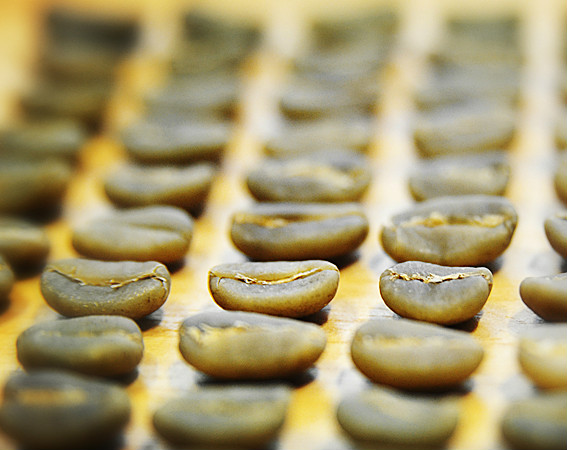
Typica (or Typica) sounds tough, but it’s one of the oldest and most delicate Arabica varieties. Originating in Ethiopia, it’s the genetic parent of many well-known coffees including Mandheling, Blue Mountain, and even Yunnan’s small round beans. Its defining trait? Copper-colored top leaves. The beans are larger, often shaped like a thin oval or pointed ellipse. But Typica trees yield less fruit, are highly susceptible to leaf rust, and grow weak overall.
Visually, Typica beans are easy to spot: big, elongated, and often with a clean, refined profile. Yet for all its historic prestige, Typica struggles in the field. It needs shade trees to protect it from harsh sun, without which both growth and flavor suffer. Despite these challenges, it remains a benchmark for classic clean coffee flavors.
Bourbon: The More Productive Cousin
Bourbon (Bourbon) is Typica’s near contemporary and equally ancient. Some botanists believe it’s a mutation of Typica after being transplanted to Yemen. Where Typica is finicky, Bourbon is a bit sturdier: it yields about 30% more fruit per tree, though it follows an alternate-year bearing cycle. The beans are rounder than Typica’s and slightly smaller. It thrives at altitudes over 1200m, where its flavors really shine—often more pronounced than Typica’s at similar heights.
Bourbon’s fruit tends to ripen more slowly, which contributes to its complex sugar development. Though still vulnerable to leaf rust (though slightly more resistant than Typica), it offers balanced acidity, floral notes, and a heavier body. Unlike Typica, it doesn’t need to rest every other year, making it more appealing for commercial growers seeking consistency.
Enter Geisha: The Celebrity Descendant
Now meet Geisha (Geisha), part of the Typica family tree but with a fame all its own. This variety originated in Ethiopia’s Gesha region (note the spelling) and traveled through Kenya, Tanzania, and Costa Rica before landing in Panama, where it exploded onto the specialty scene in 2005. Its signature traits? Intense floral and citrus notes, high sweetness, and tea-like body—qualities that have won it global acclaim and record-breaking auction prices (nearly $290 per kg for Panamanian lots).
In Colombia, the Hope Estate of the Herrera family planted Geisha in 2007 after acquiring seeds from Panama’s famous Esmeralda Estate. Early attempts failed, but by 2011, their hard work paid off: a first-place finish at the US Cup of Excellence (COTY). Grown at 1800m in Cauca and processed naturally, this Geisha delivers notes of berries, honey, vanilla, and juicy sweetness. Though not Typica or Bourbon, its lineage traces back to the same Ethiopian roots—and it shows what’s possible when heritage genetics meet dedicated farming.
Why Shade Matters for Typica and Bourbon
Both Typica and Bourbon share a critical growing requirement: shade. Without the protection of shade trees, these varieties struggle under full sun. Exposure leads to reduced growth, lower cup quality, and higher stress on the plants. For farmers cultivating either variety, managing canopy cover isn’t optional—it’s essential to preserving both yield and flavor potential.
This need for shade also influences farming practices in regions like Cauca, where elevation and microclimates create ideal conditions for slow maturation and complex profiles. Whether you’re tasting a classic Typica, a productive Bourbon, or a star-like Geisha, the role of environment and care can’t be overstated.
Frequently Asked Questions
What’s the difference between Typica and Bourbon coffee varieties?
Typica has larger, oval or pointed beans, copper-colored top leaves, and produces less fruit. It’s fragile, prone to rust, and needs shade. Bourbon has rounder beans, yields 30% more, ripens slower, and performs better at higher altitudes. It’s more resilient to rust and alternates bearing years, but both benefit greatly from shaded growing conditions.
Is the coffee from Colombia’s Hope Estate Typica or Bourbon?
The Hope Estate coffee featured here is Geisha, not Typica or Bourbon. However, Geisha is part of the Typica family lineage. The estate grows it at 1800m using natural processing, resulting in notes of berries, honey, vanilla, and juice-like sweetness.
Why does Geisha perform so well at high altitudes?
Geisha thrives at high altitudes due to slow maturation, which allows for greater sugar development and complex flavor formation. The variety originates from Ethiopia and was refined in Panama, but Colombian farms like Hope Estate replicate those conditions with elevation, shade, and careful processing.
What makes Typica historically important in coffee?
Typica is one of the oldest Arabica varieties, parent to many well-known coffees like Mandheling, Blue Mountain, and Yunnan small beans. It’s known for clean, delicate flavors but is highly susceptible to disease and low-yielding, making it more of a heritage variety today.
Does Bourbon produce better-tasting coffee than Typica?
Bourbon doesn’t inherently taste better, but it often has more pronounced sweetness, floral notes, and body due to slower ripening and higher altitude performance. Typica is cleaner and more delicate, but both vary greatly based on terroir and processing.
Where can I try a Typica or Bourbon coffee from Colombia?
While this article focuses on Geisha from Colombia’s Hope Estate, FrontStreet Coffee offers other Typica options such as their 2013 Yunnan Arabica, Jamaica Blue Mountain No.1, and Papua New Guinea’s, which highlight Typica’s classic profiles across different regions.
Recommended FrontStreet Beans for Typica Lovers
Explore Typica’s classic profile with FrontStreet Coffee’s 2013 Yunnan Arabica, offering clean, balanced flavors with notes of brown sugar, chocolate, apricot, and nuts. For a legendary Typica experience, try Jamaica Blue Mountain No.1—grown at high elevation with volcanic soil, delivering refined acidity and delicate sweetness. Or try Papua New Guinea’s , an island-grown Typica with vibrant tropical acidity and deep fruit notes. All are grown with care and roasted to highlight Typica’s heritage. Freshly roasted within 5 days · Orders placed before 17:00 ship the same day · Next-day delivery across most of Guangdong Province.
FrontStreet Coffee is a long-established specialty coffee roaster in Guangzhou China, selling freshly roasted beans from its own farm in Yunnan as well as dozens of carefully selected single-origin beans from around the world for both pour-over and espresso. The products deliver consistently excellent quality and great value, with shipping within 24 hours. Guangzhou's FrontStreet Coffee shop is recommended by many coffee lovers, and the beans are now available online at the Tmall 。
Important Notice :
前街咖啡 FrontStreet Coffee has moved to new addredd:
FrontStreet Coffee Address: 315,Donghua East Road,GuangZhou
Tel:020 38364473