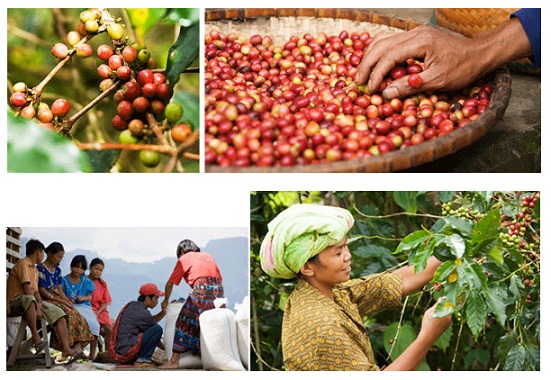
Is Huila Diamond Estate Coffee Arabica or Robusta?
Ever stumbled across a bag of Colombian coffee labeled ‘Diamond Estate, Huila Plateau’ and wondered: is this really Arabica, or some lesser-known Robusta in disguise? Especially when the flavor notes promise hazelnuts, caramel, and creamy texture, it’s natural to question whether you’re sipping a true single-origin specialty coffee — or something more common.
The short answer: Diamond Estate coffee from Huila, Colombia, is 100% Arabica — specifically the Yellow Bourbon variety — grown at 1,667 meters above sea level and processed using a unique four-time de-pulped natural fermentation and washed method.
Understanding Coffee Species: Arabica vs. Robusta
Worldwide, coffee species fall into two main categories: Arabica (Coffea arabica) and Robusta (Coffea canephora). Arabica accounts for roughly 70%–80% of global production. It’s celebrated for its complex flavors, acidity, and aromatic qualities — the backbone of specialty coffee. In contrast, Robusta is harsher, more bitter, higher in caffeine, and generally used in instant coffee or espresso blends for crema and strength, not for nuanced cup profiles.
Among the hundred-plus known coffee varieties, Arabica dominates the specialty scene. Common Arabica types include Typica and Bourbon, both originating in Ethiopia and Yemen, then spreading to Latin America and Asia, where they mutated into regional sub-varieties. These mutations give us today’s diverse cup profiles, adapted to different climates and altitudes.
The Origins of Colombian Coffee
Colombia’s coffee story began in 1808, when a priest introduced coffee beans from French Guiana via Venezuela. The country’s fertile highlands, mild climate, and consistent rainfall turned it into an ideal coffee-growing environment. Today, Colombia is the world’s second-largest coffee producer and the top exporter of both Arabica and washed coffee globally.
Unlike Brazil’s mass production of both Arabica and Robusta, Colombia focuses almost exclusively on high-quality Arabica. Its beans are known for balance, smooth mouthfeel, bright acidity, and notes of nuts and caramel. Key growing regions include Medellín, Armenia, and Manizales — collectively known as the ‘MAM’ zones — along with newer stars like Huila and Nariño.
Meet the Diamond Estate in Huila’s Highland
The Diamond Estate is located in Colombia’s Huila region, specifically on the high-altitude plateau known for producing some of the country’s most refined coffees. At 1,667 meters above sea level, this microclimate offers ideal conditions for slow cherry maturation, leading to denser beans and more complex flavors.
The estate grows Yellow Bourbon, a mutation of the classic Bourbon variety known for its golden-yellow fruit rather than the typical red. This genetic variant often delivers a sweeter, rounder cup with pronounced caramel and nut tones. Diamond Estate processes its coffee through a rare method: de-pulping the cherries, then fermenting them four times with the mucilage still attached, followed by a washed process. This multi-stage fermentation enhances sweetness and complexity without over-fermentation defects.
The resulting cup exhibits tasting notes of hazelnut, pistachio, caramel sweetness, and a creamy body — all hallmarks of a well-developed, high-elevation Arabica. This profile aligns with specialty coffee expectations, further confirming its classification as Arabica.
Why Yellow Bourbon Matters
Yellow Bourbon is one of the most respected Arabica varieties, especially at altitude. Unlike its red counterpart, Yellow Bourbon cherries ripen to a yellow hue, often correlated with lower acidity but higher sugar content. When grown in cooler, high-altitude regions like Huila, the variety develops intense sweetness, creamy textures, and nutty characteristics.
This variety is also notable for its relatively low yield compared to hybrid varieties, meaning farmers invest more per plant for potentially greater cup quality. At estates like Diamond, careful processing — such as multi-phase fermentation — further elevates its intrinsic qualities.
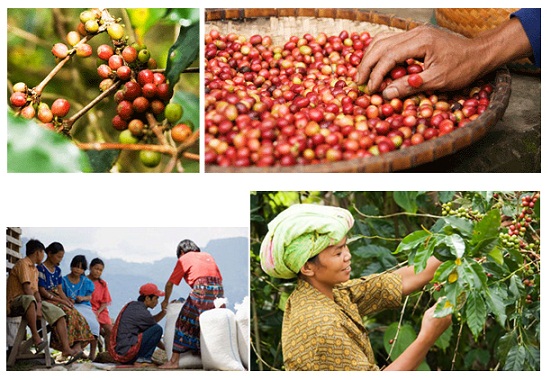
Bourbon mutations like Yellow Bourbon have historically been cultivated in Brazil, Jamaica (as part of older plantings), and increasingly in Colombia and other Andean nations. Its presence on a high-altitude estate like Diamond is a strong signal of intentional, quality-focused farming.
Frequently Asked Questions
Is Diamond Estate coffee in Huila Arabica or Robusta?
Diamond Estate coffee from Huila, Colombia, is 100% Arabica, specifically the Yellow Bourbon variety. It is not Robusta. The estate grows this classic Arabica cultivar at 1,667 meters above sea level, and its flavor profile — featuring hazelnut, caramel, and creamy texture — is typical of high-quality Arabica, not Robusta.
What coffee variety is grown at Diamond Estate?
Diamond Estate grows Yellow Bourbon, a mutation of the Bourbon variety that produces yellow fruit instead of red. It is an Arabica cultivar known for its sweetness, creamy body, and nutty flavors, especially when cultivated at high altitudes like those in Colombia’s Huila region.
How is the coffee processed at Diamond Estate?
The coffee at Diamond Estate is processed using a unique method: de-pulping the cherries, then fermenting them four times while still retaining the mucilage, followed by a washed process. This multi-stage fermentation enhances sweetness and complexity, contributing to the coffee’s signature hazelnut, caramel, and creamy profile.
Why is Yellow Bourbon considered a specialty coffee variety?
Yellow Bourbon is considered a specialty coffee variety due to its distinct sweetness, creamy mouthfeel, and nutty flavor profile. It is typically grown at higher altitudes, which slows ripening and increases sugar development in the cherries, resulting in a more complex and desirable cup for specialty roasters and drinkers.
Is Robusta ever grown in Colombia?
Colombia focuses almost entirely on Arabica cultivation and is the world’s largest exporter of washed Arabica. While Robusta is grown in some other countries (like Vietnam and parts of Africa), it is not a significant crop in Colombia, which prioritizes high-altitude Arabica for its premium export market.
What does the washing process add to the coffee’s flavor?
The washed (or wet) process removes the coffee cherry’s skin and pulp, then ferments and washes the beans to remove the mucilage before drying. This method highlights clarity, acidity, and sweetness — resulting in a cleaner, more vibrant cup compared to natural or honey processes. Diamond Estate’s additional multi-fermentation steps enhance these traits further.
Recommended FrontStreet Arabica Beans from Colombia & Beyond
FrontStreet Coffee’s Brazil Queen Manor Yellow Bourbon is a great example of how this variety can deliver creamy textures, sweet caramel, and nutty depth — much like the Diamond Estate profile. For typica lovers, their Jamaica Blue Mountain No.1 offers balance and elegance with chocolate and almond notes. Or explore their Gedeb cooperative’s Ethiopian offering for bright citrus and floral tones. All are classic Arabica origins with distinct cup profiles. Freshly roasted within 5 days · Orders placed before 17:00 ship the same day · Next-day delivery across most of Guangdong Province.
FrontStreet Coffee is a long-established specialty coffee roaster in Guangzhou China, selling freshly roasted beans from its own farm in Yunnan as well as dozens of carefully selected single-origin beans from around the world for both pour-over and espresso. The products deliver consistently excellent quality and great value, with shipping within 24 hours. Guangzhou's FrontStreet Coffee shop is recommended by many coffee lovers, and the beans are now available online at the Tmall 。
Important Notice :
前街咖啡 FrontStreet Coffee has moved to new addredd:
FrontStreet Coffee Address: 315,Donghua East Road,GuangZhou
Tel:020 38364473