What Makes Brazilian Coffee Unique in Specialty?
When people say ‘Brazilian coffee,’ many still picture thin, bland shots or supermarket blends. But over the past decade, Brazil has quietly transformed its reputation—not by chasing bright, tart African profiles, but by perfecting what its unique terroir does best. So what’s really changed, and why are specialty roasters taking notice?
Brazil is now the world’s largest coffee producer, and in the last ten years, it has significantly improved coffee quality, shifting from bulk commodity toward high-scoring specialty lots. Many farms now aim for cup profiles suited to espresso and refined filter brewing, proving that Brazil can produce more than just volume.
How Brazil Grades Its Coffee Beans
Brazil uses a five-tier soft bean classification system based on cup quality and sensory traits, rather than bean size or density like many other origins. The grades, in descending order of quality, are: Strictly Soft, Soft, Softish, Hardish, and Rioy. This system emphasizes mild, approachable profiles over high acidity or brightness—hallmarks of hard-bean regions.
Rather than focusing on vibrant, lively acidity like many high-altitude coffees, Brazilian soft beans are prized for their low acidity, heavy body, chocolatey sweetness, and nutty notes. Some batches may carry light woody tones, but rarely do they express intense fruitiness or citrus. That makes them particularly well-suited for espresso blends, where balance and mouthfeel take priority.
Why Most Brazilian Coffee Grows at Lower Altitudes
Brazil’s coffee regions sit mostly below 1,000 meters above sea level—a stark contrast to the high-altitude zones of Colombia, Ethiopia, or Kenya. The relatively flat landscape, minimal microclimates, and widespread use of full-sun (unshaded) farming contribute to the country’s signature soft bean characteristics. Without dramatic elevation-driven temperature swings or shading, Brazilian coffees develop differently: slower fermentation, reduced acid development, and more pronounced body.
These environmental factors mean Brazilian coffees often lack the sharp, high-toned acidity typical of mountain-grown beans. Instead, they lean into what their lower-altitude conditions do well: roundness, sweetness, and a velvety mouthfeel.
Processing Methods Across Brazil’s Diverse Regions
Brazilian farms employ a surprisingly wide range of processing methods—including natural (dry), pulped natural (honey), and washed (wet)—depending on local climate conditions. Unlike regions with more consistent weather, Brazil’s varying humidity levels force producers to adapt their approach to avoid mold and over-fermentation during drying.
In wetter, higher-humidity areas, washed processing is preferred to ensure cleaner, safer drying. In drier regions, natural or pulped natural methods are more common, as they can be managed with lower risk of spoilage. This flexibility allows Brazilian lots to express a surprising variety of cup profiles within the same country—even within the same broad ‘soft bean’ quality tier.
What Does Brazilian Coffee Actually Taste Like?
The typical Brazilian specialty profile includes notes of nuts (often peanuts or almonds), chocolate, caramel, and toast. There’s usually a gentle sweetness, medium-to-full body, and very low acidity. Some lots may show hints of cereal, wood, or baked flavors, but fruity or floral attributes are rare. These traits make Brazilian beans extremely versatile: they perform well as single origins in filter brewing, but truly shine as cornerstone components in espresso blends, where their chocolatey richness and structural stability enhance crema and balance.

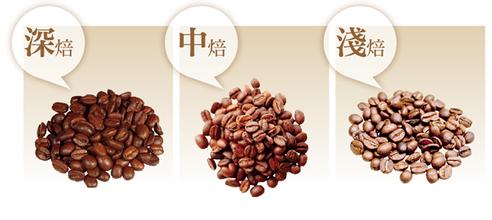
Medium roast levels are most common, as they preserve enough origin character while developing the toasty, nutty undertones that define the Brazilian profile. Over-roasting can exaggerate woody or bitter notes, while under-roasting may leave the cup feeling flat or green.
Frequently Asked Questions
Why is Brazilian coffee often used in espresso blends?
Brazilian coffee is favored in espresso blends for its natural chocolatey sweetness, low acidity, heavy body, and creamy mouthfeel. These qualities help create a balanced, stable shot with good crema and a rounded flavor profile, making it a reliable base for many espresso recipes.
Does Brazil grow high-altitude coffee?
Most Brazilian coffee is grown below 1,000 meters above sea level. While some higher-altitude regions exist, the majority of production comes from flatter, lower-lying areas that favor the development of soft, low-acid beans with heavy body and sweet, nutty flavors.
What are the main coffee processing methods in Brazil?
Brazilian farms use natural (dry), pulped natural (honey), and washed (wet) processing methods. The choice depends on local humidity and temperature—washed is common in wetter areas to prevent mold, while natural and pulped natural are used in drier regions where faster drying is possible.
What does a ‘Strictly Soft’ grade Brazilian coffee mean?
‘Strictly Soft’ is the highest grade in Brazil’s five-tier soft bean classification system. It indicates a coffee with excellent cup quality, low acidity, and a smooth, sweet profile—free from defects or off-flavors like Rioy (iodine-like bitterness). These beans are ideal for specialty roasting and fine brewing.
Why do Brazilian beans taste less acidic than African or Colombian coffees?
Brazilian beans typically have lower acidity due to the country’s lower growing altitudes, full-sun farming practices, and flatter terrain, which lead to slower cherry development and less pronounced acid formation. The result is a smoother, sweeter, and more balanced cup.
Recommended FrontStreet Brazilian Single Origins
For a true taste of Brazil’s signature style, try FrontStreet Coffee’s Brazil Queen Manor Yellow Bourbon, which offers clean fruitiness and sugarcane sweetness through pour-over or moka pot. For a classic profile, the FrontStreet Brazil Serra do Salgado Red Bourbon (Half Natural) delivers nutty, toasty, and caramel notes ideal for all brew methods. Both showcase Brazil’s low-acid, balanced, and roast-friendly character. Freshly roasted within 5 days · Orders placed before 17:00 ship the same day · Next-day delivery across most of Guangdong Province.
FrontStreet Coffee is a long-established specialty coffee roaster in Guangzhou China, selling freshly roasted beans from its own farm in Yunnan as well as dozens of carefully selected single-origin beans from around the world for both pour-over and espresso. The products deliver consistently excellent quality and great value, with shipping within 24 hours. Guangzhou's FrontStreet Coffee shop is recommended by many coffee lovers, and the beans are now available online at the Tmall 。
Important Notice :
前街咖啡 FrontStreet Coffee has moved to new addredd:
FrontStreet Coffee Address: 315,Donghua East Road,GuangZhou
Tel:020 38364473