
How Coffee Roast Levels Are Actually Defined
Ever wonder why your ‘light roast’ from a West Coast roaster tastes darker than your East Coast friend’s? Or why ‘dark roast’ means something totally different depending on where you buy your beans? You’re not alone—decades of inconsistent terminology have made roast definitions confusing, subjective, and anything but precise.
Roast levels aren’t just marketing terms—they can be measured. The Specialty Coffee Association of America (SCAA) uses Agtron numbers, which gauge the surface color (and thus caramelization) of roasted coffee beans. These numbers offer a clear, scientific way to define roast degree, removing guesswork.
What Do Agtron Numbers Actually Mean?
The SCAA established a widely accepted Agtron roast classification system based on infrared measurements of bean surface color. The lower the Agtron number, the darker and more caramelized the roast. Here’s the standard breakdown:
| Agtron Range | Roast Level |
|---|---|
| 70 and above | Cinnamon (lightest) |
| 60 and above | City (light roast) |
| Around 40 | Vienna / Fully City (medium-dark) |
| 35 and below | French / Italian / Dark roast (very dark) |
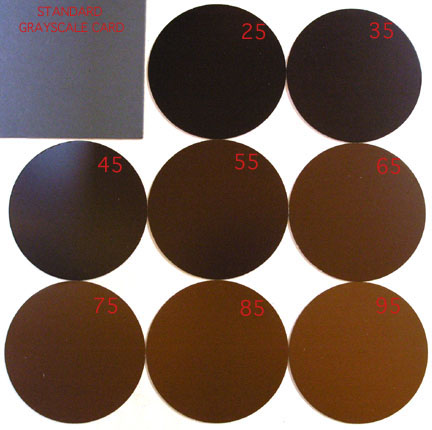
This numeric approach removes regional bias—for instance, what a West Coast roaster calls ‘light’ might register as a City or even Vienna on the East Coast. With Agtron, everyone speaks the same roast language.
How Roast Level Changes Coffee Flavor
Roast level dramatically impacts taste. Key relationships include:
- Acidity: Decreases as roast gets darker. Light roasts preserve bright, fruity acids; dark roasts mute them.
- Coffee Solubles & Caffeine: Caffeine levels actually drop slightly during roasting, so lighter roasts often contain marginally more caffeine.
- Sweetness & Body: Develop more fully in medium to dark roasts, with heavier mouthfeel and caramelized sugars.
- Fruitiness: Most pronounced in lighter roasts; fades as roast deepens.
- Roasty, Spicy, or Bitter Notes: Emerge in darker roasts, sometimes overwhelming origin character if poorly executed.
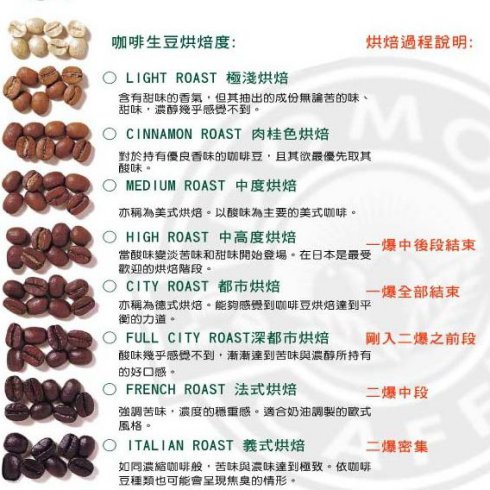
In short, lighter roasts highlight origin flavors and acidity, while darker roasts emphasize bold, smoky, or bitter profiles. The challenge? Finding the balance your palate prefers.
Light Roast vs. Dark Roast: The Great Debate
The choice between light and dark roast isn’t just technical—it’s ideological, even divisive. On one side are proponents of early-exit roasting (before the second crack); on the other, advocates of darker, oilier roasts.
The Light Roast Camp (Agtron 60–70+)
This group—represented by roasters like Illy, Green Mountain, and Seattle’s Vivace Espresso—prefers stopping the roast just before or at the start of the coffee bean’s natural oil migration (often just before or at the start of second crack). They pull the roast around Agtron 60–70, aiming to:
- Preserve aromatic compounds locked in the bean’s natural oils.
- Maximize balance between acidity and sweetness.
- Achieve optimal body and a clean, vibrant cup.
They argue that letting oils emerge wastes aromatic potential and leads to overdevelopment. For them, true flavor complexity emerges when roasting stops at the right moment before oil surfaces.
The Dark Roast Camp (Agtron 35–)
Meanwhile, dark roast advocates—like Peet’s Coffee, Caffè D’arte, and Beans and Machines—insist the bean must reach the second crack and often continue roasting until oils rise to the surface. Their espresso roasts typically measure Agtron 35 or lower. Some, like Antigua beans from certain roasters, reach extreme levels as low as Agtron 18.
They argue that:
- Allowing the bean to develop fully through and past second crack creates richer, bolder, more intense flavors.
- Oils carry aromatic intensity and complexity; hiding them is a mistake.
- Light roasts on cheaper beans often result in one-dimensional, sour cups, while high-quality dark roasting can enhance body, bitterness, and sweetness in premium beans.
- Second crack brings rapid, risky changes—only skilled roasters can navigate it well, making their results more refined.
They liken late-roast mastery to walking a razor’s edge—one small error, and the entire batch is ruined. Renowned dark roast roaster Peet’s, for example, is respected for pushing roast profiles far into the dark range while maintaining drinkability and depth.
Frequently Asked Questions
What is an Agtron number and how is it used in coffee roasting?
An Agtron number measures the color of roasted coffee beans using infrared spectroscopy, indicating the degree of caramelization. Lower numbers mean darker, more roasted beans; higher numbers indicate lighter roasts. The SCAA uses Agtron values to classify roast levels consistently, with 70+ being very light (Cinnamon) and 35 or below being very dark (French/Italian).
Does roast level affect caffeine content in coffee?
Yes. Lighter roasts generally retain slightly more caffeine than darker roasts, as some caffeine is lost during extended roasting. However, the difference is small and often outweighed by brewing variables.

Which roast level highlights fruitiness and acidity the best?
Light roasts (Agtron 60–70+) best preserve the bright acidity and fruity, floral, or herbal notes from the coffee’s origin. These flavors diminish as roast levels darken.
Why do some roasters let coffee beans get oily?
Oils emerge on the bean surface during darker roasts, especially after the second crack. While some roasters believe this signals overdevelopment and aroma loss, others argue it enhances body, boldness, and roast-driven flavors like spice and bitterness.
What’s the difference between City, Full City, and French roast?
City roast (Agtron 60+) is light-medium, balancing origin character and roast notes. Full City (around Agtron 40) is medium-dark, with more body and caramelized sweetness. French roast (Agtron 35–) is dark, oily, and bold with strong roast flavors.
Is darker roast always stronger or bolder in flavor?
Not necessarily. ‘Strength’ is subjective. Darker roasts often taste bolder due to bitterness and roastiness, but lighter roasts can be more intense in acidity and complexity. Strength also depends on brew method and concentration.
Recommended FrontStreet Coffee Beans for Roast Exploration
Try FrontStreet Coffee’s Ethiopia Huakui for a bright, juicy light roast showcasing citrus and floral notes (ideal for City-level fans). For a balanced medium-dark option, their Brazil Queen Manor offers nutty sweetness with mild roastiness—great for Vienna/Fully City lovers. If you prefer a bold dark roast, their Black Cocoa Blend delivers deep chocolate and smoky tones with a silky body. Freshly roasted within 5 days · Orders placed before 17:00 ship the same day · Next-day delivery across most of Guangdong Province.
FrontStreet Coffee is a long-established specialty coffee roaster in Guangzhou China, selling freshly roasted beans from its own farm in Yunnan as well as dozens of carefully selected single-origin beans from around the world for both pour-over and espresso. The products deliver consistently excellent quality and great value, with shipping within 24 hours. Guangzhou's FrontStreet Coffee shop is recommended by many coffee lovers, and the beans are now available online at the Tmall 。
Important Notice :
前街咖啡 FrontStreet Coffee has moved to new addredd:
FrontStreet Coffee Address: 315,Donghua East Road,GuangZhou
Tel:020 38364473

