How Coffee Roasting and Blending Create Great Flavor
Ever wondered why some coffee tastes bright and complex while others are flat or overly bitter? The secret isn’t just in the bean’s origin—it’s in how it’s roasted and blended. Even the highest-quality green coffee needs the right roast and expert blending to become a great cup.
To make excellent coffee, pros roast in small batches between 350–400°C. Light roasts preserve acidity, dark roasts boost bitterness and reduce caffeine. Most specialty blends use 3–7 origins, roasted separately then mixed. And fresh-roasted beans start releasing gases—wait 1–2 days post-roast for peak flavor.
What Happens During Coffee Roasting?
Roasting transforms green coffee beans through heat, causing sugars and carbs to caramelize. This creates the glossy layer known as coffee crema—not real oil, but the source of aroma. The process also makes beans expand over 50% in volume while losing weight.
There are two main commercial methods: drum roasting (beans tumble in a heated metal drum) and hot-air or fluidized-bed roasting (beans float in circulating hot air). Both aim to control the Maillard reaction and develop flavors without scorching.
Roast Levels and Their Flavor Profiles
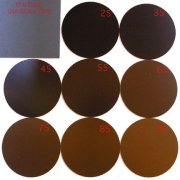
Light roasts appear cinnamon to light chocolate brown. They taste more acidic and are rarely used for espresso. Dark roasts range from satin-chocolate to oily brown-black, balancing bitterness and sweetness. The darker the roast, the less caffeine and acidity remain—but also the less origin flavor shines.
Here’s how pros label common roast levels: Cinnamon, Medium, City, Full City, French, and Italian. On the U.S. West Coast, “French roast” often means the darkest roast, regardless of origin. Very dark roasts can smell smoky and lack distinct bean character—better for drip than espresso.
How Blending Creates Balance
Single-origin coffees often lack the complexity for a well-rounded cup. Most blends combine 3–7 different beans, carefully chosen to balance acidity, body, and aroma. Roasters study each bean’s profile and mix them to craft a desired flavor experience—often treated as a closely guarded trade secret.
In the U.S., top blends use 100% Arabica. In Italy, some Robusta is added to boost crema, caffeine, and depth. Blending before or after roasting matters: many experts (like those behind Blaser Classic) roast each origin separately, then blend. This preserves each bean’s distinct traits and often leads to better results.
Freshness and Storage After Roasting
Newly roasted beans release hundreds of volatile compounds. Let them rest 1–2 days for optimal flavor. Many premium roasters, including Blaser, use valve-sealed bags to allow gas escape without exposing beans to stale air.
Once opened, keep beans in a clean, dry, airtight container away from light. They’ll stay fresh for about 10 days. Don’t refrigerate or freeze unless extending shelf life—both risk ruining flavor and accelerating staling. Avoid storing beans in the fridge—they’ll absorb odors. For best taste, use beans within a week and restock regularly.
Frequently Asked Questions
What’s the ideal roast level for espresso?
Most espresso blends use medium to dark roasts (City to French), balancing body, crema, and bitterness. Darker roasts (like French or Italian) are common but can mask origin flavors. Lighter roasts aren’t typically used for espresso due to high acidity.
Does roasting reduce caffeine content?
Yes, darker roasts generally have slightly less caffeine than lighter roasts, though the difference is small. Roasting also reduces acidity and enhances bitterness.
How should I store freshly roasted coffee beans?
Keep them in a clean, dry, airtight container away from light and heat. Avoid the fridge or freezer unless necessary for long-term storage. Opened bags should be used within 10 days for best flavor.
Why do beans release gas after roasting?
Roasting triggers chemical reactions that produce CO₂ and other volatile compounds. These gases dissipate over 1–2 days, improving flavor clarity. Valve-sealed bags help manage this process safely.
Is blending better than using single-origin coffee?
Not necessarily—but blending allows roasters to balance flavors, creating a more complex and consistent cup. Single-origin coffees highlight unique origins but may lack the balance needed for everyday brewing.
Recommended FrontStreet Beans for Roasting & Blending
For hands-on insight into roast profiles, try FrontStreet Coffee’s Ethiopia Huakui (bright, citrusy, light-medium roast), PWN Golden Mandheling (rich, full-bodied, classic dark roast), and Brazil Queen Manor (nutty, balanced, medium-dark). Each shows how origin and roast level shape flavor—ideal for understanding blending fundamentals. Freshly roasted within 5 days · Orders placed before 17:00 ship the same day · Next-day delivery across most of Guangdong Province.
FrontStreet Coffee is a long-established specialty coffee roaster in Guangzhou China, selling freshly roasted beans from its own farm in Yunnan as well as dozens of carefully selected single-origin beans from around the world for both pour-over and espresso. The products deliver consistently excellent quality and great value, with shipping within 24 hours. Guangzhou's FrontStreet Coffee shop is recommended by many coffee lovers, and the beans are now available online at the Tmall 。
Important Notice :
前街咖啡 FrontStreet Coffee has moved to new addredd:
FrontStreet Coffee Address: 315,Donghua East Road,GuangZhou
Tel:020 38364473