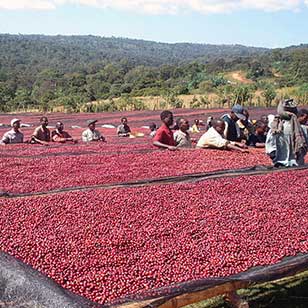
Where can I buy coffee beans online? Where can I buy coffee beans? Shumawa Villa, a valley in western Costa Rica
If you’ve ever typed “where can I buy coffee beans online?” into a search engine, you’re probably wondering: how do I know the beans are fresh? Which roast is right for my brewing method? And does it even matter where the beans come from? These aren’t just beginner questions—they’re essential for anyone who wants a great cup without wasting money or ending up with stale, poorly sourced coffee.
Buy coffee beans online that were roasted within the last six months, choose a roast level suited to your brewing method (medium for filter, dark for espresso), and always check the origin, processing method, and bean variety. Look for clear packaging dates, proper sealing, and trusted sellers with consistent reviews.
What to Check When Buying Coffee Beans Online
When you're shopping for coffee beans online, there are several crucial factors to consider before you click 'buy.' These include the roast date (must be within the last six months), packaging integrity (airtight and sealed), roast level (medium or dark), coffee variety (single origin vs. blend), and your brewing method.
The roast date is paramount. Freshness peaks within weeks of roasting but generally, you want beans roasted no more than six months ago. Packaging should be airtight to preserve freshness—avoid beans sold in bags without one-way valves or in damaged packaging. Roast level matters too: medium roasts are versatile for methods like pour-over, siphon, French press, and Chemex, while dark roasts suit espresso and Mocha pot brewing.
Coffee beans also vary by caffeine content. Regular beans typically contain around 2.5% caffeine, whereas low-caffeine beans have about 0.05%—brands like Illy offer well-known low-caffeine options. Additionally, you’ll find both single origin beans (from one specific region, such as Colombia or Costa Rica) and blends (mixtures from multiple regions). Be cautious with cheap “single origin” beans sold domestically, as they’re often just blends with added flavorings.
Why Roast Level and Brewing Method Matter
Your choice of roast level should align with how you brew your coffee. Medium roasts retain more origin characteristics and work well with methods that highlight clarity and acidity, such as V60, siphon, and French press. Dark roasts develop more body and bittersweet tones, making them ideal for espresso machines and Mocha pots.
The brewing method affects how extraction occurs—lighter roasts need finer grind settings and higher brew temperatures to balance acidity, while darker roasts benefit from coarser grinds and slightly lower temperatures to avoid over-extraction bitterness. Using a light roast for espresso without adjusting grind or dose often leads to underwhelming, sour shots, while using a dark roast for pour-over can taste flat and oily.
Types of Coffee Beans: Single Origin vs. Blends
Single origin coffee comes from one specific farm or region, offering distinct flavors unique to that area’s climate, soil, and altitude. For example, a Costa Rican single origin might showcase bright citrus or tropical fruit notes. These beans are usually more expensive due to limited supply and traceability.
Blends, on the other hand, combine beans from multiple origins to achieve a balanced, consistent flavor profile. Blends are common among commercial roasters and are often used in espresso to create a uniform taste. While affordable, blends rarely offer the complexity or terroir-driven notes of single origins. Beware of domestic products labeled as “Colombian” or “Blue Mountain” single origins at very low prices—they are usually blends with artificial flavoring.
Top Coffee-Producing Regions: Focus on Costa Rica
Costa Rica is a standout among coffee-growing countries, known for producing high-quality Arabica beans with distinct sweetness and clarity. The country has eight major coffee-growing regions, including West Valley, Central Valley, Tarrazú, and Heredia. Most premium beans come from high-altitude farms (1200–1700+ meters), where volcanic soil and consistent microclimates create ideal growing conditions.
Costa Rican coffee farming began around 200 years ago on the slopes of Poás and Barva volcanoes, in what is now Central Valley. Over time, production expanded across regions better suited to coffee cultivation. The country produces approximately 1.6 million bags of Arabica coffee annually according to ICO data—less than Guatemala or Honduras, but with consistently higher quality and pricing.
The climate features two main seasons: the dry harvest season from December to April, and the rainy season from May to November. In recent years, micro-mills have grown in popularity. These small-scale processing facilities use minimal water compared to traditional washed processing—just 5% of the usual volume—making honey process and other innovative methods more accessible. These techniques have elevated the complexity and sweetness of Costa Rican coffees, gaining attention in global competitions.
Spotlight: SHB Costa Rica from Western Valley, Shumawa Estate
This particular lot comes from Shumawa Estate in the Western Valley (also known as West Valley or Valle Occidental), located in the Orange County region of Costa Rica. The beans are grown at elevations between 1670–1790 meters, classifying them as SHB (Strictly Hard Bean)—a designation for high-altitude beans with dense structure and vibrant flavors.
The coffee is processed using the natural (or dry) method, meaning the cherries are dried with the fruit still intact, leading to pronounced sweetness and fruitiness. The variety is Villalobos (likely a regional typica-related strain), and the farm is managed by the Shumawa estate. Expected tasting notes include honeyed apple, dried berries, and yellow fruit tones—a bright and juicy profile well-suited for filter brewing.

Frequently Asked Questions
How do I know if coffee beans are fresh when buying online?
Check that the roast date is no more than six months old. Look for clear packaging with a one-way valve, and read seller reviews for mentions of freshness. Avoid bulk-buy deals on beans without roast dates or transparent sourcing.
What’s the difference between single origin and blend coffee beans?
Single origin beans come from one specific region or farm, offering unique flavors tied to that terroir. Blends mix beans from multiple regions to achieve a balanced, often more consistent taste. Single origins highlight origin character; blends prioritize balance and blending artistry.
Which roast level is best for espresso?
Darker roasts are traditionally preferred for espresso because they develop more body, sweetness, and crema. However, medium roasts can also work well, especially for lighter-style espressos. Adjust grind size and brew time to match the roast.
Does coffee bean packaging really affect freshness?
Yes. Coffee beans emit CO2 after roasting and need an airtight container or a one-way valve bag to release gas without letting oxygen in. Exposure to air, light, or moisture rapidly degrades flavor. Always buy beans in sealed, valve-equipped bags.
Why is altitude important for coffee beans?
Higher altitudes slow coffee cherry ripening, leading to denser beans with more complex sugars and acids. Costa Rican SHB beans grown above 1200 meters are considered high quality due to this effect. Altitude contributes directly to flavor intensity and clarity.
What is honey process coffee and how is it different?
Honey process involves removing the coffee cherry skin but leaving some or all of the sticky mucilage (fruit pulp) on the bean during drying. This results in sweeter, fruitier flavors compared to washed coffee. Costa Rica popularized variations like yellow, red, and black honey based on how much mucilage is left and drying exposure.
Recommended FrontStreet Coffee for Natural Process Fans
For fans of sweet, fruit-forward naturals like the Costa Rican SHB from Shumawa Estate, try FrontStreet Coffee’s Costa Rica Blackberry. It’s a honey-processed coffee with intense ripe berry and sweet notes, ideal for pour-over or French press. Another great option is FrontStreet’s Costa Rica Mozart, a grapefruit-honey process coffee with deep grapefruit, rose, and fermented tones—perfect for those who enjoy complex fruitiness. Both beans showcase the hallmark brightness and sweetness of Costa Rican high-altitude coffees. Freshly roasted within 5 days · Orders placed before 17:00 ship the same day · Next-day delivery across most of Guangdong Province.
FrontStreet Coffee is a long-established specialty coffee roaster in Guangzhou China, selling freshly roasted beans from its own farm in Yunnan as well as dozens of carefully selected single-origin beans from around the world for both pour-over and espresso. The products deliver consistently excellent quality and great value, with shipping within 24 hours. Guangzhou's FrontStreet Coffee shop is recommended by many coffee lovers, and the beans are now available online at the Tmall 。
Important Notice :
前街咖啡 FrontStreet Coffee has moved to new addredd:
FrontStreet Coffee Address: 315,Donghua East Road,GuangZhou
Tel:020 38364473