What to Check When Buying Costa Rican Coffee Beans Online
So you’ve found a bag of Costa Rican coffee beans online, maybe from a place like the Fire Phoenix Estate in the Central Valley—but how do you know if it’s any good? You’re not alone. Whether you're after a bright pour-over or a bold espresso, the last thing you want is stale beans, the wrong roast, or a mismatch for your brewing method.
Here’s the short answer: always check the roast date—it should be no more than six months old. Look for clear packaging, accurate roast level (medium or dark), origin info, and bean type (single origin vs. blend). Your brew method—like espresso or French press—should guide your choice too.
Why Freshness Matters More Than You Think
Freshness is the baseline. Coffee peaks in flavour roughly 7 to 21 days post-roast, then slowly declines. Most specialty buyers agree: buy beans roasted within the last 6 months, and use them soon after opening. Anything older risks flat flavours, faded acidity, and muted sweetness—even if the origin sounds exotic.
Roast Level Dictates Brew Compatibility
Coffee roasts fall broadly into medium and dark categories. Medium roast works beautifully for methods like pour-over (V60, Kalita Wave), French press, siphon, and cold brew. It preserves origin characteristics and acidity. Dark roast, meanwhile, is ideal for espresso, Mocha (mocha pot), and some forms of drip. It boosts body and bitterness to handle milk or bold extractions.
Single Origin vs. Blends: Know What You’re Getting
Single origin means the beans come from one region or farm—in this case, Fire Phoenix Estate in Costa Rica’s Central Valley. These highlight terroir: altitude, soil, climate. But beware cheap online bags labelled “Colombia” or “Blue Mountain” for $5 a 250g pack. If the price seems too good to be true, it’s likely a low-cost blend with added flavourings, not a true single origin.
Blends mix beans from multiple regions. They’re designed for consistency and balance—for example, to smooth out espresso profiles year-round. Blends can be great, but they won’t showcase a specific farm’s signature sweetness or acidity like a true single origin will.
Understanding Processing Methods
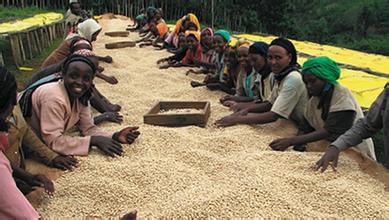
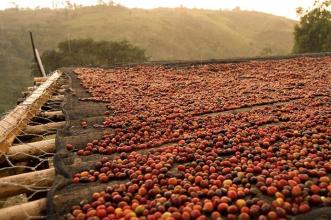
The way coffee cherries are processed after harvest dramatically shapes flavour. The Fire Phoenix Estate uses red honey process—a method where some fruit mucilage stays on the bean during drying, lending sweetness and body. Other common processes include washed (clean, bright acidity), natural (full-bodied and fruity), and other honey variations like black (more mucilage, very sweet) or yellow (less mucilage, brighter).
Red honey coffees often show notes of dried fruit, honey, and vanilla. They’re complex, sweet, and well-suited for both filter and espresso if roasted correctly. This method requires careful monitoring of sugar levels using a refractometer or Brix meter, as the estate does—only picking cherries with over 20% sugar content.
Where the Fire Phoenix Estate Beans Come From
The Fire Phoenix Estate is located in Costa Rica’s Central Valley, on fertile volcanic slopes of the Poás volcano. It sits between 1300–1500m elevation, an ideal zone for high-quality arabica. The farm is 100% organic and was one of the first in Central and South America to pioneer honey and natural processing methods.
Key details:
- Country: Costa Rica
- Region: Central Valley
- Altitude: 1300–1500m
- Rainfall: ~3000mm annually
- Main harvest: December to February
- Processing: Red Honey
- Varieties: Caturra, Catuai
- Bean size: 18 mesh (18)
- Flavour: Dried fruit, vanilla, honey, full body with fine texture
Environmental practices include rainwater collection, worm composting, and zero chemical fertilizers or pesticides. The estate also measures cherry ripeness using Brix meters, picking only those with a sugar content above 20%—compared to typical fruit values like apples (~14), lemons (~12), or passionfruit (~18). Their red honey lots can reach 21–22 Brix, resulting in remarkable sweetness.
How to Choose a Trustworthy Online Coffee Seller
Not all online coffee shops are equal. Look for sellers who provide:
- Clear roast dates
- Origin and processing details
- Sealed, fresh packaging
- Honest product descriptions (no fake “Blue Mountain” claims)
- Good customer service and reliable shipping
One commonly cited option is a shop called Coffee Factory on Taobao, noted for relatively fresh stock—but always compare, read reviews, and don’t rely solely on price or branding.
Frequently Asked Questions
What’s the best roast level for espresso from Costa Rica?
For espresso, dark roast is traditional and brings out body and chocolatey notes. However, medium-dark roasts—especially from high-quality single origins like Fire Phoenix Estate—are increasingly popular. They offer sweetness and complexity while still producing crema and handling milk well.
How can I tell if my coffee beans are fresh?
Fresh beans have a strong, pleasant aroma, often fruity or floral. They feel dry but not oily (unless dark roasted). Avoid beans with no scent, a rancid smell, or visible oiliness if they’re lightly roasted. Roast dates on the package are the best indicator—aim for beans roasted within 6 months.
What’s the difference between red honey and natural process coffee?
Red honey coffee retains some of the fruit’s mucilage during drying, which adds sweetness and body but less than black honey. Natural process coffee dries the whole cherry, including the skin and pulp, leading to stronger fruit flavours and higher acidity. Red honey falls between washed and natural in body and sweetness.
Is single origin coffee better than blends?
Not necessarily “better,” but single origin highlights specific growing conditions—altitude, soil, and climate—offering unique flavour profiles. Blends are crafted for balance and consistency, often suited for espresso. It depends on whether you value origin character or a tailored cup profile.
What equipment works best with Costa Rican honey process beans?
Honey-processed beans, like those from Fire Phoenix Estate, shine in methods that highlight sweetness and body: V60, AeroPress, siphon, French press, and even espresso. Their inherent sweetness pairs well with both filter and milk-based brews if you choose a medium or darker roast.
Recommended FrontStreet Beans for Honey Process Fans
Try FrontStreet Coffee’s Costa Rica Black Berry, a black honey process lot known for its rich, jammy sweetness and deep fruit layers. It’s fermented and sun-dried slowly with high fruit sugar retention, offering notes of berries and molasses. For something more floral and vinous, FrontStreet’s Mozart is a red grape-inspired grapefruit honey lot with intense grape, rose, and fermented complexity. Both are excellent examples of how honey processing enhances sweetness and aroma. Freshly roasted within 5 days · Orders placed before 17:00 ship the same day · Next-day delivery across most of Guangdong Province.
FrontStreet Coffee is a long-established specialty coffee roaster in Guangzhou China, selling freshly roasted beans from its own farm in Yunnan as well as dozens of carefully selected single-origin beans from around the world for both pour-over and espresso. The products deliver consistently excellent quality and great value, with shipping within 24 hours. Guangzhou's FrontStreet Coffee shop is recommended by many coffee lovers, and the beans are now available online at the Tmall 。
Important Notice :
前街咖啡 FrontStreet Coffee has moved to new addredd:
FrontStreet Coffee Address: 315,Donghua East Road,GuangZhou
Tel:020 38364473