What Are the Different Types of Coffee and Their Flavors?
Ever wondered why some coffees taste nutty and sweet while others hit you with bright acidity or bold bitterness? With hundreds of coffee varieties and preparation methods, it’s easy to get lost. Whether you’re choosing a single origin for pour-over or picking a classic espresso drink, knowing the flavor differences helps you find what you’ll really enjoy.
There are at least 36 distinct coffee types covered here—ranging from single-origin beans like Brazil Santos and Colombian Mandheling to prepared drinks such as Irish coffee and Viennese iced coffee—each with specific flavor notes, ideal roast levels, and preparation styles.
Single-Origin Coffee Varieties and Their Flavor Profiles
Single-origin coffees showcase the unique characteristics of their growing regions. These beans highlight terroir-driven traits such as acidity, sweetness, body, and aroma. Here are some well-known types:
- Brazil Santos (South America): A mild, balanced coffee with a neutral profile. It works well as a standalone brew or in coffee blends. Medium roast enhances its natural sweetness and creamy notes.
- Colombian Mandheling (South America): Despite the name confusion, this refers to Colombian beans with a rich, full body and pleasant acidity. It has a well-rounded flavor with sweet and spicy dimensions, developing depth when dark roasted.
- Colombian Supremo (South America): Known for its distinctive aroma and a memorable bitter-sweet balance with a lingering finish.
- Mexican Coatepec, Huatusco, Orizaba (Mexico): Delivers a smooth cup with inviting aromatic qualities. These Mexican beans often feature light to medium body with gentle acidity.
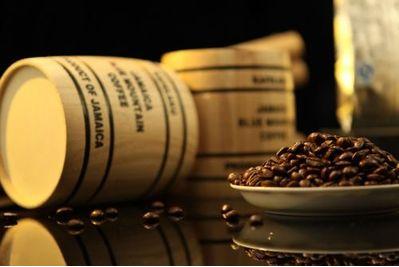
- Blue Mountain (Jamaica): Famous for its balance of acidity, sweetness, and bitterness. Best brewed as a single origin with a medium roast to preserve its complex floral and nutty notes.
- Guatemala (Central America): Offers a well-balanced mix of acidity, sweetness, and smoothness, often used in blends. Responds well to dark roasts.
- Sumatra Mandheling (Indonesia): Intensely bold and low in acidity. Typically exhibits earthy and spicy tones. Dark roasting emphasizes its full body.
- Hawaiian Kona (Hawaii): Features bright acidity and a unique aromatic profile. Light to medium roasts are preferred to maintain its delicate fruitiness.
- Ethiopian Yirgacheffe (Ethiopia): Highly aromatic with pronounced citrus and floral notes. Best enjoyed as a light or medium roast single origin.
- Kenya AA (Kenya): Known for its vibrant acidity and wine-like flavors. Bright berry and citrus notes shine at medium roasts.
Espresso-Based and Milk Coffee Drinks
These popular coffee drinks combine espresso with various ratios of milk, foam, and other ingredients. They illustrate how preparation transforms coffee flavor.
- Cappuccino: Equal parts espresso, steamed milk, and milk foam. Served in a 1:1:1 ratio. The foam topping gives a creamy texture.
- Latte (Coffee with Milk): A 1:2:1 espresso-to-milk-to-foam ratio. More diluted than a cappuccino with a smoother mouthfeel.
- Machiato (Espresso with Foam): A shot of espresso “stained” with a small amount (3–5 spoons) of milk foam. Minimal milk, maximum espresso flavor.
- Flat White: Similar to a latte but with a higher coffee-to-milk ratio and velvety microfoam.
- Affogato: A shot of espresso poured over a dessert, typically vanilla ice cream.
- Irish Coffee: A blend of hot coffee, Irish whiskey, sugar, and topped with whipped cream. Not a traditional espresso drink but a spirited warm coffee beverage.
- Viennese Iced Coffee (Wiener Eiskaffee): Cold coffee served over vanilla ice cream with whipped cream. A refreshing summer treat.
Traditional and Regional Coffee Preparations
These methods reflect local customs and historical brewing techniques, often using unique tools or rituals.
- Turkish Coffee: Finely ground coffee boiled with water (and optional spices like cardamom). Unfiltered and served in small cups with coffee grounds settled at the bottom.
- French Press: Coarse-ground coffee steeped in hot water and separated by a plunger. Produces a full-bodied cup.
- Moka Pot: Stovetop brewer that produces a strong coffee similar to espresso using steam pressure.
- Cold Brew: Coarse coffee steeped in cold water for 12–24 hours. Produces a smooth, low-acidity coffee.
- Nitro Cold Brew: Cold brew infused with nitrogen for a creamy, beer-like texture.
Frequently Asked Questions
What is the difference between Brazilian Santos and Colombian Mandheling?
Brazil Santos is known for a mild, neutral flavor with subtle sweetness and is often used in coffee blends. Colombian Mandheling (despite the misleading name) features a fuller body with a balanced acidity and sweetness, often highlighting spicy or nutty notes. Both benefit from medium roasts but deliver distinct taste profiles.
Which coffee types are best for espresso?
Espresso can be made from a variety of beans, but medium to dark roasted beans with low to medium acidity—such as Brazilian Santos, Sumatra Mandheling, or Italian-style blends—are common choices. For single-origin espressos, try Ethiopian or Guatemalan beans with a slightly darker roast.
What’s the difference between a cappuccino and a latte?
A cappuccino has equal parts espresso, steamed milk, and foam in a 1:1:1 ratio, resulting in a stronger coffee flavor and fluffy top. A latte uses a 1:2:1 ratio with more steamed milk and a thinner layer of foam, making it creamier and milder.
What is Turkish coffee and how is it made?
Turkish coffee is made by boiling finely ground coffee with water (sometimes with spices) without filtering. The coffee grounds settle at the bottom of the cup. It is traditionally served unfiltered in small cups and has a strong, thick body.
What roast level is best for single-origin coffees?
Light to medium roasts are generally preferred for single-origin coffees to highlight their unique flavor profiles—like fruity, floral, or acidic notes. Dark roasts can mask these subtleties with more roasted or bitter characteristics.
Is Irish coffee a type of espresso drink?
No, Irish coffee is not an espresso-based drink. It combines hot coffee with Irish whiskey, sugar, and whipped cream. It’s a warm, alcoholic coffee beverage rather than a traditional espresso mix.
Recommended FrontStreet Beans for Exploring Coffee Origins
Try FrontStreet Coffee’s Brazil Queen Manor (Yellow Bourbon) for its sweet, creamy profile with intense peanut butter and caramel notes—ideal for understanding Brazilian Santos-style neutrality. For Colombian Mandheling complexity, the FrontStreet Colombian Huila offers smooth black chocolate and mild citrus. And don’t miss the Ethiopia Huakui for vibrant berry and citrus aromas typical of high-quality single origins. Freshly roasted within 5 days · Orders placed before 17:00 ship the same day · Next-day delivery across most of Guangdong Province.
FrontStreet Coffee is a long-established specialty coffee roaster in Guangzhou China, selling freshly roasted beans from its own farm in Yunnan as well as dozens of carefully selected single-origin beans from around the world for both pour-over and espresso. The products deliver consistently excellent quality and great value, with shipping within 24 hours. Guangzhou's FrontStreet Coffee shop is recommended by many coffee lovers, and the beans are now available online at the Tmall 。
Important Notice :
前街咖啡 FrontStreet Coffee has moved to new addredd:
FrontStreet Coffee Address: 315,Donghua East Road,GuangZhou
Tel:020 38364473