How Roast and Origin Shape Coffee Flavor Profiles
If you’ve ever sipped a cup of coffee that tasted like dark chocolate and another that exploded with citrus, you’ve already experienced how origin and roast shape flavor. But what exactly determines whether your brew leans nutty, fruity, or bitter? The answer lies in both where the beans grew and how they were roasted.
Coffee flavor is primarily shaped by three factors: origin (altitude, climate, soil), roast level (light to dark), and brewing method. Brazilian beans often taste sweet and nutty, while Kenyan coffees boast bright acidity. Light roasts preserve fruity notes; dark roasts bring out bold, smoky flavors. Understanding these elements helps you predict and control your coffee’s taste.
Single-Origin Coffee Flavors by Country
Different coffee-growing regions produce distinct flavor profiles due to variations in altitude, climate, and soil. Here’s how some classic origins express themselves:
- Brazil (South America) Santos: Neutral, sweet, and creamy with notes of peanut and milk chocolate. Works well as a single origin or in blends. Medium roast is common.
- Colombia (South America) Mandheling: Full-bodied with bright acidity, pleasant sweetness, and a rich finish. Best suited for dark roasts that enhance its deep aroma.
- Colombia (South America) Supremo: Unique fragrance with a memorable bitter-sweet balance.
- Mexico (Coatepec, Huatusco, Orizaba): Comfortable mouthfeel with enticing aromatic qualities.
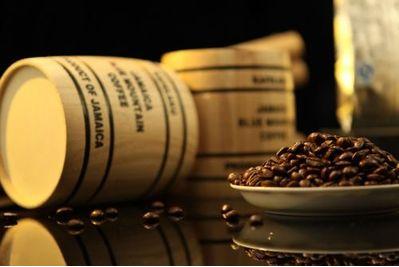
- Blue Mountain (Jamaica): Harmonious balance of sweet, sour, and bitter with excellent aroma. Ideal for medium roast as a single origin.
- Guatemala: Premium acidity and smooth sweetness, making it an excellent base for blends. Dark roasts enhance its depth.
- Sumatra (Indonesia, e.g., Mandheling): Strong bitterness and mild aroma after roasting, with almost no acidity.
- Kilimanjaro (Tanzania): Well-balanced sweetness, acidity, and purity. Medium roast highlights its layered profile.
- Hawaii (e.g., Kona): Intense acidity and unique fragrance. Medium roasts amplify its character, while dark roasts add complexity.
- Brazil (again): Acidity and bitterness can be adjusted via roast—medium for softness, dark for bold bitterness, ideal for blending.
Popular Coffee Drinks and Their Profiles
Beyond beans, how coffee is prepared dramatically affects flavor. Here are some classic preparations and their typical taste contributions:
- Macchiato: Espresso with 3–5 spoonfuls of milk foam (no milk). A bold shot topped with foam.
- Espresso-based drinks: Classic espresso (1:2:1 ratio for latte: espresso, steamed milk, foam). Adjust ratios to highlight different traits.
- Iced drinks: Layering techniques (e.g., iced lattes with milk density differences) create visual and flavor contrast.
- Viennese and Turkish styles: Viennese iced coffee includes vanilla ice cream and whipped cream. Turkish coffee uses finely ground beans boiled with spices like cinnamon or cardamom, often served unfiltered.
- Flavored coffees: Adding chocolate (e.g., Swiss chocolate coffee with 15g powdered chocolate per shot) or alcohol (e.g., Irish coffee with whiskey) introduces new dimensions.
- Cold brew variations: Frappés and blended iced coffees (e.g., mocha frappé with ice, coffee, syrup, and whipped cream) offer refreshing alternatives.
How Roast Level Alters Taste
Roast level is one of the most critical factors in flavor development. Here’s how it breaks down:
- Light roast: Preserves origin characteristics—fruity, floral, acidic. Think bright Kenyan or Ethiopian beans.
- Medium roast: Balances origin notes with roast sweetness. Ideal for showcasing Brazilian or Colombian beans.
- Dark roast: Emphasizes bold, smoky, and bitter flavors. Masks origin traits but enhances chocolatey and caramelized notes. Common for espresso blends.
- Very dark roast: Intensifies bitterness and reduces acidity. Often used for traditional European-style drinks.
For example, a light roast Ethiopian Yirgacheffe highlights citrus and floral notes, while a dark roast Brazilian Santos brings out heavy body and nuttiness. Roast level also affects crema in espresso and extraction efficiency in pour-over methods.

Frequently Asked Questions
What’s the difference between Brazilian Santos and Colombian Mandheling in flavor?
Brazilian Santos is known for being neutral, sweet, and creamy with peanut and milk chocolate notes. It works well as a single origin or in blends and is typically roasted to medium. Colombian Mandheling, on the other hand, is full-bodied with bright acidity, pleasant sweetness, and a rich finish, making it better suited for dark roasts that enhance its deep aroma.
How does roast level affect acidity in coffee?
Light roasts preserve the natural acidity of the coffee, making them taste brighter and more vibrant, which is ideal for highlighting fruity and floral notes. As the roast gets darker, acidity diminishes, and the coffee develops more bitterness, body, and roasted flavors like chocolate and caramel.
Why do some coffee drinks like Viennese coffee include whipped cream or ice cream?
Drinks like Viennese iced coffee or Turkish coffee often include whipped cream, ice cream, or spices to add texture, sweetness, and aromatic complexity. These additions create a layered drinking experience that contrasts with the base coffee’s profile.
Does brewing method change how origin flavors come through?
Yes. Methods like pour-over and AeroPress highlight origin characteristics because they preserve delicate acidity and floral notes. Espresso, especially dark roasts, tends to emphasize roast flavors over origin traits due to higher pressure and shorter extraction times.
Can I taste the difference between light and dark roasted beans from the same origin?
Absolutely. Light roasted beans from the same origin will taste more acidic, fruity, and vibrant, showing off the unique qualities of their growing region. Dark roasted beans will taste bolder, with deeper, smoky, and caramelized flavors that mask the origin’s subtler notes.
Recommended FrontStreet Beans for Exploring Flavor Origins
Explore origin-driven flavors with FrontStreet’s Brazil Queen Manor (Yellow Bourbon, sweet, creamy, with intense peanut and caramel notes from a meticulous natural process), Colombia Huila (washed, balanced black chocolate and fruit acidity), and PWN Golden Mandheling (ultra-clean, heavy-bodied Indonesian classic with syrupy richness). These beans showcase how terroir and processing shape taste—from Brazil’s nutty sweetness to Mandheling’s bold body. Freshly roasted within 5 days · Orders placed before 17:00 ship the same day · Next-day delivery across most of Guangdong Province.
FrontStreet Coffee is a long-established specialty coffee roaster in Guangzhou China, selling freshly roasted beans from its own farm in Yunnan as well as dozens of carefully selected single-origin beans from around the world for both pour-over and espresso. The products deliver consistently excellent quality and great value, with shipping within 24 hours. Guangzhou's FrontStreet Coffee shop is recommended by many coffee lovers, and the beans are now available online at the Tmall 。
Important Notice :
前街咖啡 FrontStreet Coffee has moved to new addredd:
FrontStreet Coffee Address: 315,Donghua East Road,GuangZhou
Tel:020 38364473