How to Tell the Difference Between Mocha, Latte, and Other Coffee Drinks
If you’ve ever stood in front of a coffee menu and wondered what actually separates a mocha from a latte, or why a macchiato is served differently, you’re not alone. With dozens of named coffee drinks around the globe—from Vienna iced coffee to Turkish brew—knowing what you're ordering (or brewing) comes down to roast style, milk type, foam levels, and flavor balance.
There are at least 36 distinct coffee drinks covered in this guide, each defined by unique ingredients like chocolate, cream, or spices, as well as specific preparation methods such as layering, steaming, or brewing over ice. The key differences lie in milk ratios, coffee strength, and flavor profiles—from bold Turkish coffee to creamy affogato-style drinks.
Coffee Bean Origins and Their Flavor Foundations
Before diving into drinks, it’s essential to understand how different coffee beans shape the base flavor of your cup. These origins bring their own characteristics to espresso blends or milk-based drinks:
- Brazil Santos: Neutral, sweet, and well-balanced; great for blending or drinking straight. Works well at medium roast.
- Colombia Mandheling: Bold body with bright acidity and rich sweetness; shines at dark roast.
- Colombia Supremo: Distinct aroma with a bitter-sweet taste that lingers.
- Mexican Coatepec, Huatusco, Orizaba: Comfortable mouthfeel with fragrant aromatics.
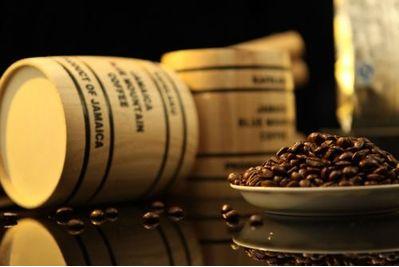
- Blue Mountain: Balanced acidity, sweetness, and bitterness; ideal as a single origin at medium roast.
- Jamaica Blue Mountain (implied in “/” context): Often enjoyed with light milk or plain; premium single origin.
Other notable single origins include:
- Hawaiian Kona: Strong acidity and unique fragrance; best at medium or dark roast.
- Guatemala: High acidity and smooth sweetness; excellent for blends at dark roast.
- Sumatra Mandheling: Intensely bitter with muted acidity; low-profile fruit notes.
- Mount Kilimanjaro: Balanced acidity, sweetness, and aroma; sweet and mild at medium roast, develops soft bitterness at dark roast for blending.
- Panama Geisha (referenced via “Panama Huacai”): Not listed directly but part of FrontStreet’s Panama Huacai blend, known for citrus, floral, and honey notes.
- Yirgacheffe (Red Cherry): Bright citrus and tropical fruit; often naturally processed with berry and mild fermentation tones.
- Kenya Little Tomato: Bold berry acidity with juicy body; high clarity and complexity.
Classic Espresso-Based and Milk Coffee Drinks
These drinks rely on espresso as the base, with variations in milk volume, foam, and texture defining their character:
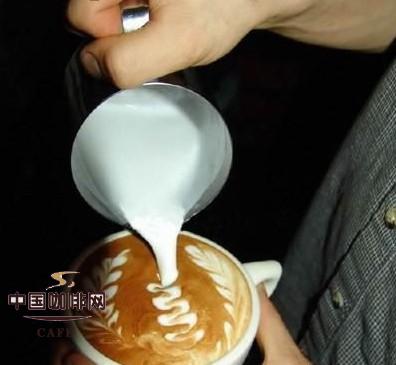
- Latte (Coffee with Milk): Equal parts espresso and hot milk, sometimes with added cream. Served in large cups. Originated during the 17th-century Turkish siege of Vienna.
- Cappuccino: Equal parts espresso, steamed milk, and milk foam. A classic Italian drink with a balanced texture.
- Macchiato: A shot of espresso “stained” with 3–5 tablespoons of milk foam—no steamed milk. Served as a small, strong shot.
- Mocha (Mochaccino): Espresso with chocolate and steamed milk; can be layered like a cocktail. Occasionally used in cocktails.
- Flat White: Similar to latte but with a higher espresso-to-milk ratio and microfoam.
- Caramel or Chocolate Coffee Drinks: Swiss Chocolate Coffee blends espresso with chocolate syrup or powder for a warming drink, especially popular in ski resorts.
Each of these relies on a specific espresso-to-milk ratio:
- Latte: 1:2:1 espresso:milk:foam (in some definitions)
- Cappuccino: 1:1:1 espresso:milk:foam
- Macchiato: 1:0:1 (espresso: milk:foam only)
Iced, Blended, and Alcoholic Coffee Variations
Cold and creative coffee drinks introduce different techniques such as layering, blending, or adding spirits:
- Iced Latte: Layered espresso and milk using weighted ratios to prevent mixing, served over ice for visual effect.
- Viennese Iced Coffee: Cold coffee with vanilla ice cream and whipped cream, served in a tall glass.
- Affogato Style: Espresso poured over ice cream, as in “” (magic ice cream coffee) with chocolate drizzle.
- Irish Coffee: Espresso or black coffee with Irish whiskey, sugar, and sometimes cream.
- Royal Coffee: Coffee with flambéed brandy and a sugar cube, served in a preheated cup.
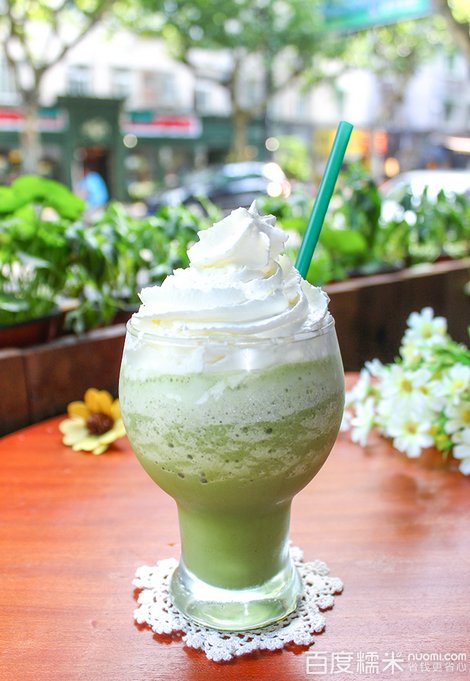
- Mocha Frappé: Blended ice coffee with ice, chocolate syrup, milk, and whipped cream.
- Iced Mocha: Espresso, ice, chocolate syrup, milk, ice cream, and whipped cream blended or layered.
- Coffee with Tea Blends: Such as “” (Yuenyeung), a mix of coffee and black tea, served hot or iced with condensed milk.
- Green Tea Coffee: Japanese-inspired blend of green tea and coffee for a balance of earthy and bitter flavors.
Special preparation steps include using whipped cream, layering liquids by density, or blending with ice. Alcohol-based drinks like Irish Coffee highlight how coffee can bridge caffeine and cocktails.
Traditional and Regional Coffee Preparations
Some coffee styles come from specific cultural traditions with unique brewing methods:
- Turkish Coffee: Finely ground dark roast brewed with water and optional spices like cinnamon or cardamom. Served unfiltered with grounds settled at the bottom. Often paired with lemon, honey, or Turkish delight.
- Espresso with Cream: “” is a shot of espresso topped with whipped cream. “” is espresso with just foam—no milk or cream.
- Cream-Based Coffees: “” and “” add whipped cream to espresso or hot cocoa respectively.
Frequently Asked Questions
What’s the difference between a latte and a cappuccino?
A latte typically has a 1:2:1 ratio of espresso, steamed milk, and foam, resulting in a milky drink with a thin foam layer. A cappuccino uses equal parts espresso, steamed milk, and foam (1:1:1), making it foamier and less milky overall, with a stronger coffee flavor per sip.
What is a macchiato?
A macchiato is a shot of espresso “marked” with a small amount of milk foam—usually 3–5 tablespoons—and no steamed milk. It’s served as a small, concentrated drink meant to show the color change (“macchia” means stain in Italian).
How is mocha different from regular coffee?
Mocha combines espresso with chocolate (syrup or powder) and steamed milk, creating a sweet, dessert-like coffee. It can be layered like a cocktail and is often topped with whipped cream. Regular coffee is typically brewed without chocolate or milk additions.
What makes Turkish coffee unique?
Turkish coffee is unfiltered and brewed with finely ground dark roast coffee, often with spices like cardamom. It’s boiled briefly, then poured slowly to leave coffee grounds settled at the bottom of the cup. It has a thick mouthfeel and strong flavor, often served with sweets.
What’s the correct way to make an iced latte?
An iced latte is made by pouring a shot (or more) of espresso over ice, then adding cold milk. The key is to avoid mixing the espresso and milk fully so they naturally layer—lighter milk floats above the darker espresso for visual contrast. Ice is added last to keep it cold without excessive dilution.
What’s in an Irish coffee?
An Irish coffee contains hot black coffee, Irish whiskey, sugar, and is often topped with whipped cream. The drink balances bitterness, sweetness, and alcohol, with the cream floated on top as a visual and textural element.
Recommended FrontStreet Beans for Exploring Coffee Origins
Discover the flavor foundations of classic coffee drinks with FrontStreet’s single-origin drip bags. Try the Ethiopia Yirgacheffe Red Cherry for bright citrus and tropical fruit notes, perfect for highlighting espresso sweetness. The Kenya Little Tomato offers bold berry acidity and juicy complexity, ideal for milk drinks or black brewing. For a balanced blend base, the Panama Huacai (Panama Huacai) features Geisha-forward citrus and floral tones. Freshly roasted within 5 days · Orders placed before 17:00 ship the same day · Next-day delivery across most of Guangdong Province.
FrontStreet Coffee is a long-established specialty coffee roaster in Guangzhou China, selling freshly roasted beans from its own farm in Yunnan as well as dozens of carefully selected single-origin beans from around the world for both pour-over and espresso. The products deliver consistently excellent quality and great value, with shipping within 24 hours. Guangzhou's FrontStreet Coffee shop is recommended by many coffee lovers, and the beans are now available online at the Tmall 。
Important Notice :
前街咖啡 FrontStreet Coffee has moved to new addredd:
FrontStreet Coffee Address: 315,Donghua East Road,GuangZhou
Tel:020 38364473