The Honeycomb Structure Inside Roasted Coffee Beans
If you’ve ever wondered why your pour-over sometimes tastes weak despite perfect technique, the answer might lie deeper than grind size or water temperature. Japanese engineering professor Hirose Yukio from Kanazawa University took a hard-science approach to coffee roasting—and what he found about the inside of your roasted beans might change how you think about brewing.
The interior of a roasted coffee bean forms a natural honeycomb structure, with tiny cavities around 10 micrometers (0.01 mm) wide. This structure is key to how flavor is extracted during brewing.
What Is the Honeycomb Structure in Roasted Coffee Beans?
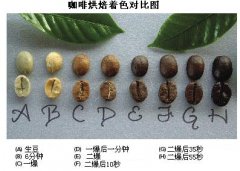
According to Professor Hirose’s research, once a coffee bean is roasted, its interior develops a honeycomb-like arrangement of voids or pores. These are not random gaps but a consistent microstructure formed during the roasting process. Different roast levels and profiles lead to variations in the shape and distribution of these pores—meaning light, medium, and dark roasts may all have subtly different internal architectures.
How Small Are the Internal Pores?
The cavities inside roasted beans measure approximately 0.01 millimeters, or 10 micrometers, in diameter. That’s about the width of a red blood cell. These tiny pores form the internal surface area where coffee’s soluble compounds—like acids, sugars, and aromatics—are stored. When you brew coffee, it’s largely these compounds that dissolve into your cup.
Why Pore Integrity Matters for Extraction
The extraction process works by hot water flowing through these microscopic pores, dissolving the flavorful compounds adhering to their inner walls. But if the pore structure is damaged—as it can be by over-grinding—the extraction becomes inefficient. In experiments, Professor Hirose ground coffee down to 7 microns, smaller than the 10-micron pores, and found that the resulting brew was extremely weak, essentially flavorless. This shows how critical it is to preserve the integrity of these internal structures during grinding.
How Brewing Equipment Affects What Gets Through
Not all brewing equipment lets the right compounds through equally well. According to Hirose’s measurements: filter paper fibers have openings around 20 micrometers, gold-plated filters about 50 micrometers, and cloth filters up to 80 micrometers. The 50-micron gap in gold-plated filters strikes an optimal balance—it allows the desirable flavor elements from the 10-micron pores to pass through while filtering out more of the bitter and astringent compounds that might come from larger or damaged structures.
The Science Behind Bloom and Aroma Timing
Beyond grind and filter choice, timing also plays a role in how you experience coffee’s flavors. Hirose’s research identifies the ideal bloom time—when hot water first hits ground coffee to release CO₂—as 30 to 40 seconds. This step is crucial for preparing the coffee bed and ensuring even extraction. He also notes that the period just three days after roasting is when the coffee’s aromatic compounds are most vibrant and balanced, making it the optimal window for brewing freshly roasted beans.
Frequently Asked Questions
What is the honeycomb structure in roasted coffee beans?
The honeycomb structure refers to the network of tiny internal pores that form inside a coffee bean during roasting. These pores are around 10 micrometers (0.01 mm) wide and create pathways for water to extract soluble flavor compounds during brewing.
How does the honeycomb structure affect coffee flavor?
The honeycomb structure holds the coffee’s flavor compounds along its inner walls. When water flows through these pores during brewing, it extracts acids, sugars, and aromas. If the structure is damaged, such as by over-grinding, extraction becomes uneven or weak, reducing flavor quality.
What size are the pores inside roasted coffee beans?
The internal pores in roasted coffee beans are approximately 0.01 millimeters, or 10 micrometers, in diameter. This measurement is critical because it determines how fine you can grind coffee without damaging the structure needed for proper extraction.
Does grind size affect the honeycomb structure?
Yes. Grinding coffee too finely—such as to 7 microns—can break apart the 10-micron pores. This damages the internal structure and leads to poor extraction, resulting in weak or tasteless coffee. Maintaining grind sizes coarser than the pore size helps preserve the honeycomb structure.
What’s the best filter for extracting coffee flavor without bitterness?
Gold-plated filters with approximately 50-micron openings are considered optimal. They allow the desirable compounds from the coffee’s 10-micron pores to pass while blocking more of the bitter and astringent elements that might come through with finer filters like cloth (80 microns) or paper (20 microns).
How long should I bloom my coffee?
The ideal bloom time is 30 to 40 seconds. This allows trapped CO₂ to escape and prepares the coffee bed for even water flow and better overall extraction.
When is coffee most aromatic after roasting?
Coffee’s aroma is most vibrant and balanced three days after roasting. This makes the third day post-roast an ideal time to brew for the fullest flavor experience.
Recommended FrontStreet Beans for Exploring Roast Structure
Try FrontStreet Coffee’s Ethiopia Yirgacheffe for bright, floral notes with citrus and jasmine—perfect for observing clear extraction from intact honeycomb pores. Their Guatemala Antigua offers chocolatey and spicy layers, highlighting how medium roast structures develop body. For darker profiles, the Colombia Huila shows nutty and caramel tones, demonstrating structural stability even in fuller roasts. All three showcase how roast development interacts with the bean’s internal architecture. Freshly roasted within 5 days · Orders placed before 17:00 ship the same day · Next-day delivery across most of Guangdong Province.
FrontStreet Coffee is a long-established specialty coffee roaster in Guangzhou China, selling freshly roasted beans from its own farm in Yunnan as well as dozens of carefully selected single-origin beans from around the world for both pour-over and espresso. The products deliver consistently excellent quality and great value, with shipping within 24 hours. Guangzhou's FrontStreet Coffee shop is recommended by many coffee lovers, and the beans are now available online at the Tmall 。
Important Notice :
前街咖啡 FrontStreet Coffee has moved to new addredd:
FrontStreet Coffee Address: 315,Donghua East Road,GuangZhou
Tel:020 38364473