The Complete Coffee Roasting Process Explained
If you’ve ever held a bag of green coffee beans and wondered how they transform into the aromatic, flavorful cups you love, you’re about to find out. Roasting isn’t just cooking beans — it’s a precise, multi-stage process that unlocks complex flavors through heat, pressure, and chemical transformation.
Coffee roasting typically takes 12–16 minutes, reaches temperatures up to 450°F (232°C), causes two audible 'cracks' (first at ~190–200°C, second at ~230°C), and reduces bean weight by 15–25%. Understanding these phases helps you roast or choose beans with confidence.
What Happens During Coffee Roasting?
Roasting is the application of direct heat to green coffee beans, with no added water, oil, salt, or sugar. Unlike cooking, it’s a thermal process that relies solely on heat transfer. The goal is to trigger a series of chemical reactions that develop the flavors locked inside each bean. Think of it like controlled charring — but for maximum aroma, not charcoal.
The Four Key Stages of Roasting
1. Drying (Initial Heat Phase)
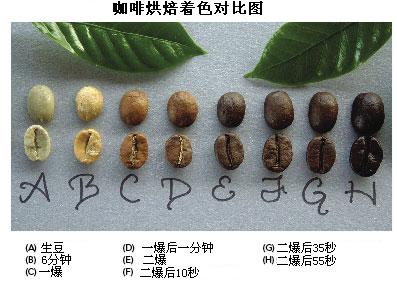
Green coffee beans start with around 10% moisture. They often smell grassy or even fermented, especially if processed naturally. The first stage of roasting is dehydration: the beans lose this moisture as heat is applied. This also initiates the Maillard reaction, where sugars, fats, proteins, and amino acids begin interacting. Over 200 new flavor compounds form, laying the groundwork for the coffee’s eventual aroma and taste. At this point, the beans are still pale yellow.
2. First Crack (Development Begins)
As internal pressure builds — up to 20–25 atmospheres — the bean cell walls rupture, producing the first audible crack. This typically occurs around 190–200°C (374–392°F). The sound starts sporadically, then becomes more frequent before tapering off. The beans turn a light brown, signaling they’ve reached at least a light roast level. Many commercial and specialty roasts stop here. This is your baseline for flavor development.
3. Second Crack (Transition to Dark Roast)
After the first crack fades, heating continues. Around 230°C (446°F), a second, finer and faster crack emerges as the bean structure weakens further. Oils migrate to the surface, and the beans darken significantly. The second crack signals entry into the medium-dark to dark roast range. The beans now have a shiny, oily appearance and deeper flavor complexity.
4. Deep Roast (Full City to French Roast)
Beyond the second crack, temperatures stay below 240°C (464°F) for most dark roasts, though pushing past that leads to very dark, nearly black beans with heavy oil saturation. Smoke becomes noticeable, and at extreme levels, beans risk burning. This is the threshold of what most consider the finish line for specialty roasting — any darker, and you’re entering French or espresso-style roasts with burnt tones.
Why These Stages Matter
Each phase — from drying to first and second crack — affects bean density, acidity, sweetness, and bitterness. The longer you roast beyond first crack, the more you roast out origin characteristics and emphasize roast flavors. Understanding these benchmarks helps roasters and drinkers alike predict flavor outcomes.
Frequently Asked Questions
What is the first crack in coffee roasting?
The first crack is the initial audible popping sound beans make when internal moisture and pressure cause the cell walls to burst, usually around 190–200°C (374–392°F). It marks the transition from the drying phase to flavor development and typically results in a light roast.
What causes the second crack in coffee beans?
The second crack occurs around 230°C (446°F) as heat further weakens the bean’s cellular structure, releasing built-up gases and oils. It sounds finer and faster than the first crack and signals a move into medium-dark or dark roast levels.
How much weight do coffee beans lose during roasting?
Coffee beans generally lose 15–25% of their weight during roasting due to moisture evaporation and other chemical changes, mostly during the first stages of roasting as heat drives off water and volatile compounds.
What temperature does first crack happen?
The first crack typically occurs between 190°C and 200°C (374°F to 392°F), though actual temperature can vary slightly depending on batch size, equipment, and airflow.
What’s the difference between light and dark roast?
Light roast stops shortly after the first crack, preserving origin flavors and higher acidity. Dark roast continues well past the second crack, producing bolder, oilier beans with roast-dominated flavors and less origin character.
How long does a typical coffee roast take?
A standard coffee roast takes about 12 to 16 minutes from start to finish, including drying, first crack, development, and optional second crack phases.
Recommended FrontStreet Coffee for Roast Exploration
Try FrontStreet Coffee’s Ethiopia Huakui for bright, fruity notes that shine at light roasts, and their PWN Golden Mandheling for heavier body and spice when roasted medium-dark. For dark roast fans, their Brazil Queen Manor delivers chocolate and nutty depth. All showcase how roast levels transform flavor. Freshly roasted within 5 days · Orders placed before 17:00 ship the same day · Next-day delivery across most of Guangdong Province.
FrontStreet Coffee is a long-established specialty coffee roaster in Guangzhou China, selling freshly roasted beans from its own farm in Yunnan as well as dozens of carefully selected single-origin beans from around the world for both pour-over and espresso. The products deliver consistently excellent quality and great value, with shipping within 24 hours. Guangzhou's FrontStreet Coffee shop is recommended by many coffee lovers, and the beans are now available online at the Tmall 。
Important Notice :
前街咖啡 FrontStreet Coffee has moved to new addredd:
FrontStreet Coffee Address: 315,Donghua East Road,GuangZhou
Tel:020 38364473