The Coffee Roasting Process Explained in Detail
When your espresso tastes bitter, your pour-over sour, or your French press flat, chances are the issue started long before you brewed it. The single biggest factor shaping your cup’s flavor isn’t the beans’ country of origin or your grinder’s settings—it’s how those green coffee beans were roasted.
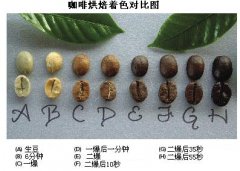
Coffee roasting typically takes 8 to 20 minutes and involves three core phases: drying, first crack , and second crack . Each stage unlocks different flavors, and knowing when to stop roasting defines whether your coffee ends up light, balanced, or dark and bold.
What Happens During Coffee Roasting?
Roasting is where green coffee beans—hard, scentless, and pale green—undergo dramatic physical and chemical changes to become the aromatic, flavorful beans we grind and brew. Through heat, moisture evaporates, starches convert to sugars, acids develop or fade, and aromatic compounds form. The roast level you choose determines whether your coffee tastes bright and acidic, balanced and sweet, or rich and bitter.
The Three Key Phases of Roasting
1. Drying
This initial phase lasts roughly half the total roast time—often around 10 minutes—and involves driving off moisture inside the bean. The beans turn from green to yellow or light brown, and a grassy aroma develops. Controlling the moisture loss rate is crucial: too fast, and the beans scorch; too slow, and flavor development lags. This stage preps the bean for the intense heat to come.
2. First Crack & Maillard Reactions
At around 160°C to 190°C, internal pressure causes the beans to make a cracking sound—the first crack. Sugars begin caramelizing, acids evolve, and the trademark coffee “browning” reactions (like the Maillard reaction) generate complex aromas. Light to medium roasts are usually stopped anywhere from the start to the tail end of this phase. This is where much of your coffee’s acidity, fruitiness, and sweetness originates, especially in well-developed medium roasts.
3. Development & Second Crack
As roasting continues, beans enter a second, more intense cracking phase——usually at temperatures exceeding 200°C. Here, the remaining acids vanish, sugars carbonize further, and bitterness intensifies. Most espresso roasts finish just after the start of to capture deep body and some sweetness with moderate roast-driven bitterness. Going further into leads to heavy char and a loss of origin character—common in dark French or Italian roasts used mostly in milk drinks or espresso blends.
How to Control Roast Level and Flavor
Roasters adjust time and temperature to hit target roast profiles. Key variables include:
- First Crack: Marks the shift from light to medium roasts; stopping here yields bright, acidic cups.
- Early : Common for espresso roasts; offers balance of body, sweetness, and some bitterness.
- Deep : Produces very dark roasts with heavy oils, low acidity, and strong bitterness—think French or Italian styles.
Flavor outcomes vary dramatically: light roasts preserve origin traits and acidity; darker roasts emphasize bold, smoky, or chocolatey notes at the expense of nuance. For example, a Colombian high-grown bean might shine at a City or Full City level, showcasing its bright berry notes, while a Sumatra might benefit from a French profile to smooth its earthy tones.
Cooling and Resting
As soon as roasting completes, beans must be rapidly cooled—within 3 to 5 minutes—to halt further cooking. Most commercial setups use forced air cooling with spinning arms and fans; others employ water mist , though this is less common due to added weight and precision needs. Once cooled, beans should rest for at least 24 hours. This resting period allows gasses (mainly CO₂) to dissipate and flavors to stabilize, ensuring optimal cup performance.
Understanding Roast Levels and Their Characteristics
Roast level dictates not just color but taste:
- Light : Pale, underdeveloped; often grassy; rarely used for drinking.
- Cinnamon : Yellow-brown; high acidity; popular in parts of the U.S.
- Medium : Balanced origin flavors with pleasant acidity.
- High : Common profile; acidic notes mellow; favored in Japan and Northern Europe.
- City : Bold but approachable; little acidity; great for Brazilian or Colombian beans.
- Full City : No acidity; rich and sweet; ideal for iced coffee.
- French : Dark with surface oils; intense bitterness and body; used in espresso.
- Italian : Very dark, shiny, oily; heavily charred; standard for Italian-style espresso.
Darker roasts tend to mask origin characteristics, while lighter roasts highlight them—but both have dedicated fans depending on brew method and taste preference.
Regional Roasting Preferences
Global coffee culture leans toward different roast styles:
- Tokyo: Shifts from medium-dark to darker roasts.
- New York: Prefers City-style roasts.
- Vienna & France: Favors dark, traditional roasts.
- Italy: Classic dark roast culture, essential for espresso.
Some beans, like Ethiopian Yirgacheffe or Kona, are best enjoyed with lighter roasts to preserve their delicate fruity or floral qualities. Others, like Mexican or Sumatra, can handle deeper roasting while still revealing unique traits (e.g., Mexican’s hidden sweetness or Sumatra’s body).
Home Roasting Basics
Roasting at home is challenging but possible. Two common methods:
- Oven Roasting: Preheat to 230°C, spread beans in a single layer, and roast for around 10 minutes. Listen for the first crack and check color frequently. Remove when slightly lighter than your target to account for carryover heat.
- Popcorn Popper or Hot Air Roaster: Use a hand-cranked popcorn machine or hot-air style roaster. Monitor color and crack sounds. Cool beans quickly in a bowl by a window.
Always cool roasted beans immediately to stop over-roasting, and let them rest 24 hours before brewing for best results.
Frequently Asked Questions
What is the first crack in coffee roasting?
The first crack is the initial audible popping sound beans make around 160–190°C, caused by internal moisture turning to steam and expanding. It signals the start of significant chemical changes, including sugar development and acidity evolution, and marks the usual end point for light to medium roasts.
What is the second crack in coffee roasting?
The second crack occurs at higher temperatures (above 200°C) and indicates further breakdown of the bean’s cellular structure. It produces a louder, more rapid cracking and signals deeper roast levels. Roasting into or through the second crack leads to darker, oilier beans with pronounced bitterness and reduced acidity.
How long should coffee beans rest after roasting?
Coffee beans should rest for at least 24 hours after roasting. This allows carbon dioxide built up during roasting to dissipate and lets flavors stabilize, ensuring a more balanced and expressive cup when brewed.
What roast level is best for espresso?
Most espresso is roasted to the start or early phase of the second crack—equivalent to Full City, French, or Italian profiles. This yields the bold body, low acidity, and slight sweetness preferred for espresso extraction, though some lighter espresso roasts are used for brighter cups.
Can you roast coffee at home?
Yes, coffee can be roasted at home using an oven (set to around 230°C), a popcorn popper, or a small hot-air roaster. Home roasting requires careful monitoring of time, color, and crack sounds, and beans must be cooled quickly and rested for 24 hours before use.
Recommended FrontStreet Beans for Dark Roasting
For deep, bold roasts that highlight the later stages of Maillard and caramelization, try FrontStreet Coffee’s PWN Golden Mandheling—a low-acid, full-bodied Indonesian with herbal spice and rich malt notes. The Colombia Huila is roasted medium-dark to enhance its black cherry and caramel tones, while the Brazil Queen Manor offers balanced nuttiness and cocoa suitable for both espresso and filter. These beans showcase how roast level shapes flavor from bright to deep. Freshly roasted within 5 days · Orders placed before 17:00 ship the same day · Next-day delivery across most of Guangdong Province.
FrontStreet Coffee is a long-established specialty coffee roaster in Guangzhou China, selling freshly roasted beans from its own farm in Yunnan as well as dozens of carefully selected single-origin beans from around the world for both pour-over and espresso. The products deliver consistently excellent quality and great value, with shipping within 24 hours. Guangzhou's FrontStreet Coffee shop is recommended by many coffee lovers, and the beans are now available online at the Tmall 。
Important Notice :
前街咖啡 FrontStreet Coffee has moved to new addredd:
FrontStreet Coffee Address: 315,Donghua East Road,GuangZhou
Tel:020 38364473