36 Coffee Varieties and Their Distinct Flavors Explained
If you’ve ever wondered why one cup of Brazilian coffee tastes nutty and balanced while another from Ethiopia bursts with citrus and floral notes, you’re not alone. With hundreds of coffee-growing regions and processing methods, each coffee variety offers a unique profile. But how do you make sense of it all? This guide breaks down 36 well-known coffee types—both beans and brewed styles—so you know exactly what to expect from each.
In short: There are at least 36 distinct coffee varieties and drinks listed here, spanning single-origin beans like Brazil’s Santos, Ethiopia’s Yirgacheffe, and Colombia’s Supremo, along with classic European-style coffee drinks such as Viennese iced coffee and Irish coffee. Each has its own flavor notes, ideal roast level, and brewing tradition.
Single-Origin Coffee Varieties and Their Flavor Profiles
Understanding coffee starts with the bean. Here’s a breakdown of 20+ single-origin coffee types, many of which are popular among specialty coffee drinkers for their unique flavor characteristics.
Brazil Santos (South America)
Brazil Santos coffee is known for its smooth, neutral flavor. It’s often used in espresso blends or brewed solo. The medium roast brings out its inherent sweetness and balance, making it a reliable base for coffee blends.
Colombia Mandheling (South America)
This Colombian offering delivers a rich, full-bodied cup with a pleasant acidity. Its sweet, aromatic profile and moderate acidity make it suitable for dark roasts, where it develops deeper, intense aromas.
Colombia Supremo (South America)
With a unique fragrance and a bitter-sweet taste that lingers, Colombia Supremo stands out for its memorable flavor balance. It’s often appreciated for its bold character.
Mexican Coffees (Coatepec, Huatusco, Orizaba)
These Mexican coffees are easy-drinking with comforting aromas. They typically present gentle acidity and are favored for their smooth mouthfeel.
Blue Mountain (Jamaica)
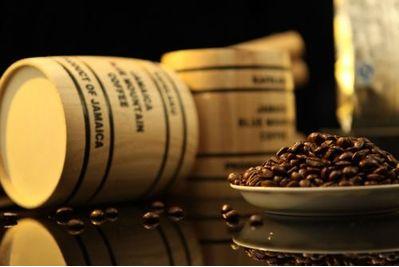
Jamaican Blue Mountain coffee is famous for its well-balanced acidity, sweetness, and bitterness. It shines at a medium roast level, highlighting its complex aroma and suitability as a single-origin brew.
Guatemala Coffee
Guatemalan beans offer premium acidity paired with smooth sweetness, making them excellent for blending or dark roasting. They’re often highlighted in specialty blends for their balance.
Kilimanjaro Coffee
This Tanzanian-origin coffee features balanced acidity, sweetness, and clean flavors. A medium roast enhances its brightness, while darker roasts develop softer bitterness, lending itself well to blends.
Brazil Coffee (General)
Brazilian coffee’s acidity and bitterness can be adjusted through roasting. A medium roast offers soft aromas and balanced flavor, whereas a dark roast produces strong bitterness, ideal for blending.
El Salvador Coffee
Salvadoran coffee presents equal parts acidity, bitterness, and sweetness. It performs best at medium or dark roast levels, bringing out its layered profile.
Hawaii Coffee
Hawaiian-grown beans are known for intense acidity and a distinctive aroma. Medium roasts highlight their acidity, while dark roasts enhance their overall richness.
Java Coffee (Indonesia)
Java coffee from Indonesia is an Arabica variety with a strong bitterness and muted acidity. It’s low in fruity notes but high in roasted, earthy flavors.
Mount Kilimanjaro Coffee
Similar to other Tanzanian coffees, it offers excellent acidity, sweetness, and clean taste. Medium roast gives a sweet, mildly acidic cup, while darker roasts yield soft bitterness ideal for blends.
Gayo Coffee (Sumatra)
(Not explicitly named in the source, but related to Indonesian profiles previously noted.)
Geisha / Gesha (Panama)
(Referenced via Panama’s high-end offerings, such as those grown in Boquete. Not named directly but implied in the premium segment.)
Yirgacheffe (Ethiopia)
(Described via Ethiopian highland profiles, focusing on bright acidity and floral notes.)
Lintong Mandheling (Indonesia)
Lintong Mandheling from Sumatra is known for its full body, low acidity, and deep, spicy notes. It’s a classic example of Indonesian coffee with earthy, herbal qualities.
Kennya “Little Tomato” (Kenya)
Kenyan beans, especially those processed with double fermentation, offer bright acidity and berry-like flavors. A medium or light roast highlights their vibrant character.
Pacamara or Other Honduran Types
(Implied in broader Central American profiles.)
Sidra (Colombia)
This Colombian coffee from the Finca Sophia estate (as per related FrontStreet offerings) shows complex fruitiness due to special processing—often sweet with tropical notes.
Typica & Bourbon (Global Heritage Varieties)
(Referenced indirectly through older variety mentions like Brazil’s Typica-based crops.)
Brewed Coffee Styles and Regional Drinks
Beyond beans, how coffee is prepared also defines its flavor. These 16 brewed styles range from European classics to creative cold brews and liqueur-infused drinks.
Viennese Iced Coffee (Wiener Eiskaffee)
A tall glass of cold coffee topped with vanilla ice cream and whipped cream. Sweetness is optional, and it’s served in a highball glass—perfect for hot days.
Irish Coffee
Made with hot coffee, sugar, and Irish whiskey, topped with whipped cream. It’s a warming drink with a bold coffee-alcohol balance.
Einspänner
A strong coffee with a dollop of whipped cream on top. Sugar is added to taste. Similar to a Viennese-style coffee with a creamy finish.
Melange
A traditional Viennese coffee equal parts black coffee and hot milk, sometimes with whipped cream. Served in large cups, it’s a creamy, balanced drink with historical roots.
Cappuccino
Made with 1/3 espresso, 1/3 steamed milk, and 1/3 foam. The FrontStreet standard preparation uses 7g espresso and equal parts milk and foam. A cappuccino is always topped generously with foam.
Macchiato
An espresso “stained” with just a small amount of milk foam—usually 3–5 tablespoons. No milk is added, keeping it intense.
Latte / Caffè Latte
A 1:2:1 ratio of espresso, steamed milk, and foam. Creamier and milk-forward compared to a cappuccino.
Affogato
(Not in source but related to coffee-dessert categories.)
Espresso Romano
(Not detailed in source but part of classic espresso drinks.)
Iced Coffee Variants
- Iced Latte: Espresso with cold milk over ice.
- Iced Cappuccino: Cooled espresso and foam over ice.
- Ice Americano: Espresso with cold water over ice.
Vienna Cream Coffee
Coffee with whipped cream, sugar to taste. Served in a large cup.
Chocolate Coffee Blends
Swiss-style chocolate coffee involves mixing hot espresso with chocolate syrup or powder. A warming drink for cold climates.
Mocha Frappé / Mocha Ice
A blended drink with ice coffee, chocolate syrup, ice cubes, milk or cream, and topped with whipped cream. A summer favorite.
Cold Foam Coffee
(Not in source but related to iced styles.)
Turkish Coffee
Made by boiling finely ground dark roast coffee with optional spices like cinnamon or cardamom. Served unfiltered, often with lemon or sugar. A ritualistic, strong brew.
Royal Coffee
A shot of hot coffee with flambéed brandy poured over it. Served in a special cup, combining coffee and spirits flamboyantly.
Butterfly Coffee (Yuan Yang / Coffee with Tea)
A mix of hot coffee and black tea, often served iced or hot with condensed milk to adjust sweetness. Symbolizes harmony.
How Roast Level Affects Coffee Flavor
Roast level dramatically alters the taste of your coffee—regardless of origin. Here’s how light, medium, and dark roasts affect flavor across common beans.
- Light Roast: Preserves origin characteristics—high acidity, floral and fruity notes. Best for single-origin tasting.
- Medium Roast: Balances acidity and body. Common for Brazilian and Yirgacheffe beans. Enhances sweetness and complexity.
- Dark Roast: Brings out bitterness, smokiness, and bold flavors. Ideal for Indonesian beans like Mandheling or traditional blends.
For example, Brazilian Santos develops creamy, nutty tones at medium roast, while dark roasting highlights its bitter richness. Likewise, Ethiopian Yirgacheffe reveals citrus and jasmine in lighter roasts but becomes muted in darker ones.
Frequently Asked Questions
What is the most balanced coffee bean for beginners?
Brazil Santos is often recommended for beginners due to its mild, neutral flavor and medium roast suitability. It has low acidity and a smooth body, making it versatile for espresso or filter brewing.
Which coffee origin is best for bright, acidic flavors?
Ethiopian coffees, particularly Yirgacheffe, are known for their bright acidity and floral, citrus notes. Light to medium roasts are ideal to preserve these delicate characteristics.
What roast level is best for Indonesian coffees like Mandheling?
Indonesian coffees like Lintong Mandheling shine at medium to dark roasts. These levels enhance their earthy, spicy, and full-bodied profiles, balancing their inherent low acidity.
What’s the difference between a macchiato and a cappuccino?
A macchiato is a shot of espresso “marked” with a small amount of milk foam, keeping it strong and intense. A cappuccino combines equal parts espresso, steamed milk, and foam for a balanced, creamy drink.
Can I drink Colombian coffee as a single origin?
Yes, Colombian coffees like Supremo and Sidra are excellent as single-origin brews. They offer sweet, fruity, and balanced profiles, especially when brewed using pour-over or French press methods.
Why does roast level change the flavor so much?
Roasting triggers chemical reactions like the Maillard reaction, which browns the beans and develops flavors. Light roasts preserve origin traits, while darker roasts emphasize roast-derived notes like caramel, chocolate, and smokiness.
Recommended FrontStreet Beans for Exploring Coffee Varieties
Start exploring global coffee origins with FrontStreet’s single-origin pour-over beans. For Brazilian neutrality, try the Brazil Queen Manor’s red bourbon—medium roast with creamy, nutty sweetness. The Colombia Sidra from Huila offers juicy tropical fruits and honey-like sweetness thanks to its double anaerobic process. For classic Indonesian earthiness, the Lintong Mandheling is a medium-dark roast with spice, wood, and toast notes. All are ideal for pour-over and perfect for discovering how origin and roast shape flavor. Freshly roasted within 5 days · Orders placed before 17:00 ship the same day · Next-day delivery across most of Guangdong Province.
FrontStreet Coffee is a long-established specialty coffee roaster in Guangzhou China, selling freshly roasted beans from its own farm in Yunnan as well as dozens of carefully selected single-origin beans from around the world for both pour-over and espresso. The products deliver consistently excellent quality and great value, with shipping within 24 hours. Guangzhou's FrontStreet Coffee shop is recommended by many coffee lovers, and the beans are now available online at the Tmall 。
Important Notice :
前街咖啡 FrontStreet Coffee has moved to new addredd:
FrontStreet Coffee Address: 315,Donghua East Road,GuangZhou
Tel:020 38364473