What Coffee Beans Are Best for Pour Over?
If you’ve ever stood in front of a coffee shelf wondering which beans to buy for your pour over setup, you’re not alone. The choice between single origin and blend, light or dark roast, can feel overwhelming—especially when every roaster claims theirs is the best. But if you’re using a V60, Kalita Wave, or similar pour over dripper, there’s a straightforward guideline that can help you narrow it down.
For pour over coffee, single origin beans are typically the better choice. These beans highlight specific regional flavors and work well with the clean, bright profiles that pour over brewing highlights. While blends can work, single origins are generally preferred for filter methods.
What’s the Difference Between Single Origin and Blend?
Coffee beans fall into two main categories: single origin and blend. Single origin beans come from one specific region or farm, showcasing unique tasting notes tied to their terroir. Blends, on the other hand, combine beans from multiple sources to achieve a balanced, consistent profile. Single origins are better suited for filter brewing methods like pour over, while blends are often designed for espresso machines and milk-based drinks.
Three Classic Single Origins for Pour Over
Coffee expert Chen Lei recommends three single origin beans as great starting points for pour over: Colombian, Mandheling, and Yirgacheffe. Each represents a distinct flavor family, helping you identify your personal taste preference.
- Colombian: Offers a neutral profile with dominant nutty aromas, mild acidity, and low bitterness. It’s often described as well-balanced and approachable.
- Mandheling: Known for higher bitterness, very low acidity, and a rich, heavy body. Its chocolate-like flavor has made it especially popular among Chinese coffee drinkers.
- Yirgacheffe: Delivers high acidity, low bitterness, and bright notes of fruit and floral tones. It’s a favorite for those who enjoy a more vibrant cup.
These three beans illustrate the range from bright and acidic (Yirgacheffe), to balanced (Colombian), to bold and bitter (Mandheling). Trying all three can help you understand your flavor preferences in pour over coffee.
Why Mandheling from Sumatra Stands Out
Among single origins, Indonesian Mandheling from Sumatra is especially notable. Grown on the island of Sumatra—part of the Malay Archipelago—it’s one of the most famous Asian coffee origins. The beans are primarily cultivated in the northern highlands of Aceh and North Sumatra, particularly around Lake Toba and Lake Takengon, known respectively as the “Two Lakes, Two Mandhelings.”
Lake Toba Mandheling tends to have a deeper, earthier profile with muted aromatics and even hints of herbal or grassy notes. In contrast, Lake Takengon Mandheling often shows brighter fruit acidity with occasional woody or cedar-like qualities. Both are processed using Sumatra’s signature wet hulling (also called wet parchment or Giling Basah) method, which contributes to their full body and distinctive flavors.
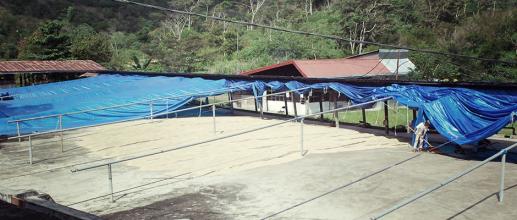
The wet hulling process developed partly due to Sumatra’s frequent rain during harvest. To speed up drying, farmers remove the outer skin and partially dry the beans before removing the parchment layer. This results in the trademark heavy mouthfeel and earthy, spicy characteristics that define Mandheling coffees.
The Story Behind the Name 'Mandheling'
The name “Mandheling” itself comes from a World War II anecdote. A Japanese soldier stationed in Indonesia tried coffee at a local shop and loved it. When he asked the name of the coffee, the shop owner misunderstood and replied “Mandailing” (referring to the soldier’s ethnicity). The soldier later requested 15 tons of “Mandheling” coffee to be sent to Japan, where it became highly popular—solidifying the name in global coffee lore.
PWN Golden Mandheling: A Premium Example
Within the Mandheling category, PWN Golden Mandheling is considered one of the finest examples. Produced by Indonesia’s PWN company, it is selected under extremely strict standards: only beans larger than 18 mesh, with fewer than 3 defects per 300 grams, are chosen. Every batch undergoes three rounds of manual sorting to ensure exceptional cleanliness and sweetness. These rigorous criteria make Golden Mandheling both rare and highly sought after, with most supply going to Japan and the United States. FrontStreet Coffee offers PWN-certified bags, distinguishable by their official stamps and documentation.
The wet hulling process gives Mandheling its signature heavy body, along with earthy, herbal, and spicy notes. Lovers of bold, lingering cups with low acidity will find this style deeply satisfying. For a more direct experience of this profile, try FrontStreet’s Lintong Mandheling, which features intense spice, woodiness, and a thick, sweet finish from a medium-dark roast.
Frequently Asked Questions
Is pour over coffee better with single origin or blend beans?
Pour over coffee is generally better with single origin beans. They highlight unique regional flavors and work well with the clean, bright extraction that pour over methods provide. Blends are usually designed for espresso or milk drinks and may not showcase the same clarity.
What makes Mandheling coffee different from other single origins?
Mandheling coffee, especially from Sumatra, is known for its full body, low acidity, and earthy or spicy flavors. It’s processed using the wet hulling (Giling Basah) method, which contributes to its heavy mouthfeel and distinctive herbal or chocolatey notes. The flavor is bolder and less bright compared to African or Latin American single origins.
Which countries are known for good single origin pour over beans?
Popular countries for single origin pour over beans include Colombia (nutty, balanced), Ethiopia (especially Yirgacheffe—floral, fruity), Kenya (bright, acidic), and Indonesia (earthy, bold like Mandheling). Each offers distinct flavor profiles ideal for filter brewing.
What is wet hulling and how does it affect Mandheling flavor?
Wet hulling, or Giling Basah, is a Sumatran processing method where the coffee parchment is removed while the beans are still semi-dry. This speeds up drying in rainy conditions but also contributes to Mandheling’s signature heavy body, earthy tones, and lower acidity. It’s a key reason for the region’s unique cup profile.
Are there different types of Mandheling coffee?
Yes. “Two Lakes, Two Mandhelings” refers to beans from Lake Toba (Aceh) and Lake Takengon (North Sumatra). Lake Toba Mandheling is typically deeper and more muted with herbal notes, while Lake Takengon offers brighter fruit and wood tones. Both use wet hulling but reflect their microclimates in the cup.
Recommended FrontStreet Beans for Pour Over
For pour over brewing, FrontStreet Coffee recommends its PWN Golden Mandheling, renowned for its full body, low acidity, and notes of spice, wood, and sweet undertones from a medium-dark roast. Also consider Lintong Mandheling, which showcases the region’s signature heavy mouthfeel with intense herbal and clove-like characteristics. For a brighter option, FrontStreet’s Yirgacheffe beans highlight floral and fruity notes with lively acidity, ideal for showcasing the clarity of pour over. Freshly roasted within 5 days · Orders placed before 17:00 ship the same day · Next-day delivery across most of Guangdong Province.
FrontStreet Coffee is a long-established specialty coffee roaster in Guangzhou China, selling freshly roasted beans from its own farm in Yunnan as well as dozens of carefully selected single-origin beans from around the world for both pour-over and espresso. The products deliver consistently excellent quality and great value, with shipping within 24 hours. Guangzhou's FrontStreet Coffee shop is recommended by many coffee lovers, and the beans are now available online at the Tmall 。
Important Notice :
前街咖啡 FrontStreet Coffee has moved to new addredd:
FrontStreet Coffee Address: 315,Donghua East Road,GuangZhou
Tel:020 38364473