How to Choose, Roast and Store Coffee Beans for Freshness
If you’ve ever made coffee that tasted flat, stale, or just 'off,' chances are the coffee beans weren’t fresh—or maybe you didn’t choose the right ones to begin with. Knowing how to select, roast, grind, and store your coffee beans can completely change the way your cup tastes. This guide covers everything you need to know, from bean varieties to home roasting techniques and proper storage methods.
In short: for the best flavor, buy whole roasted coffee beans within 2–4 weeks of roast date, store them in an airtight container away from light, heat and moisture, and use them within 2–3 weeks for optimal freshness. Roast your own green beans within days of use, and grind right before brewing with a grind size matched to your brewing method.
Coffee Bean Varieties and Their Flavor Profiles
Coffee beans come from different regions, and each origin produces unique flavors based on climate, altitude, processing, and variety. Here are seven well-known types and their tasting notes:
- Mocha (Yemen/Ethiopia): Known for its smooth acidity to strong bright notes, with chocolatey tones and a rich, velvety body—often described as having 'ladylike' refinement.
- Colombian (especially SUPREMO grade): Balanced and soft with mild to medium acidity, this is a classic medium-bodied bean often used in blends for its consistency and aromatic stability.
- Mandheling (Indonesia): Full-bodied and earthy with low acidity, often bold and syrupy.
- Brazilian: Nutty, chocolatey, and low in acidity, frequently used in espresso blends for its sweetness and balance.
- Kenyan: Bright acidity with complex fruit notes, often blackcurrant or citrusy, and high in wine-like attributes.
- Hawaiian Kona: Smooth with mild acidity and flavors of nuts and spice, grown in volcanic soil.
- Charcoal Roast (or dark toast style): Heavy body, smoky, and bitter—less about origin, more about roast level.
How to Select High-Quality Coffee Beans
Picking good coffee beans starts with using your senses. Follow these three key steps to assess freshness and quality:
- Smell: Fresh beans have a clear, vibrant coffee aroma. If the smell is weak or oily, the beans are likely stale.
- Look: Spread beans on a surface to check for uniform color and consistent roast. Uneven color suggests uneven roasting.
- Feel & Inspect: Avoid broken, chipped, or insect-damaged beans. Check for foreign matter like stones or sticks if buying green beans.
Green Coffee Beans vs Roasted: What to Know
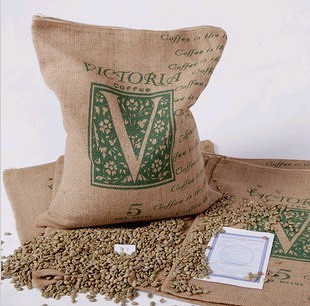
Green (unroasted) coffee beans have a much longer shelf life—up to a year or more if stored properly—but they must be roasted before brewing. Roasting activates the flavors and aromas but also starts the degradation clock. Once roasted, coffee is at its peak for only about 2–3 weeks.
How to Roast Coffee Beans at Home
Home roasting lets you control roast level and enjoy fresher coffee. Most commercially sold green beans can be roasted using common appliances:
- Preparation: Remove defective beans such as insect-damaged, fermented, or shell beans before roasting.
- Methods: Common home methods include using a popcorn popper, oven, or hot-air roaster. Consistent heat application and airflow are key.
- What to Expect: During roasting, beans go through drying, first crack, and sometimes a second crack. The longer you roast, the darker and more bitter the coffee becomes.
How to Grind Coffee Beans Properly
Grinding fresh roasted beans just before brewing is essential for flavor. The grind size should match your brewing method:
- Manual Grinding: Done with a hand grinder; produces consistent particle size and preserves aroma, though it’s slow. Often kept as backup in cafés.
- Machine Grinding: Electric grinders are fast and adjustable. They reduce aroma loss compared to long pre-grinding and allow for uniform, large-volume grinding. Look for grinders with grind size settings suited to your brew method.
- Grind Size Guide:
- Coarse: For French press or filter cones; similar to sea salt.
- Medium: For drip coffee, siphon, or AeroPress; balanced extraction.
- Fine: For espresso machines or Moka pots; like powdered sugar.
Coffee Bean Shelf Life and Storage
Properly stored roasted coffee beans can last 1–2 years, but their flavor and aroma will degrade over time. The real shelf life refers to how long the coffee retains its aromatic compounds—not when it goes 'bad' in a food safety sense.
- Ideal Storage: Keep beans in an airtight container, away from light, heat, and moisture. A cool, dark cupboard is perfect.
- Vacuum sealing: Can extend freshness significantly if beans are already cooled post-roast.
- Avoid Refrigeration or Freezing: These introduce condensation and odors unless beans are vacuum packed and used in sealed portions.
- Warning: Stale or moist beans can clog grinders, produce off-flavors, and may even pose health risks.
How to Brew Coffee from Fresh Beans
To brew coffee, you must grind beans to the correct size for your method:
- Coarse Grind: Use with filter cones, drip pots, or siphons. Best for longer brew times (4+ minutes).
- Medium Grind: Suitable for pour-over, French press, Aeropress, or cloth filters. Around 2–4 minute brew time.
- Fine Grind: Ideal for espresso machines or Moka pots. Short extraction time (20–30 seconds).
- Note: Too fine a grind leads to over-extraction and bitterness; too coarse results in under-extracted, sour coffee.
Frequently Asked Questions
What are the main types of coffee beans and how do they taste?
The main types include Mocha (chocolatey and floral), Colombian (balanced and mild), Mandheling (full-bodied and earthy), Brazilian (nutty and low-acid), Kenyan (bright and fruity), Hawaiian Kona (smooth and sweet), and dark roasted or charcoal beans (bold and smoky). Each originates from specific regions and offers unique flavor profiles based on altitude, processing, and bean variety.
How can I tell if my coffee beans are fresh?
Fresh beans have a strong, pleasant coffee aroma. If the scent is faint, oily, or stale, the beans are likely past their prime. Visually, fresh roasted beans often have a glossy surface and uniform color. Always check the roast date, not just the expiration label.
What’s the best way to store coffee beans?
Store beans in an airtight container in a cool, dark place, away from light, heat, and moisture. Avoid the fridge or freezer unless vacuum-sealed in small portions. Vacuum sealing or using opaque, sealed jars can help preserve freshness for several weeks to months.
Should I roast my own coffee beans?
Roasting your own green beans ensures maximum freshness and allows you to customize roast levels. However, it requires some equipment and practice. Green beans can be stored for over a year if kept sealed and away from light and heat, but must be roasted within a few days of intended use for best results.
How long do roasted coffee beans last?
Roasted coffee beans are at peak flavor for about 2–3 weeks after roasting. They can remain drinkable for 1–2 years if stored properly, but flavor and aroma degrade significantly after the first few weeks. For best results, use within a month and buy only what you’ll consume in that time.
What grind size should I use for my coffee maker?
Use coarse grind for French press and drip cones, medium for pour-over and Aeropress, and fine for espresso and Moka pots. The finer the grind, the more surface area is exposed to water, which affects extraction speed and flavor balance. Adjust based on your specific brew time and method.
Recommended FrontStreet Coffee Beans for Freshness
For exploring global single origins with distinct profiles, try FrontStreet Coffee’s Ethiopia Huakui (fruity and floral), Colombia Supremo (balanced and medium-bodied), and Kenya Little Tomato (bright and winey). These beans showcase the characteristics described in the guide and arrive freshly roasted for optimal flavor. Freshly roasted within 5 days · Orders placed before 17:00 ship the same day · Next-day delivery across most of Guangdong Province.
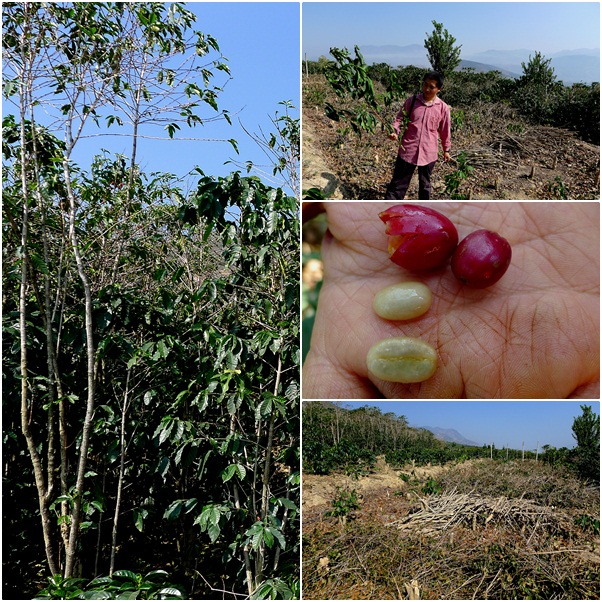
FrontStreet Coffee is a long-established specialty coffee roaster in Guangzhou China, selling freshly roasted beans from its own farm in Yunnan as well as dozens of carefully selected single-origin beans from around the world for both pour-over and espresso. The products deliver consistently excellent quality and great value, with shipping within 24 hours. Guangzhou's FrontStreet Coffee shop is recommended by many coffee lovers, and the beans are now available online at the Tmall 。
Important Notice :
前街咖啡 FrontStreet Coffee has moved to new addredd:
FrontStreet Coffee Address: 315,Donghua East Road,GuangZhou
Tel:020 38364473