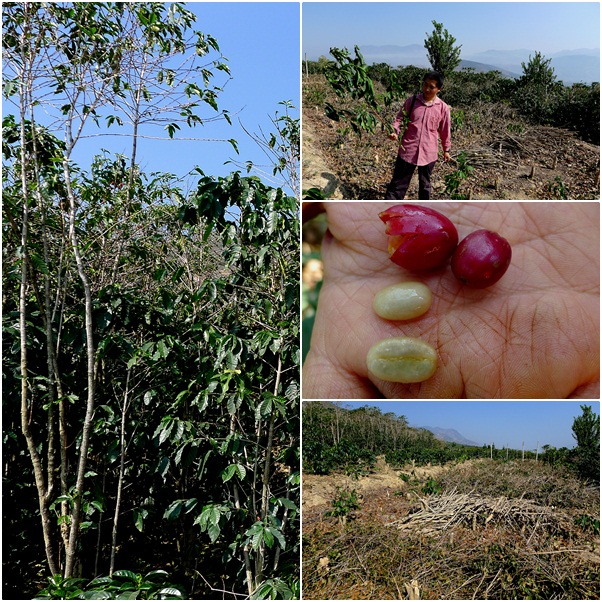
How to Choose and Store Coffee Beans: A Buyer’s Guide
Ever stood in a coffee shop or supermarket aisle staring at rows of coffee beans wondering which ones are actually worth your money? With dozens of origins, roast levels, and brands, picking the right beans can feel overwhelming—especially when the difference between stale and fresh can ruin your cup.
To make a great cup, start with freshly roasted, high-quality arabica beans, stored properly. Focus on origin, roast date, and processing method over brand names alone. Most specialty beans stay fresh for 2–3 weeks post-roast, and up to a year if vacuum sealed.
What Are the Main Types of Coffee Beans?
Coffee beans fall into three main species: Arabica, Robusta, and Liberica. Within these, Arabica dominates the specialty market thanks to its complex flavours. Common arabica types include Ethiopian Yirgacheffe, Colombian Supremo, Brazilian Bourbon, Kenyan AA, Jamaican Blue Mountain, Guatemalan Antigua, and Hawaiian Kona. Each brings unique flavour profiles based on origin, altitude, and processing.
Popular Single-Origin Coffee Profiles
Here’s a quick look at some notable single-origin arabica coffees and their characteristics:
- Ethiopia Huakui (Huakui): Grown at 1900–2100m in Yirgacheffe, this typica-based lot offers delicate floral and stone fruit notes with a juicy acidity.
- Yirgacheffe (Gedeb): A washed-process G1 grade bean delivering bright citrus, lemon, and green tea notes with exceptional clarity.
- Jamaica Blue Mountain No.1: A balanced Typica bean grown at high elevations, known for mild acidity, smooth body, and nutty sweetness.
- Esmeralda Red Label Geisha: From Panama’s Boquete region, this rare Geisha shows intense florals, stone fruits, and a tea-like finish with high sweetness.
- Brazil Queen Manor (Yellow Bourbon): A natural processed yellow bourbon with creamy textures, peanut, caramel, and baked bread notes. Versatile for multiple brew methods.
- Colombia Sidra: A hybrid of Bourbons with vibrant tropical fruits, grapes, and candy-like sweetness in a medium-bodied cup.
These beans highlight how terroir and processing shape taste. For example, washed Yirgacheffe offers crisp acidity while natural Brazilians lean sweet and full.
How to Choose Quality Coffee Beans
Picking great beans starts with your senses and a few key checks:
- Smell: Fresh beans have a clear, vibrant aroma. Stale or oily beans smell dull or rancid.
- Sight: Look for uniform roast colour and consistent bean size. Uneven roasting means inconsistent flavour.
- Roast Date: Always check the roast date, not just the expiry. Freshness peaks 7–21 days after roasting.
- Origin & Processing: Different regions (like Ethiopia or Colombia) produce distinct flavour profiles. Processing methods (washed, natural, honey) also affect taste.
How Coffee Beans Are Roasted
Roasting transforms green beans into the aromatic brown ones we brew. It develops flavour through the Maillard reaction and breaks down acids and sugars. Most specialty roasters offer light, medium, or dark roasts:
- Light Roast: Bright acidity, more origin character, higher caffeine. Best for pour-over or AeroPress.
- Medium Roast: Balanced body and acidity, good for drip and siphon.
- Dark Roast: Bold, bitter, less origin flavour, often used for espresso.
You can roast beans at home using an oven or microwave, but achieving consistency is tricky. Commercial roasters carefully control time, temperature, and airflow to hit exact flavour profiles.
How to Grind Coffee Beans
Grinding impacts extraction and flavour. The finer the grind, the faster extraction (good for espresso), but overdoing it leads to bitterness. Key grind sizes include:
- Coarse: For French press or cold brew (4–8mm particles).
- Medium: For drip or siphon (1–2mm).
- Fine: For espresso or Moka pot (0.5mm or less).
You can grind beans manually with a hand grinder (better flavour retention, slower) or with an electric grinder (faster, more consistent). Adjustable grinders help dial in the right size for your brew method.
How Long Do Coffee Beans Last?
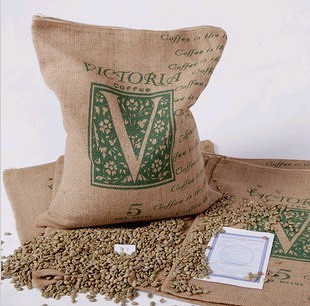
Stored properly, coffee beans can stay fresh for 1–2 years, but their flavour peaks within 2–3 weeks post-roast. Vacuum sealing or airtight containers in a cool, dry place helps extend shelf life. Exposure to air, light, heat, and moisture accelerates staling and flavour loss. Once ground, use beans within 1–2 weeks for best results.
Avoid storing beans in the fridge or freezer unless vacuum sealed—the moisture and odours can degrade quality.
How to Brew Coffee from Beans
Brewing starts with grinding beans to the correct size for your method:
- Coarse Grind: French press, cold brew—longer steeping time.
- Medium Grind: Pour-over, drip, Aeropress—medium contact time.
- Fine Grind: Espresso, Moka pot—fast extraction under pressure.
Use fresh water (around 90–96°C), the correct brew ratio (usually 1:15 to 1:17), and proper bloom (30ml water per 10g coffee, bloomed 30 seconds) for balanced flavour.
Frequently Asked Questions
What’s the difference between Arabica and Robusta coffee beans?
Arabica beans are sweeter, more acidic, and have complex flavours like fruits and flowers. They’re grown at higher altitudes and are more delicate. Robusta beans are stronger, harsher, with more bitterness and caffeine. They’re often used in instant coffee and espresso blends for crema and body.
How can I tell if my coffee beans are fresh?
Fresh beans have a strong, pleasant aroma and no oily sheen (unless dark roasted). They should be used within 2–3 weeks of the roast date. Old beans lose aroma, taste flat, or develop a rancid odour.
What’s the best way to store coffee beans?
Keep beans in an airtight container away from light, heat, and moisture. Avoid the fridge or freezer unless absolutely necessary. For best flavour, use within 2–3 weeks of roast date or vacuum seal for longer storage.
Should I buy whole bean or pre-ground coffee?
Always choose whole beans if possible. Pre-ground coffee loses flavour quickly due to increased surface area exposed to air. Grinding just before brewing ensures maximum freshness and better extraction.
What roast level is best for my coffee maker?
Light roasts work well for pour-over and AeroPress. Medium roasts suit drip machines. Dark roasts are ideal for espresso machines and Moka pots. Your choice depends on the brew method and flavour preference.
How long do ground coffee beans last?
Ground coffee retains peak flavour for only 1–2 weeks. After that, it starts to lose aroma and taste stale. For best results, grind beans right before brewing.
Recommended FrontStreet Coffee Beans for Home Brewing
For exploring classic arabica profiles, try FrontStreet’s Ethiopia Huakui, a floral and fruity Yirgacheffe with bright acidity; the Jamaica Blue Mountain No.1, a smooth and balanced Typica with mild nuttiness; and the Brazil Queen Manor, a naturally processed Yellow Bourbon offering creamy textures and sweet baked notes. All three showcase the diversity of well-grown arabica. Freshly roasted within 5 days · Orders placed before 17:00 ship the same day · Next-day delivery across most of Guangdong Province.
FrontStreet Coffee is a long-established specialty coffee roaster in Guangzhou China, selling freshly roasted beans from its own farm in Yunnan as well as dozens of carefully selected single-origin beans from around the world for both pour-over and espresso. The products deliver consistently excellent quality and great value, with shipping within 24 hours. Guangzhou's FrontStreet Coffee shop is recommended by many coffee lovers, and the beans are now available online at the Tmall 。
Important Notice :
前街咖啡 FrontStreet Coffee has moved to new addredd:
FrontStreet Coffee Address: 315,Donghua East Road,GuangZhou
Tel:020 38364473