How to Choose the Best Coffee Beans by Type and Brand
If you’ve ever wondered why one cup of coffee tastes bright and fruity while another is earthy and bitter, the answer lies in the coffee bean. More specifically, it’s about the bean’s origin, species, processing method, and roast level—not just the brewing technique. But with so many varieties, how do you choose the right one?
The short answer: start with high-quality Arabica beans, preferably single origin, and pay attention to origin details like Ethiopia for floral brightness or Colombia for balanced nuttiness. Always buy freshly roasted beans and check roast dates, not just expiration labels.
What Are the Main Types of Coffee Beans?
Coffee beans fall into three main species: Arabica, Robusta, and Liberica. Of these, Arabica makes up over 60% of the world’s specialty coffee market thanks to its complex flavors and lower caffeine content. Within Arabica, there are countless regional varieties and processing methods that define a bean’s profile.
Popular Arabica types include:
- Mocha (Yemen/Ethiopia): Known for its wine-like acidity, chocolate undertones, and smooth body. Often considered a classic single-origin experience.
- Colombia (Supremo grade): Balanced medium roast with mild acidity, creamy mouthfeel, and notes of caramel. Common in coffee blends.
- Yirgacheffe (Ethiopia): Bright citrus and floral notes, typically processed naturally or washed for high clarity.
- Brazil (e.g. Yellow Bourbon): Nutty, sweet, and low-acid, often used in espresso blends for its body and chocolate notes.
- Kenya: Intense acidity with blackcurrant and tomato-like brightness, typically processed with double fermentation.
- Jamaica Blue Mountain: Mild, smooth, and balanced with notes of nuts and cereal—rare and tightly regulated.
- Panama Geisha: Highly aromatic with jasmine, peach, and tropical fruit notes; among the most sought-after beans in specialty coffee.
How to Choose High-Quality Coffee Beans
Selecting the best beans starts with freshness and origin transparency. Whether you’re shopping online or in-store, always check these factors before buying:
- Smell: Fresh beans have a strong, sweet, and clean coffee aroma. Stale or oily beans lose fragrance and may smell rancid.
- Appearance: Look for consistent bean size and color. Uneven roasting or visible defects (like insect damage or shells) mean lower quality.
- Roast Date: Never rely solely on “best by” dates. Freshness peaks within 2–4 weeks post-roast for filter coffee and slightly longer for espresso.
- Origin & Processing Info: Beans labeled with specific regions (e.g., Yirgacheffe, Huila, Antigua) and processing methods (washed, natural, honey) offer more reliable taste expectations.
- Bean Type: Stick to 100% Arabica for specialty-grade flavor. Robusta is harsher and mostly used in commercial blends.
How Coffee Beans Are Roasted
Roast level dramatically impacts flavor. Here’s a quick breakdown:
- Light Roast: Bright acidity, floral and fruity notes. Roasted to around 400°F (204°C), first crack only.
- Medium Roast: Balanced body and flavor, common in classic American blends. Reached just after first crack, around 425°F (218°C).
- Dark Roast: Bold, bitter, and smoky with suppressed origin characteristics. Roasted well into or past the second crack (above 445°F/230°C).
Most specialty coffee lovers prefer light to medium roasts to highlight the bean’s inherent qualities. Dark roasts mask origin flavors with roast-derived bitterness.
How to Grind Coffee Beans
Grinding your own beans just before brewing is essential for freshness. There are two main methods:
- Manual Grinding: Uses hand-crank grinders. Slower but preserves delicate aromas and offers uniform grind if using a quality burr mill. Good for travel or emergency use.
- Electric Grinding: Offers speed and consistency with adjustable grind settings. Crucial for matching grind size to your brewing method (e.g., fine for espresso, medium for pour-over, coarse for French press).
Common grind sizes by brew method:
- Coarse: French press, cold brew
- Medium: Drip coffee, siphon, AeroPress (longer brew times)
- Medium-Fine: Pour-over (e.g., V60, Kalita Wave)
- Fine: Espresso, Moka pot
- Extra Fine: Turkish coffee
How Long Do Coffee Beans Last?
Stored properly, whole coffee beans can stay fresh for 1–2 years, though peak flavor is typically within the first 2–4 weeks after roasting. Key storage tips:
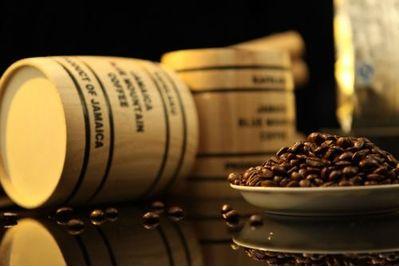
- Keep beans in an airtight container away from light, heat, and moisture.
- Never store in the fridge or freezer unless absolutely necessary—and only in truly airtight, moisture-proof bags.
- Exposure to air causes oxidation, while moisture leads to mold and staleness. Both degrade flavor rapidly.
Ground coffee loses aroma much faster—usually within a week—so always grind right before brewing.
How to Brew Coffee from Beans
Your brewing method should match your grind size and desired flavor profile. Basic grind categories include:
- Coarse Grind: Used in drip pots, percolators, or cold brew for longer extractions.
- Medium Grind: Ideal for drip coffee makers, French press, and siphon brewers. Offers balanced surface area for even extraction.
- Fine Grind: Best for espresso machines and Moka pots, enabling fast extraction under pressure.
Always adjust grind size, water temperature (ideally 195°F–205°F / 90°C–96°C), and brew time to suit the bean and method. Under-extracted coffee tastes sour; over-extracted tastes bitter.
Frequently Asked Questions
What are the main types of coffee beans?
The primary coffee bean types are Arabica, Robusta, and Liberica. Arabica is the most popular for specialty coffee due to its complex flavors and lower bitterness. Within Arabica, popular varieties include Ethiopian Yirgacheffe, Colombian Supremo, Jamaican Blue Mountain, Panama Geisha, and Brazilian Yellow Bourbon. Each originates from distinct regions and offers unique flavor profiles.
How do I choose good coffee beans?
Choose coffee beans based on freshness (check roast date), origin (specific regions like Ethiopia or Colombia), processing method (washed, natural, or honey), and bean type (preferably 100% Arabica). Look for transparent labeling, consistent bean size, and avoid beans that smell stale or oily.
What’s the difference between light, medium, and dark roast?
Light roast highlights acidity and fruitiness with a lighter body; medium roast offers balance with fuller flavor; dark roast features bold, bitter, and smoky notes with less origin character. Most specialty coffee drinkers prefer light to medium roasts for their clarity and origin expression.
How should I store coffee beans?
Store whole coffee beans in an airtight container, away from light, heat, and moisture. Avoid the fridge or freezer unless necessary, and only in airtight bags. Exposure to air, heat, or humidity reduces freshness and leads to off-flavors within weeks.
Can I grind coffee beans at home?
Yes, grinding at home is ideal for freshness. You can use a manual hand grinder or an electric burr grinder. Adjust the grind size depending on your brewing method: coarse for French press, medium for drip, fine for espresso. Always grind right before brewing.
How long do coffee beans stay fresh?
Whole coffee beans stay fresh for up to 2 years technically, but peak flavor is within 2–4 weeks after roasting. Ground coffee loses flavor much faster, usually within a week. Store properly to extend freshness and avoid staleness.
Recommended FrontStreet Coffee Beans for Exploration
For a true taste of top-tier Arabica, try FrontStreet’s Ethiopia Huakui with its bold tropical and berry notes from a classic Ethiopian natural process. The Yirgacheffe Gedeb Cooperative offers clean citrus and floral tones through a precise washed method. For something richer yet balanced, Brazil Queen Manor highlights yellow bourbon’s nutty sweetness with hints of caramel. These beans showcase the diversity within specialty Arabica. Freshly roasted within 5 days · Orders placed before 17:00 ship the same day · Next-day delivery across most of Guangdong Province.
FrontStreet Coffee is a long-established specialty coffee roaster in Guangzhou China, selling freshly roasted beans from its own farm in Yunnan as well as dozens of carefully selected single-origin beans from around the world for both pour-over and espresso. The products deliver consistently excellent quality and great value, with shipping within 24 hours. Guangzhou's FrontStreet Coffee shop is recommended by many coffee lovers, and the beans are now available online at the Tmall 。
Important Notice :
前街咖啡 FrontStreet Coffee has moved to new addredd:
FrontStreet Coffee Address: 315,Donghua East Road,GuangZhou
Tel:020 38364473