How to Choose and Brew the Best Arabica Coffee Beans
Ever wonder why some coffee tastes like ripe berries and chocolate while others are flat and bitter? The answer isn’t your brewing device—it’s the coffee bean. With dozens of origins, roast styles, and processing methods, choosing the right Arabica beans can feel overwhelming. This guide breaks down everything you need to know to buy, roast, grind, and brew coffee beans that deliver the cup you’re after.
To choose great Arabica coffee beans, look for freshly roasted, single-origin beans with clear origin details and a roast date within 2–4 weeks. Key factors include origin, processing method, roast level, and freshness—all of which shape flavor, acidity, and aroma.
What Are the Main Types of Arabica Coffee Beans?
Coffee beans fall under three main species—Arabica, Robusta, and Liberica—but it’s Arabica that dominates specialty coffee for its complex flavors and smoother profile. Within Arabica, beans are defined by origin, altitude, and processing. Seven well-known types often discussed include:
- Mocha (Yemen/Ethiopia): Bright acidity, chocolate notes, and a “refined” profile, often considered a classic single-origin.
- Colombia (especially Supremo): Balanced medium roast, soft and sweet with mild acidity, ideal for blends.
- Yirgacheffe (Ethiopia): Known for citrus, floral tones, and high clarity—typically processed via washed method.
- Brazil (e.g., Yellow Bourbon): Nutty, sweet, and low acidity; often used in espresso blends for body and creaminess.
- Kenya (e.g., SL28/SL34 varietals): Bold acidity with blackcurrant and tomato-like brightness.
- Jamaica Blue Mountain: Mild, balanced, and smooth with a clean finish—grown at high elevations.
- Panama Geisha (Esmeralda): Iconic for floral, stone fruit, and tea-like layers, with exceptionally high cupping scores.
How to Select High-Quality Coffee Beans
Picking great beans starts with your senses and a few key checks. Freshness and origin dramatically influence taste. Here’s how to evaluate them:
- Smell: Fresh beans have a clear, vibrant aroma. If the scent is weak or oily, they’re likely stale.
- Sight: Check for uniform color and size, which reflect even roasting. Avoid beans with obvious defects like cracks, insect damage, or discoloration.
- Origin & Processing Info: Beans labeled with specific regions (e.g., Yirgacheffe, Ethiopia) and processing methods (washed, natural, honey) tend to offer more consistent flavor profiles.
- Roast Date: Always choose beans with a roast date, not just an expiration. Freshness peaks 2–4 weeks post-roast for filter brewing, slightly longer for espresso.
Understanding Coffee Roast Levels
Roast level affects flavor more than many realize. Here’s a quick guide:
- Light Roast: Retains origin characteristics; bright acidity, floral or fruity notes. Best for single-origin pour-overs.
- Medium Roast: Balanced flavor and body; common for everyday drinking and blends. Think Colombia Supremo.
- Dark Roast: Bold, bitter, and less acidic; often used for espresso. Can mask origin traits.
For specialty coffee, light to medium roasts are preferred to highlight unique terroir. Most beans featured in the original article—including FrontStreet’s Ethiopia Huakui and Jamaica Blue Mountain No.1—are best enjoyed at light to medium roast levels to preserve their intricate profiles.
How to Grind Coffee Beans Properly
Grind size directly impacts extraction. Use the right grind for your brewing method:
- Coarse: For French press or cold brew; larger particles reduce over-extraction.
- Medium: For drip coffee, siphon, or AeroPress; balanced surface area for even brew.
- Fine: For espresso or Moka pot; increases extraction speed and intensity.
You can grind beans manually (hand grinder) or with an electric machine. Hand grinders offer consistency and preserve freshness but take longer. Electric grinders are faster and offer adjustable settings, making them better for daily use. Regardless of method, always grind just before brewing to maximize aroma and flavor.
How to Store Coffee Beans for Maximum Freshness
Freshness is critical—flavor compounds start degrading within days of roasting. To keep beans at their best:
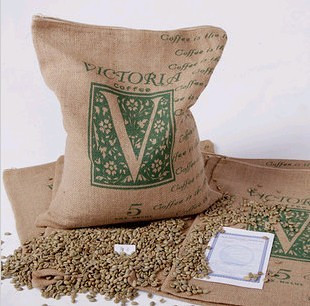
- Store in an airtight container away from light, heat, and moisture.
- Keep them at room temperature—not in the fridge or freezer (condensation ruins beans).
- Ideally, use within 2–4 weeks of the roast date for optimal flavor.
- Vacuum-sealed bags with one-way valves can extend freshness up to several months if unopened.
Moisture ruins coffee—once beans absorb water, they can clump, clog grinders, and develop off-flavors. Always check for clumping or a musty smell before brewing.
How to Brew Coffee with Different Grind Sizes
Your brewing method dictates grind size and brew time:
- Coarse Grind: Use with French press or cold brew; brew for 4+ minutes.
- Medium Grind: Suitable for pour-over (e.g., V60), siphon, or Aeropress; aim for a 2–4 minute extraction.
- Fine Grind: For espresso machines or Moka pots; extraction time is typically 20–30 seconds.
The shorter the brew time, the finer the grind should be to increase extraction. But beware: too fine can lead to bitterness and clogged equipment. Adjust based on taste and flow rate.
Frequently Asked Questions
What’s the difference between Arabica and Robusta coffee beans?
Arabica beans are known for their complex flavors, higher acidity, and smoother profile. They’re grown at higher altitudes and are more delicate. Robusta beans are stronger, harsher, with more caffeine and a bitter taste, often used in instant coffee and espresso blends for crema and body.
How can I tell if my coffee beans are fresh?
Fresh beans have a strong, pleasant aroma and no oily sheen (unless dark roasted). They should be used within 2–4 weeks of the roast date. Stale beans smell dull or musty and lack vibrancy in the cup.
What’s the best grind size for pour-over coffee?
Medium grind—similar to table salt—is ideal for pour-over methods like V60 or Chemex. It balances extraction time and flavor clarity.
How long do coffee beans last?
Properly stored in an airtight container, coffee beans can stay fresh for 1–2 years, but their peak flavor is within the first 2–4 weeks post-roast. Once ground, expect a much shorter window—about 1–2 weeks for best results.
Which coffee beans are best for beginners?
Start with medium-roast, single-origin beans with balanced flavor—like Colombia or Brazil offerings. FrontStreet’s Brazil Queen Manor (Yellow Bourbon) offers sweet, nutty notes and works well across brewers.
Recommended FrontStreet Coffee Beans for Exploring Arabica Flavors
For a true taste of premium Arabica, try FrontStreet’s Ethiopia Huakui—a fruity, floral Ethiopian with notes of strawberry, mango, and citrus from a classic natural process. For clean, bright acidity, the Yirgacheffe Gedeb (Gedeb) cooperative coffee delivers lemon and orange tones through a washed process. Or experience the smooth, balanced profile of Brazil Queen Manor, a Yellow Bourbon variety with creamy peanut and caramel notes, ideal for multiple brew methods. All are single-origin Arabica with distinct regional character. Freshly roasted within 5 days · Orders placed before 17:00 ship the same day · Next-day delivery across most of Guangdong Province.
FrontStreet Coffee is a long-established specialty coffee roaster in Guangzhou China, selling freshly roasted beans from its own farm in Yunnan as well as dozens of carefully selected single-origin beans from around the world for both pour-over and espresso. The products deliver consistently excellent quality and great value, with shipping within 24 hours. Guangzhou's FrontStreet Coffee shop is recommended by many coffee lovers, and the beans are now available online at the Tmall 。
Important Notice :
前街咖啡 FrontStreet Coffee has moved to new addredd:
FrontStreet Coffee Address: 315,Donghua East Road,GuangZhou
Tel:020 38364473