How to Grind & Buy Arabica Coffee Beans: A Complete Guide
If you’ve ever wondered how to get the best flavor from your Arabica coffee beans—or whether you should grind them by hand or with a machine—you’re not alone. Choosing the right grind size, understanding bean freshness, and knowing how to brew them properly are the keys to great coffee at home. But where do you start?
In short: You can grind Arabica coffee beans manually (with a hand grinder) or with an electric machine (single-origin or espresso grinder). Manual grinding gives consistent particle size and preserves flavor but is slow. Electric grinders are faster, adjustable, and better for daily use. Freshness matters too—well-stored beans last up to two years, but moisture ruins them fast.
How to Grind Arabica Coffee Beans
There are two main ways to grind Arabica coffee beans: manually or with a machine. Each method has clear trade-offs.
Manual Grinding
Manual grinders produce evenly sized coffee particles and preserve more of the bean’s original flavors. However, they’re slow—a major reason why most cafés don’t use them regularly. They’re mainly kept as a backup during power outages or used for the experience. Grinding by hand takes time and effort, which is why it’s less common in fast-paced settings.
Machine Grinding
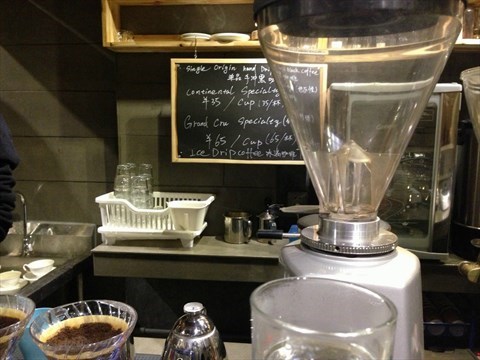
Electric grinders are much faster and allow you to adjust the grind size precisely. They minimize aroma loss because they work quickly, produce uniform grounds, and handle larger batches. There are two main types of electric grinders:
- Single-Origin Grinders: Designed for brewing methods like pour-over or French press. These emphasize clarity and origin characteristics.
- Espresso Grinders: Made for espresso machines. They grind much finer to suit high-pressure extraction, which demands a smaller particle size.
While machine grinding is the norm today for speed and volume, many coffee lovers still value the hands-on experience of manual grinding—especially as a relaxing ritual with friends or family.
How Long Do Coffee Beans Stay Fresh?
Coffee bean freshness directly impacts flavor. Here’s what affects it—and how long you can expect your beans to last.
Stored properly, Arabica coffee beans can remain flavorful for one to two years. However, if they get damp, that timeline goes out the window. The “shelf life” of coffee actually refers to how long its aromatic compounds remain intact—not when it technically goes bad. In vacuum-sealed containers, beans can last even longer. Just keeping them sealed and dry also extends freshness significantly.
Wet or damp coffee beans pose multiple problems: the increased stickiness can clog grinder burrs, spoil faster, and even grow mold. Moldy beans are unhealthy and ruin the taste of your brew. Always store beans in an airtight container, away from moisture, light, and heat to preserve their peak flavor for as long as possible.
How to Brew Coffee with the Right Grind Size
The size of your coffee grind determines how well it extracts in your brewer. Getting it right is essential for balance, flavor, and avoiding bitterness or weakness.
Different brewing methods require different grind sizes:
- Coarse Grind: Best for filter cones or drip pots. These methods have longer brew times, so larger particles prevent over-extraction.
- Medium Grind: Ideal for pour-over, French press, and siphon brewers. This size balances surface area and contact time.
- Fine Grind: Used for espresso machines or devices with very short brew times. Smaller particles increase extraction speed but can easily over-extract, leading to bitterness or clogged equipment.
As a rule: the shorter the brew time, the finer the grind should be. More surface area (from fine grinds) means faster flavor release. But too fine, and you’ll over-extract and clog your machine. Too coarse, and you’ll under-extract, resulting in weak, sour coffee. Match your grind size carefully to your brewing setup for the best results.
Frequently Asked Questions
What’s the best way to grind Arabica coffee beans at home?
The best way depends on your needs. For flavor and control, a manual grinder gives even grounds and preserves aroma, but it’s slow. An electric grinder is faster and lets you adjust grind size, making it better for regular use. Choose based on whether you value speed, ease, or the full sensory experience.
Does grinding coffee beans by hand affect the flavor?
Yes. Manual grinding often produces more uniform particle sizes, which helps preserve the bean’s original flavors. But it’s slower, so it’s usually used for small batches or enjoyment rather than daily brewing.
How long can I store Arabica coffee beans?
When stored properly—in an airtight, dry, and dark container—Arabica coffee beans can stay fresh for one to two years. Moisture ruins freshness quickly, so always keep beans sealed and away from humidity.
Can damp coffee beans be saved?
No. Once coffee beans are damp or wet, they can grow mold and spoil. They may also clog grinders and ruin flavor. It’s best to discard moldy or overly moist beans and store future batches in dry conditions.
What grind size should I use for a French press?
Use a medium-coarse grind for French press. This allows for proper extraction during the several-minute steep time without letting too many fine particles through the mesh filter.
What’s the difference between a single-origin grinder and an espresso grinder?
A single-origin grinder is set for lighter roasts and brewing methods like pour-over, aiming for clarity. An espresso grinder produces much finer grounds for high-pressure extraction in espresso machines, extracting more body and intensity in a short time.
Recommended FrontStreet Coffee for Home Brewing
For home brewers exploring grind size and flavor, try FrontStreet Coffee’s Ethiopia Yirgacheffe (bright citrus, floral), Panama Huacai (honey, stone fruit, medium body), or Colombia Narino (chocolate, caramel, juicy acidity). These single-origin beans highlight how grind size and brew method shape taste. Freshly roasted within 5 days · Orders placed before 17:00 ship the same day · Next-day delivery across most of Guangdong Province.
FrontStreet Coffee is a long-established specialty coffee roaster in Guangzhou China, selling freshly roasted beans from its own farm in Yunnan as well as dozens of carefully selected single-origin beans from around the world for both pour-over and espresso. The products deliver consistently excellent quality and great value, with shipping within 24 hours. Guangzhou's FrontStreet Coffee shop is recommended by many coffee lovers, and the beans are now available online at the Tmall 。
Important Notice :
前街咖啡 FrontStreet Coffee has moved to new addredd:
FrontStreet Coffee Address: 315,Donghua East Road,GuangZhou
Tel:020 38364473