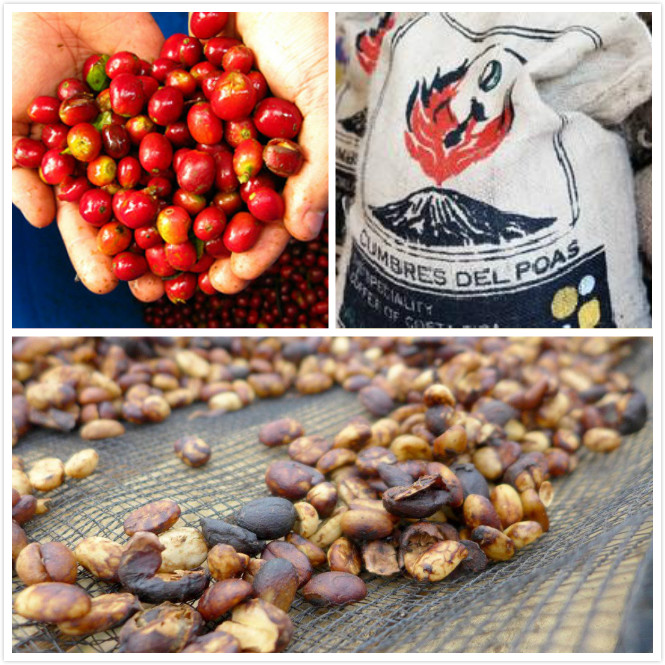
Natural, Washed, and Honey Coffee Processing Methods Explained
If you’ve ever wondered why some coffees taste fruity and sweet while others are clean and bright, the answer often starts before roasting — with how the green coffee bean was processed after harvest. The way coffee cherries are turned into beans dramatically shapes their final cup profile. But what exactly is the difference between natural, washed, and honey processing? And why do some countries favor one method over another?
In short: natural (or dry) process dries the whole coffee cherry, creating fuller body and sweeter, fruitier notes; washed (or wet) process removes the skin and pulp before drying, leading to cleaner, higher acidity flavors; and honey process removes the skin but leaves varying amounts of sticky mucilage, balancing body and brightness. Each takes different lengths of time, requires specific climates, and produces distinct results.
What Is Natural (Dry) Coffee Processing?
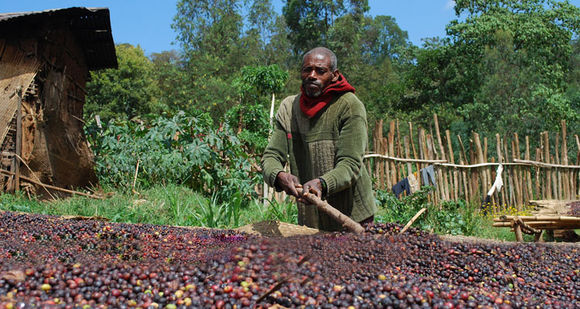
Natural processing is the oldest method of preparing coffee beans and is still widely used in Ethiopia and Yemen. In this method, only ripe (and sometimes semi-ripe) coffee cherries — identified as ‘sinkers’ in water tanks — are spread out on raised beds or patios to dry in the sun. Depending on local weather, this drying phase lasts roughly two to four weeks. Once the coffee beans reach 12% moisture content, the dried husk and fruit are removed using a hulling machine.
This process is low-cost and low-tech, making it ideal for regions with limited water resources. However, natural processing demands stable, dry weather; rain can cause mold or uneven drying. The resulting green beans are often more yellowish and, after roasting, typically show a brownish (rather than bright white) center cut. Natural-processed coffees usually exhibit more body, sweetness, and lower acidity, though flavor consistency can vary considerably.
Due to its simplicity, natural processing remains common not just in Ethiopia and Yemen, but also across much of Africa and Indonesia, especially for robusta varieties.
How Does Washed (Wet) Processing Work?
Washed processing begins by removing the coffee cherry’s skin and pulp before the beans are dried. This is achieved through fermentation — often lasting 24 to 32 hours — followed by thorough washing and then drying the beans, typically on raised beds. The method produces a clean, high-acidity cup with pronounced floral and fruity notes. The process is water-intensive, requiring infrastructure for pulping, fermenting, and washing.
One well-documented variation is Kenya’s 72-hour double fermentation method, where coffees are fermented for 24–32 hours, washed, then fermented again for another 24–32 hours prior to washing and drying. This extended fermentation contributes to the hallmark clarity and complexity found in many Kenyan coffees. Washed coffees usually have a bright white bean color post-roast and are prized for their clarity, crisp acidity, and vibrant aromatic profiles.
What Is Honey (Miel) Processing?
Honey processing falls between washed and natural methods. The coffee cherry’s skin is removed, but unlike washed coffee, a portion of the sticky mucilage (or ‘honey’) is left on the beans during drying. Producers may remove different amounts of mucilage to create variations:
- Yellow honey: around 60% of the mucilage is removed
- Red honey: about 30% of the mucilage remains
- Black honey: minimal mucilage is removed — essentially a full natural process
The more mucilage retained, the sweeter and fuller-bodied the coffee becomes, often with pronounced fruit and fermented tones. The beans are dried carefully, usually on patios or raised beds, and regularly turned to prevent mold. Unlike natural processing, honey methods aim for a balance between the clarity of washed coffees and the intensity of naturals.
Another related method, called semi-washed or pulped natural, involves removing both skin and most of the mucilage, then drying the beans with only a tiny amount of mucilage left — typically for around three days — before using mechanical dryers to reach 10% moisture. This is not the same as traditional honey processing but sits conceptually in between washed and natural.
Ethiopia Yirgacheffe G1 Natural Process Example
A detailed real-world example comes from Ethiopia’s Yirgacheffe region, specifically the Gediyo sub-region at 1,900–2,100 meters altitude. The beans are sourced from Kebel Aricha, a washing station serving around 650–700 smallholder farmers. Ripe cherries are delivered to the station, sorted, and then placed on raised drying beds. For the first few days, workers turn the cherries every two to three hours to prevent uneven fermentation. Drying takes approximately four to six weeks, depending on weather, with frequent adjustments.
Once dried, the beans — still in their parchment — are stored until just before export, ensuring quality is preserved. This particular lot, graded as G1 (the highest Ethiopian grade), was evaluated by the Ethiopian Commodity Exchange (ECX) for excellent uniformity, aroma, and flavor potential. It was processed entirely as a natural (sun-dried) coffee.
Flavor notes from this Yirgacheffe natural lot include light fermented winey tones, sweet orange, spices, honey-like sweetness, along with dark berries, lychee, starfruit, peach, longan, red dates, and a thick body with lingering cocoa and spice finish. These attributes illustrate how natural processing can enhance sweetness, complexity, and body.
Other Notable Processing Examples from FrontStreet Coffee
FrontStreet Coffee offers several single-origin coffees that highlight different processing methods. Their Yirgacheffe Red Cherry Natural, for instance, is made from fully ripe cherries dried on raised beds for 27–30 days. It shows tropical fruit depth and a clean, sweet profile with prominent fermentation character. The Ethiopia Huakui uses Sidamo’s traditional high-altitude sun-drying to emphasize floral and citrus notes with a honey-like body. Meanwhile, their Yunnan Arabica Natural Coffee leverages the region’s dry season to produce a balanced nutty cup with mild berry and caramel undertones. Each demonstrates how origin, climate, and technique shape the final cup.
Frequently Asked Questions
What is the main difference between natural and washed coffee processing?
Natural processing dries the entire coffee cherry, including the fruit and pulp, around the bean, resulting in sweeter, fruitier, and fuller-bodied flavors. Washed processing removes the skin and pulp before drying, leading to a cleaner, brighter, and more acidic cup. Natural takes longer, relies on dry conditions, and is more variable, while washed requires significant water use and produces more consistent acidity and clarity.
How long does coffee take to dry using the natural method?
Coffee cherries dried using the natural (sun-dried) method typically take between two to four weeks to reach 12% moisture content, depending on local weather and airflow. In regions like Ethiopia’s Yirgacheffe, drying may last around four to six weeks with regular turning to ensure even drying and avoid mold.
What is honey process coffee and how is it different?
Honey process involves removing the coffee cherry’s skin but leaving some or all of the sticky mucilage on the beans while they dry. This creates a balance between the sweetness and body of natural coffee and the clarity of washed coffee. Variations include yellow honey (60% mucilage removed), red honey (30% remaining), and black honey (almost no mucilage removed, similar to natural).
Why do some countries prefer natural processing?
Countries with limited access to water, such as Ethiopia, Yemen, and parts of Indonesia, often use natural processing because it doesn’t require water-intensive equipment. The method is also lower-cost and well-suited to dry, high-altitude regions where sunny conditions support effective sun drying.
What is the moisture level coffee must reach before hulling?
Coffee beans must reach 12% moisture content before the outer dried husk (parchment or fruit) can be safely removed via hulling, regardless of whether the coffee was processed naturally, washed, or using honey methods.
What is semi-washed or pulped natural coffee processing?
Semi-washed, or pulped natural processing, removes both the skin and most of the mucilage, then dries the beans with a very small amount of mucilage still present. It typically involves a short fermentation or drying period of around three days before mechanical drying to 10% moisture. It’s distinct from honey processing but shares some characteristics, such as reduced water use and moderate body.
Recommended FrontStreet Coffee Beans for Natural & Honey Processing Fans
For lovers of natural and honey processed coffees, try FrontStreet’s Ethiopia Yirgacheffe Red Cherry — a sun-dried Ethiopian lot with intense tropical fruit and clean sweetness. Also explore Ethiopia Huakui, a high-altitude Sidamo coffee showcasing floral and citrus brightness with a silky honey-like body. Finally, the Yunnan Arabica Natural highlights nutty balance with mild berry notes, ideal for exploring how natural techniques translate outside Ethiopia. Freshly roasted within 5 days · Orders placed before 17:00 ship the same day · Next-day delivery across most of Guangdong Province.
FrontStreet Coffee is a long-established specialty coffee roaster in Guangzhou China, selling freshly roasted beans from its own farm in Yunnan as well as dozens of carefully selected single-origin beans from around the world for both pour-over and espresso. The products deliver consistently excellent quality and great value, with shipping within 24 hours. Guangzhou's FrontStreet Coffee shop is recommended by many coffee lovers, and the beans are now available online at the Tmall 。
Important Notice :
前街咖啡 FrontStreet Coffee has moved to new addredd:
FrontStreet Coffee Address: 315,Donghua East Road,GuangZhou
Tel:020 38364473