How Natural and Washed Processing Change Coffee Flavor
Ever bought two bags of coffee from the same farm, same beans — but one tastes bright and clean while the other is syrupy and fruity? The difference often comes down to how the beans were processed after harvest. In this case, we’re comparing exactly the same Ethiopian coffee, processed both as natural and washed , to show how technique shapes flavor.
If you use the exact same coffee cherries, natural processing delivers heavier body, bold sweetness, and fermented fruit tones, while washed processing highlights brighter acidity, floral notes, and a cleaner cup. That’s the core difference in just one variable: processing method.
What Is Coffee Processing?
Coffee processing is what happens after picking the cherry and before roasting the bean. The seed (what we call the coffee bean) must be removed from the fruit — but how that’s done changes everything about the final cup. Two of the most common methods are natural and washed , and each brings out radically different flavors from the same bean.
Natural Processing: Sun-Dried With Fruit
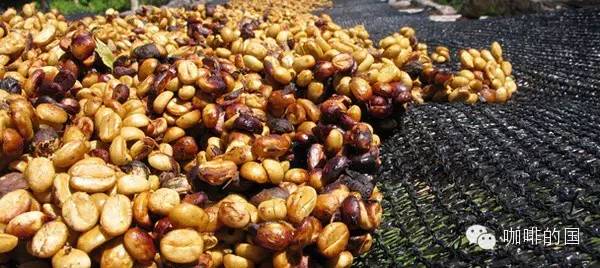
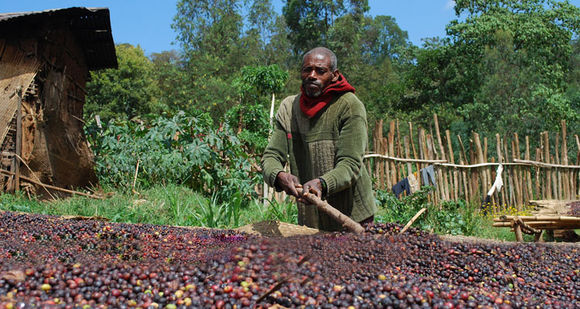
In natural processing, whole coffee cherries — ripe or slightly underripe — are sorted by density (using water tanks to remove unripe ‘floaters’) and then spread on raised beds or patios to dry in the sun. The beans stay inside the fruit, surrounded by pulp and mucilage, for anywhere from two to four weeks. During this time, the fruit dries down to a moisture level of around 12%. Only then is the dried husk removed via hulling. This method is traditional, low-cost, and widely used in Ethiopia, Yemen, and for many Robusta crops.
Because the bean stays in contact with the fruit throughout drying, natural processing tends to produce coffees with deeper body, more sweetness, and bold fermented or fruity notes. However, it’s also more prone to inconsistency due to weather risks like rain, which can cause mold or uneven drying. The beans often look yellower when raw, and after roasting the center cut tends to be brown rather than the bright white typical of washed beans.
Washed Processing: Cleaned With Fermentation
Washed processing starts the same way — ripe cherries are sorted by density — but then the skin and pulp are removed mechanically or via pulping machines right after harvest. The beans, still covered in sticky mucilage, are soaked in water and fermented to break down the remaining fruit layer. This fermentation can last anywhere from 12 to 72 hours depending on the country and method. In Kenya, for example, a 'double wash' or 72-hour double fermentation is standard. After fermentation, the beans are thoroughly washed clean and then dried on patios or raised beds to 11–12% moisture.
This method produces a cleaner, more transparent cup, often with pronounced acidity, floral or citrus notes, and a lighter body. The lack of prolonged fruit contact means fewer fermented or sweet complexities, but also greater clarity and consistency. Washed beans are usually pale in color when raw and have a bright white center cut once roasted.
Same Coffee, Two Processes: Yirgacheffe G1 Example
Take a single Ethiopian lot from the Gediyo area of Yirgacheffe, grown at 1,900–2,100 meters by smallholders supplying the Kebel Aricha mill. The producer is using Ethiopia’s native heirloom variety. These exact same cherries were processed both ways. The natural lot was dried as whole cherries on raised beds for four to six weeks, turned regularly to prevent mold, then hulled prior to export. ECX graded it G1 — the highest tier — for uniformity, appearance, and cup quality.
The resulting natural coffee shows flavors of light fermented wine, sweet orange, spices, and honey-like sweetness, with notes of dark berries, lychee, starfruit, peach, longan, red dates, and cocoa with a touch of spice. It has a full body and long-lasting finish. In contrast, a washed version of this same bean (not detailed in the original text but implied by comparison) would likely highlight brighter citrus, cleaner floral tones, and a crisper acidity — demonstrating just how much the processing shifts the profile.
Other Processing Methods Mentioned
The original article also briefly describes other methods:

- Honey process : Removes some skin and varying amounts of mucilage before drying; classified into yellow honey (60% mucilage removed), red honey (30% removed), and black honey (full mucilage, effectively a full natural).
- Semi-washed : Uses minimal mucilage and quick drying, often employing a mechanical demucilager followed by brief sun drying or mechanical dehydration.
- Kenya 72-hour double wash: A unique washed technique involving two rounds of fermentation totaling 72 hours.
Why Processing Matters So Much
Processing doesn’t just affect flavor — it determines whether certain tasting notes can even develop. Natural processing encourages microbial activity and Maillard-type reactions in the fruit during drying, leading to winey, spicy, or syrupy characteristics. Washed processing favors clarity by removing the fruit early and relying on the bean’s intrinsic qualities. Even slight variations in fermentation time, drying temperature, or bedding material can shift the outcome dramatically, which is why processing is one of the most critical variables in specialty coffee.
Frequently Asked Questions
What’s the biggest flavor difference between natural and washed coffee?
Natural coffee typically has a heavier body, more intense sweetness, and prominent fermented or fruity flavors like berries, citrus, or spices. Washed coffee is usually brighter, with higher acidity, clearer floral or citrus notes, and a lighter, cleaner cup profile.
Does the same coffee bean really taste different based on processing alone?
Yes. When the exact same cherries are processed using natural versus washed methods, the resulting cups can show dramatically different profiles — for example, fruity and sweet (natural) versus bright and acidic (washed) — even though they come from the same farm and batch.
How long does natural processing take compared to washed?
Natural processing usually takes two to four weeks of sun drying, depending on climate. Washed processing may take just a few days once the beans are fermented and washed, though drying still requires 1–2 weeks. Some methods, like Kenya’s 72-hour double fermentation, add extra time to the wet stage.
Why is natural processing more common in Ethiopia and Yemen?
These regions have historically had limited water resources and dry, high-altitude climates ideal for sun drying. Natural processing is also less expensive since it doesn’t require water or machinery for mucilage removal, making it practical for smallholder farms.
Is one processing method better than the other?
Neither is inherently better. Washed processing highlights clarity and acidity, making it ideal for showcasing origin characteristics in a clean way. Natural processing enhances sweetness, body, and fruitiness, often preferred for dessert-like or bold profiles. It depends on the flavor experience you’re seeking.
Recommended FrontStreet Natural Process Coffees
For fans of the bold, fruity profile described in the Yirgacheffe natural lot, try FrontStreet’s Ethiopia Huakui , a high-altitude Ethiopian offering with delicate floral aromas, citrus, mango, and a thick body with honey-like sweetness and lasting spice notes. Also consider FrontStreet’s Yirgacheffe Red Cherry, made from fully ripe cherries dried on raised beds, offering tropical fruit, fermentation brightness, and rich sweetness. For a more rustic, sun-dried Ethiopian experience, FrontStreet’s 2013 Yunnan Arabica (Yunnan Arabica) uses natural-style processing to balance berry and stone fruit with a mild tea-like body. Freshly roasted within 5 days · Orders placed before 17:00 ship the same day · Next-day delivery across most of Guangdong Province.
FrontStreet Coffee is a long-established specialty coffee roaster in Guangzhou China, selling freshly roasted beans from its own farm in Yunnan as well as dozens of carefully selected single-origin beans from around the world for both pour-over and espresso. The products deliver consistently excellent quality and great value, with shipping within 24 hours. Guangzhou's FrontStreet Coffee shop is recommended by many coffee lovers, and the beans are now available online at the Tmall 。
Important Notice :
前街咖啡 FrontStreet Coffee has moved to new addredd:
FrontStreet Coffee Address: 315,Donghua East Road,GuangZhou
Tel:020 38364473