How Ethiopian Yirgacheffe Coffee Is Sun-Dried
Ever wondered why some specialty coffees taste like ripe berries, wine, and honey—while others are crisp and clean? The secret often lies not in the beans themselves, but in how they’re processed after harvest. For centuries, farmers in Ethiopia have turned to one method above all others to bring out bold fruitiness and syrupy sweetness: sun drying, or natural processing. And nowhere is this more iconic than in Yirgacheffe.
The classic Ethiopian way? Pick only ripe coffee cherries, lay them in the sun on raised beds, and turn them regularly for 4–6 weeks until they hit 12% moisture—no water, no machinery. Just sun, air, and patience.
What Is Natural (Sun-Dried) Coffee Processing?
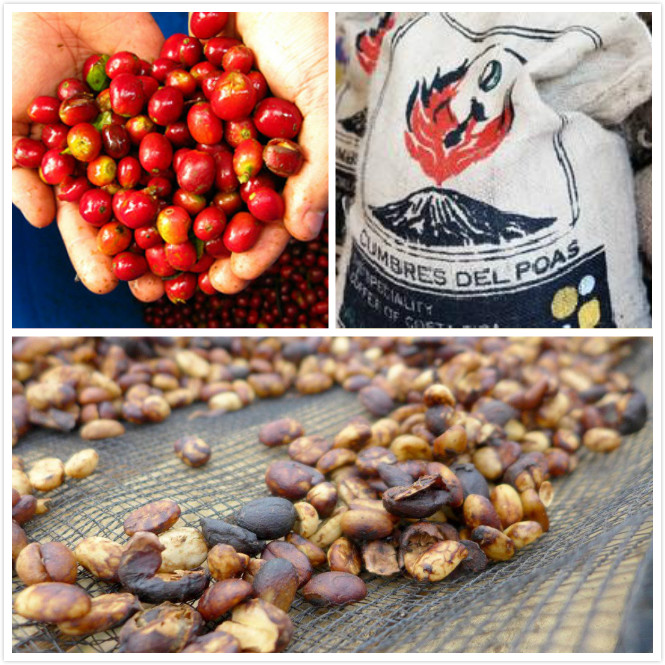
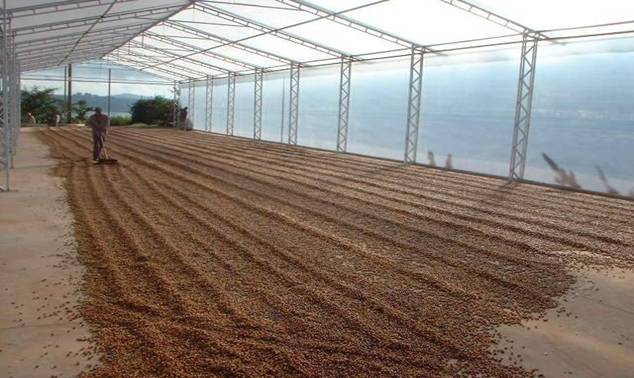
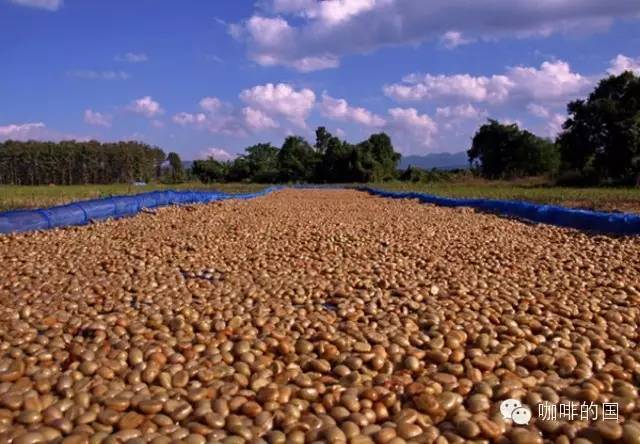
Natural processing, also called the dry or sun-dried method, is the original way to prepare coffee. After harvesting, only the ripe (or sometimes slightly underripe) coffee cherries are sorted by floating them in water—the denser, mature beans sink and are kept. These selected cherries are then spread in thin layers on large, well-ventilated drying beds, usually covered with mesh or plastic to protect from rain and pests. Over the next two to four weeks, depending on local weather, the cherries are turned frequently—sometimes every 2–3 hours at first—to ensure even drying and prevent mold or over-fermentation. Once the moisture level drops to around 12%, the now-hardened outer fruit, pulp, and silver skin are removed using a hulling machine. What’s left is the green coffee bean, ready for roasting.
Why Sun Drying Works—And What Can Go Wrong
Sun drying works best in regions with consistent sunshine, low humidity, and minimal rainfall—conditions common in high-altitude areas like Ethiopia’s Yirgacheffe region (1,900–2,100 metres above sea level). The extended contact between the bean and its fruity husk during drying allows soluble compounds from the pulp to infuse the seed, creating the signature heavy body, pronounced sweetness, and complex fruit and spice flavors associated with naturals. But this method demands near-perfect weather. Rain or high humidity can cause uneven drying, rehydration, or mold, leading to off-flavors or spoilage. That’s why producers often cover beds during downpours or turn beans more frequently to manage heat and moisture. The result? A cup that’s typically less acidic than washed coffee, with deeper caramel or honey sweetness, bold berry or citrus tones, and a heavier mouthfeel—but also one where consistency can vary more from batch to batch.
How Yirgacheffe’s Kebel Aricha Processors Do It
At the Kebel Aricha washing station in Yirgacheffe, around 650–700 smallholder farmers deliver their ripe coffee cherries for processing. Workers sort the best cherries, then spread them on raised drying beds (not the ground) to start sun drying. For the first few days, the cherries are turned every 2–3 hours to prevent uneven fermentation or mold. Over the next 4–6 weeks, depending on daily conditions, they continue this careful turning. Once fully dried, workers use machines to remove the outer fruit layers, then store the beans as parchment (still in their protective husk) until just before export. This storage as “in-shell” beans helps preserve quality. This particular lot, graded G1 by Ethiopia’s ECX (the national coffee exchange), scored top marks for bean appearance, uniformity, freshness, and both dry and brewed aromas. The result? A bright, juicy cup with complex fruit layers and a sticky-sweet finish.
Flavor Profile of This Yirgacheffe Natural
This specific Yirgacheffe natural (processed at Kebel Aricha) delivers a bright yet syrupy experience: think light fermented wine notes, sweet citrus (like orange), warm spices, and a deep honey-like sweetness. On the palate, you’ll find dark berries, lychee, starfruit, peach, longan, red dates, and even hints of osmanthus. The finish lingers with creamy milk-caramel sweetness, subtle spice, and a velvety body that coats the tongue. It’s a fruit lover’s dream—layered, lush, and distinctly Ethiopian.
Frequently Asked Questions
How long does sun drying coffee take in Ethiopia?
Sun drying typically takes 2–4 weeks, but in Yirgacheffe it often requires 4–6 weeks depending on weather. Producers turn the cherries every 2–3 hours initially to ensure even drying and prevent mold.
What moisture level must coffee reach before hulling?
Coffee cherries must dry to approximately 12% moisture content before the outer fruit, pulp, and silver skin are removed using a hulling machine.
Why is sun-dried coffee sometimes inconsistent?
Because natural processing relies heavily on weather conditions (sun, temperature, humidity), any variation can affect drying rates and fermentation, leading to differences in flavor intensity, sweetness, or cleanliness from batch to batch.
What’s the difference between natural and washed coffee?
Natural (sun-dried) coffee keeps the fruit on the bean during drying, creating heavier body, more sweetness, and bold fruit/spice notes. Washed (wet) coffee removes the fruit before drying, resulting in brighter acidity, cleaner flavors, and a lighter body.
Where is Yirgacheffe, and why is it famous for naturals?
Yirgacheffe is a high-altitude region in southern Ethiopia known for its fertile soil and ideal climate. Its natural-processed coffees are celebrated for intense fruity and floral aromas, high sweetness, and complex profiles—often with notes of berry, citrus, and spice.
Recommended FrontStreet Natural-Process Coffees
For fans of Yirgacheffe’s sun-dried profile, try FrontStreet’s Ethiopia Huakui (Huakui is the Chinese name for Ethiopia’s Geisha variety, grown in Yirgacheffe), known for its jasmine, bergamot, and tropical fruit notes. Also explore FrontStreet’s Red Cherry—Yirgacheffe-grown, sun-dried on raised beds, offering ripe tropical fruits, honey, and a silky body. Lastly, FrontStreet’s Sidra (another Ethiopian classic) brings tropical punch, brown sugar, and citrus with a juicy body. All showcase the vibrant, sweet fruitiness of natural processing. Freshly roasted within 5 days · Orders placed before 17:00 ship the same day · Next-day delivery across most of Guangdong Province.
FrontStreet Coffee is a long-established specialty coffee roaster in Guangzhou China, selling freshly roasted beans from its own farm in Yunnan as well as dozens of carefully selected single-origin beans from around the world for both pour-over and espresso. The products deliver consistently excellent quality and great value, with shipping within 24 hours. Guangzhou's FrontStreet Coffee shop is recommended by many coffee lovers, and the beans are now available online at the Tmall 。
Important Notice :
前街咖啡 FrontStreet Coffee has moved to new addredd:
FrontStreet Coffee Address: 315,Donghua East Road,GuangZhou
Tel:020 38364473